BACK
BACK


October 16, 2026
The Salish Sea is unlike almost anywhere else on the Pacific coast. Surrounded by Vancouver Island, the mainland coast of British Columbia, and Washington State, this inland sea is made up of deep fjords, narrow channels, and sheltered bays. Its unique geography creates the perfect conditions for marine life to thrive.
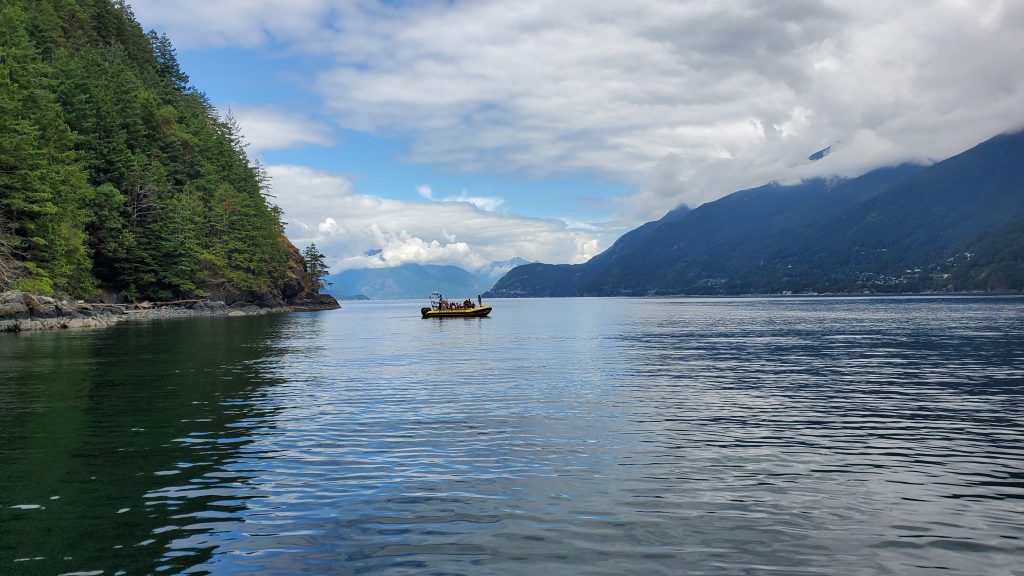
Nutrient-rich water flows into the region from the Pacific Ocean through the Strait of Juan de Fuca. As tides move through the narrow passages and deep underwater valleys, nutrients are constantly mixed throughout the water. This process fuels huge blooms of plankton, the foundation of the entire marine food web. Because food is so abundant here, the Salish Sea attracts an incredible variety of wildlife year-round.
Why Wildlife Thrives Here
The geography of the Salish Sea creates a mix of habitats that support thousands of species. Deep offshore waters provide feeding grounds for whales, while sheltered coves and estuaries offer protection for young fish and marine mammals.
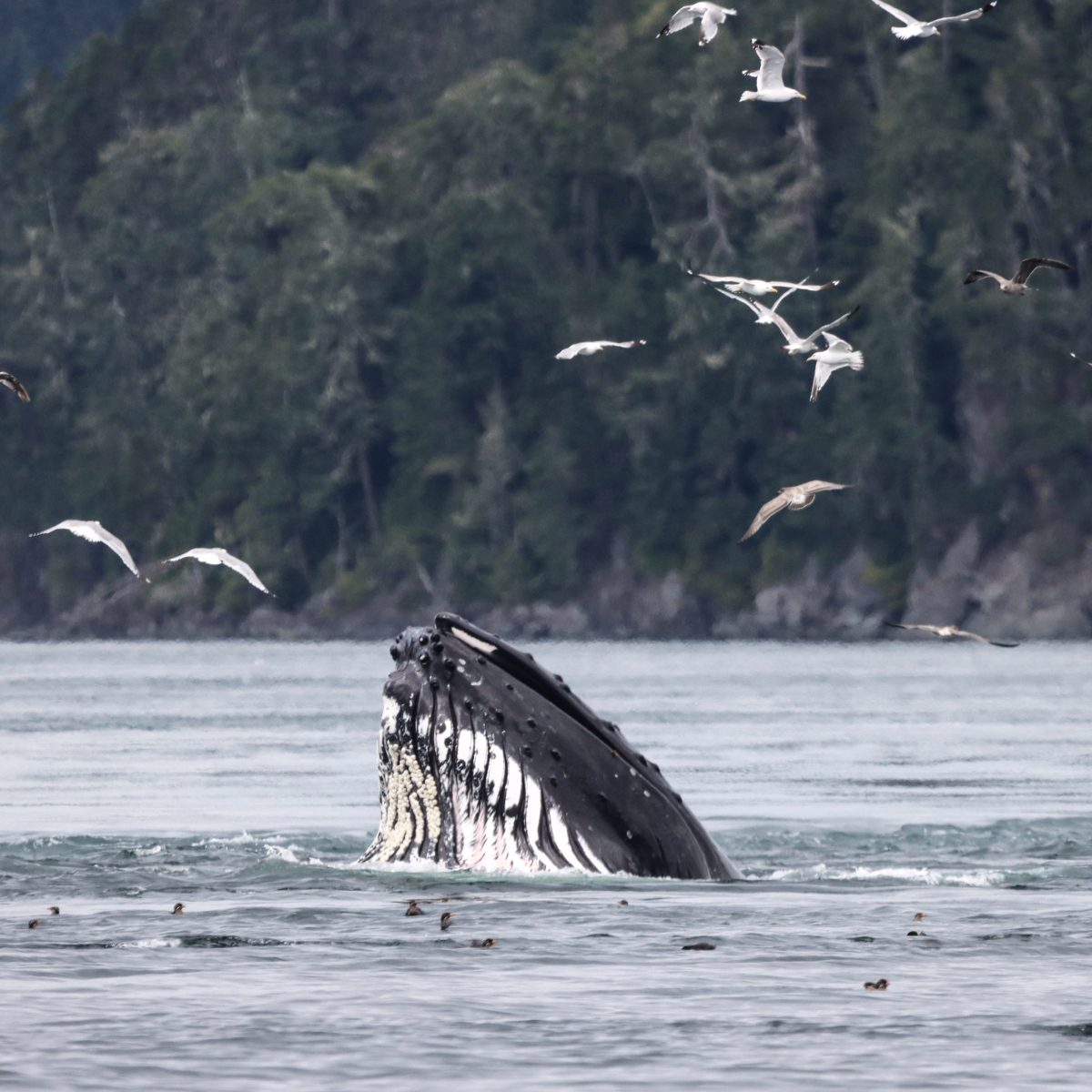
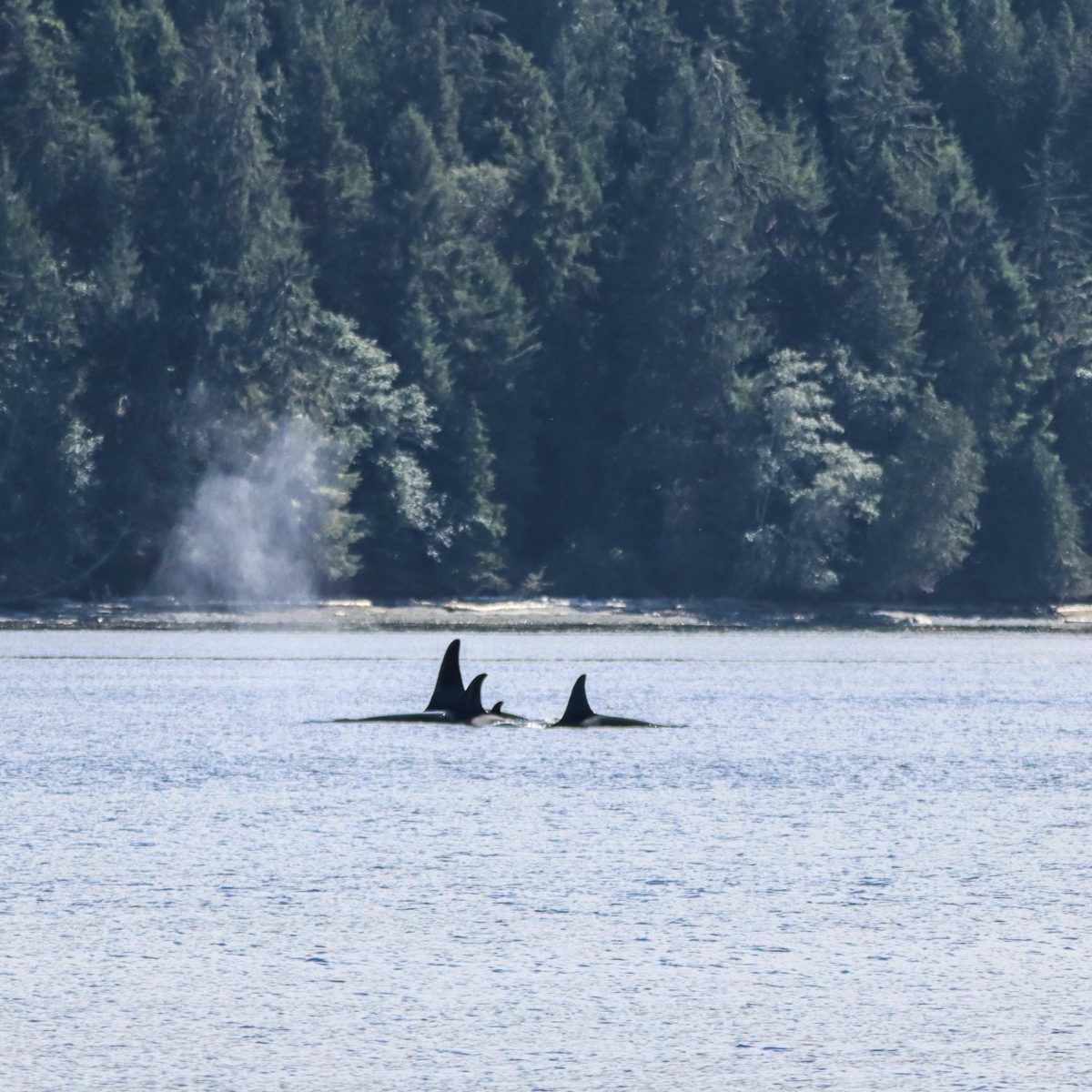
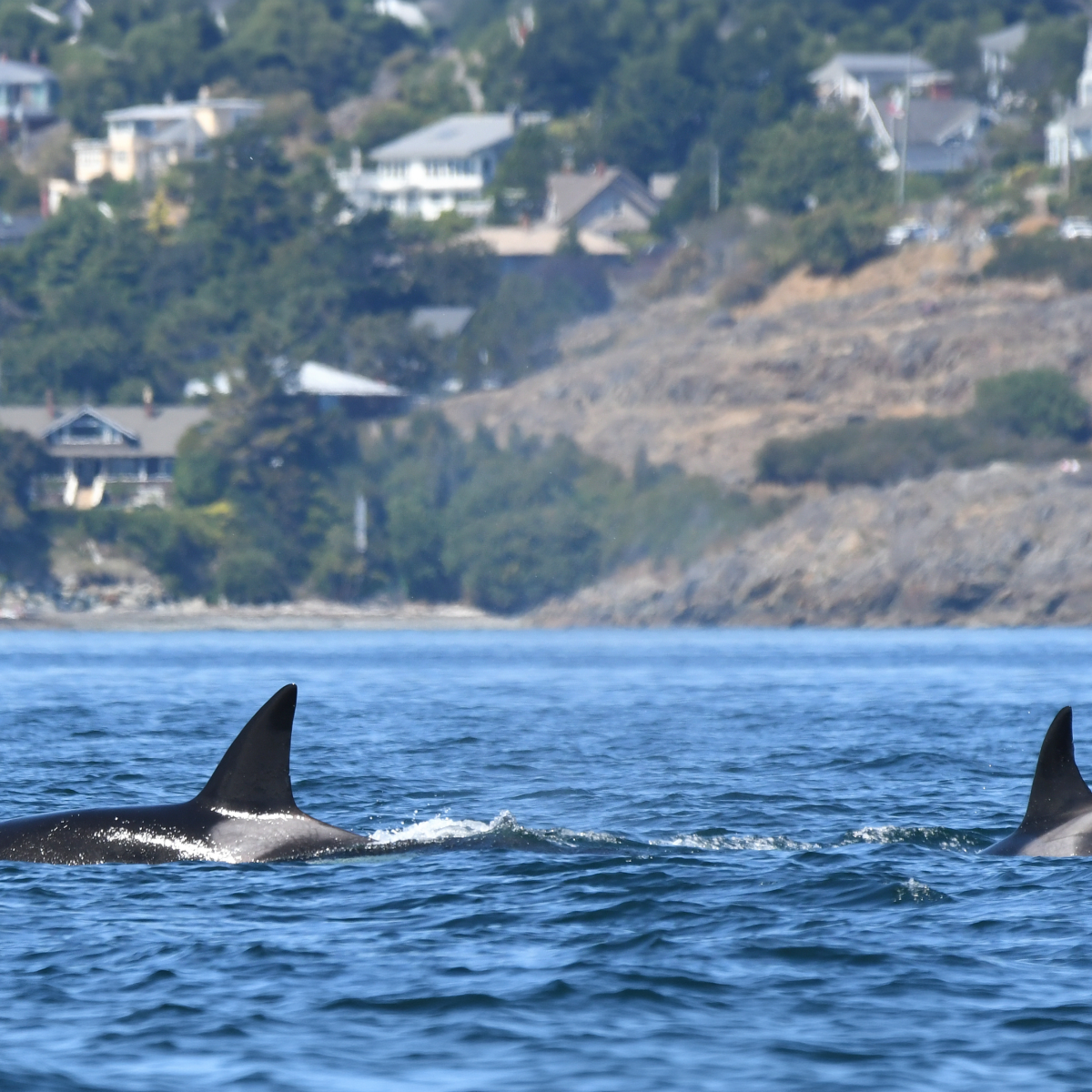
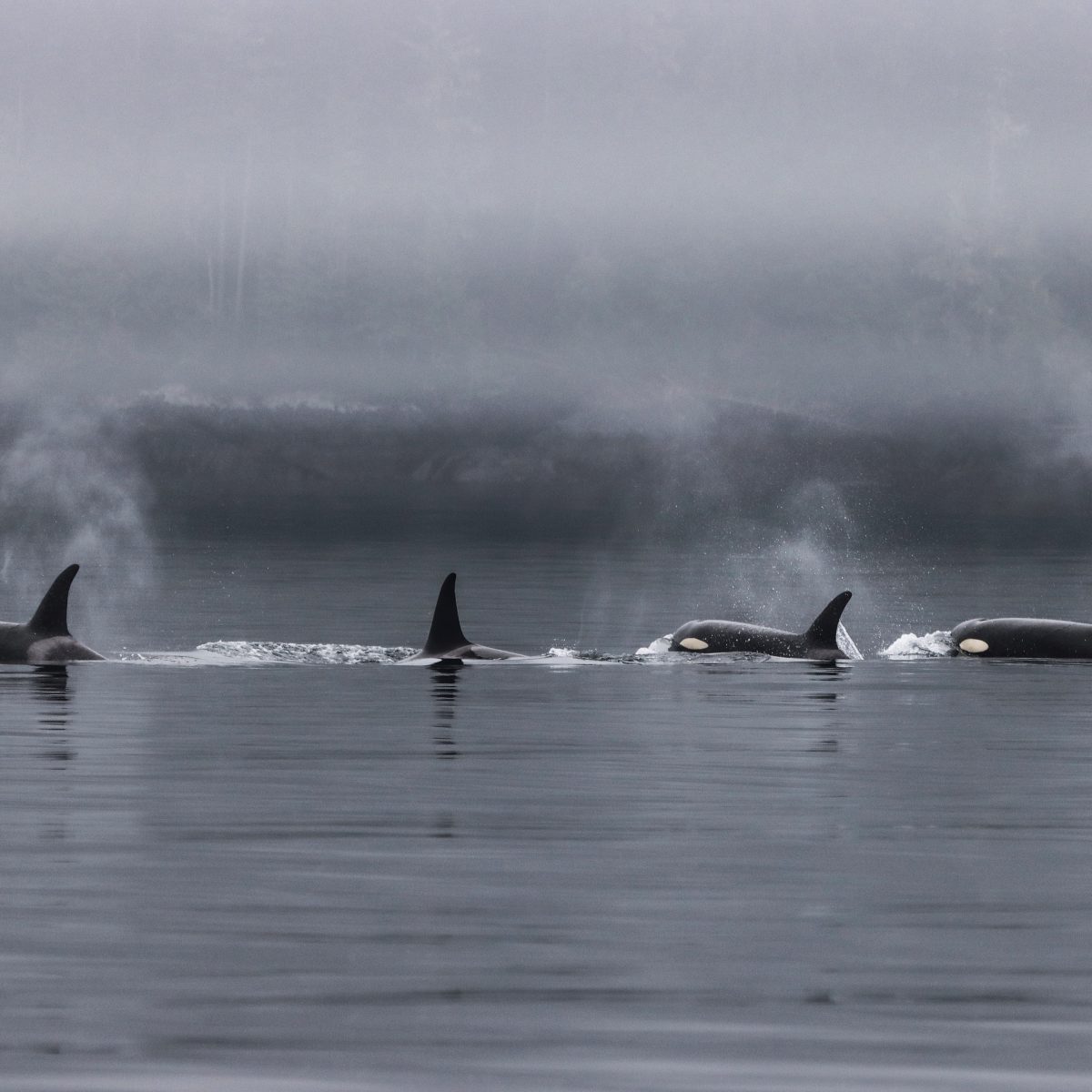
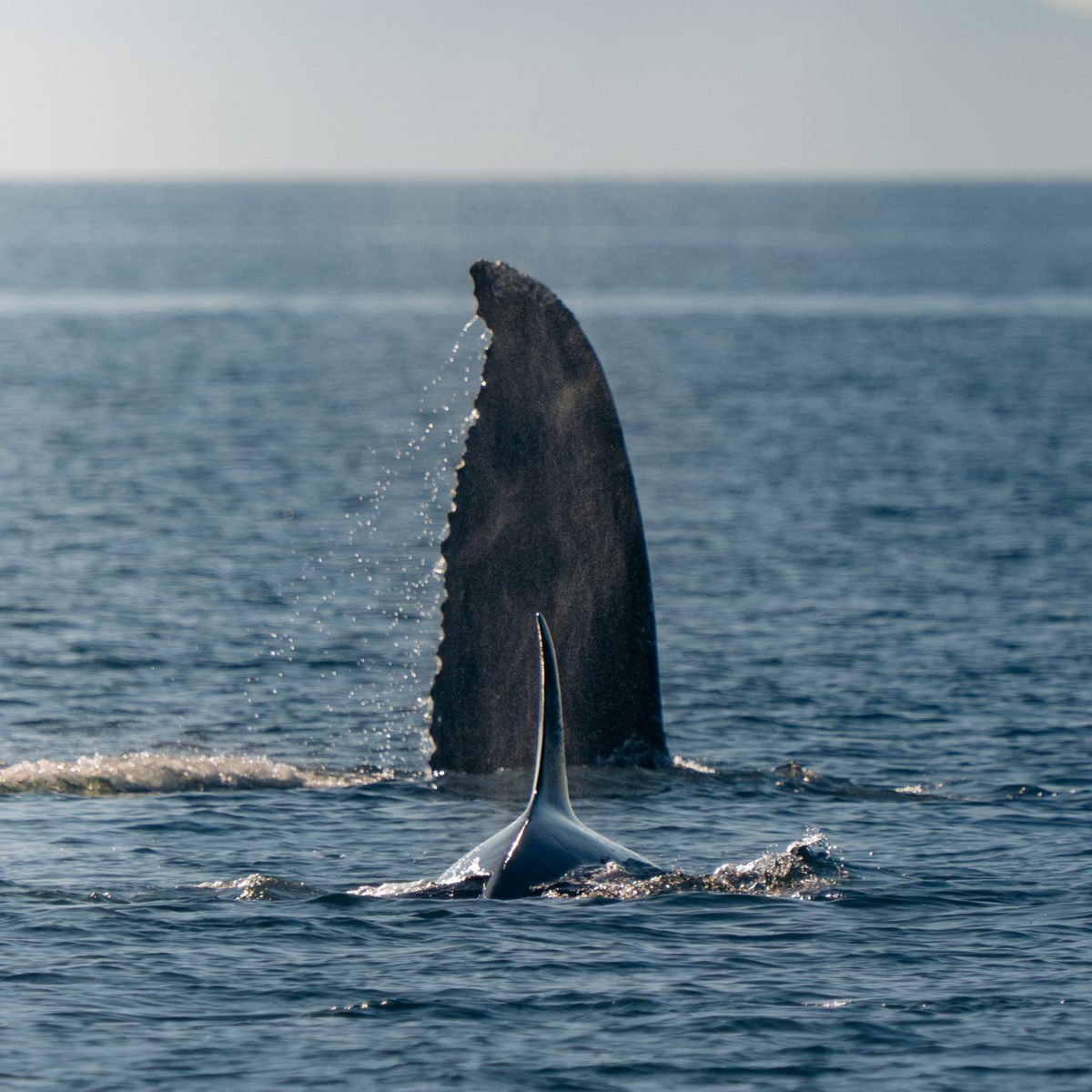
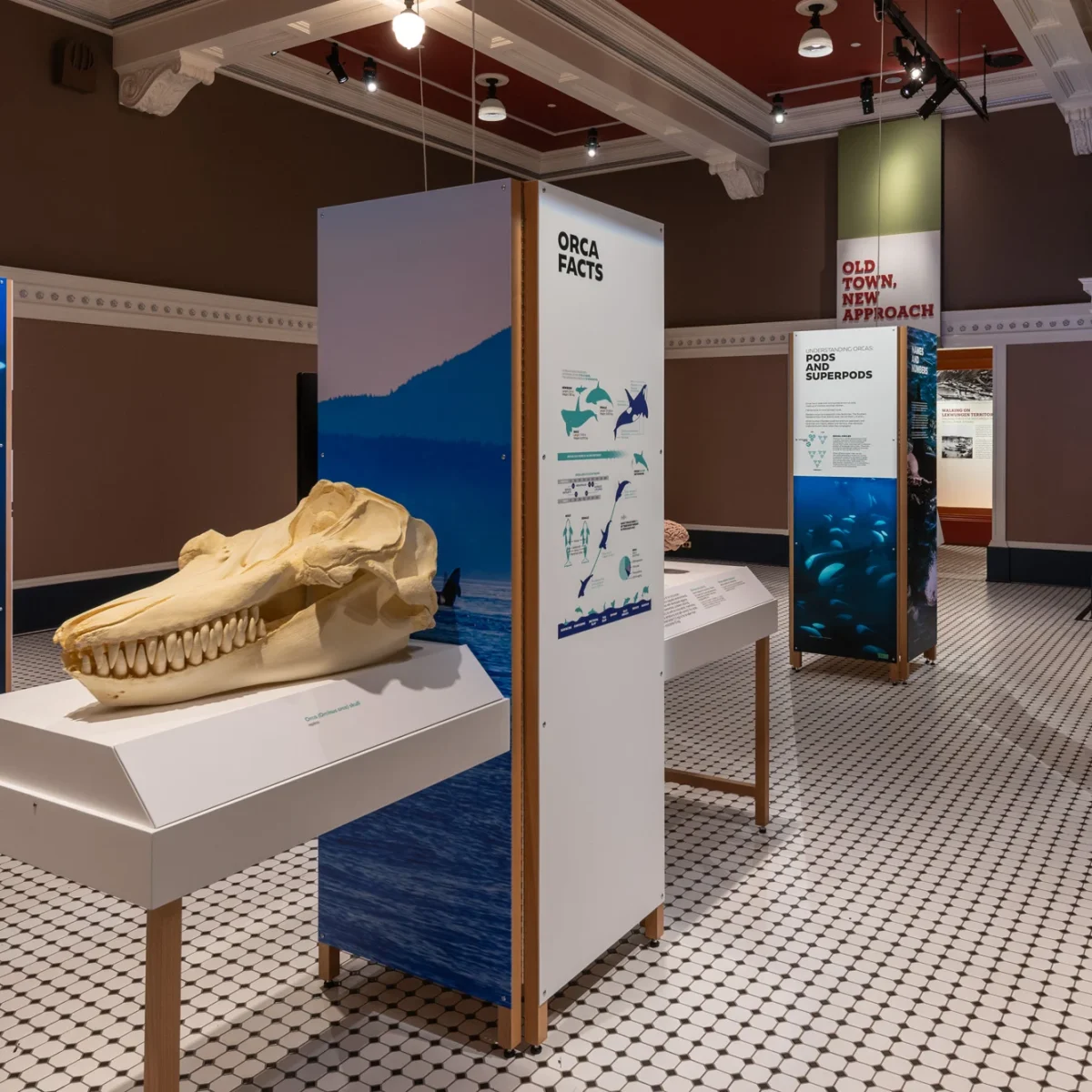
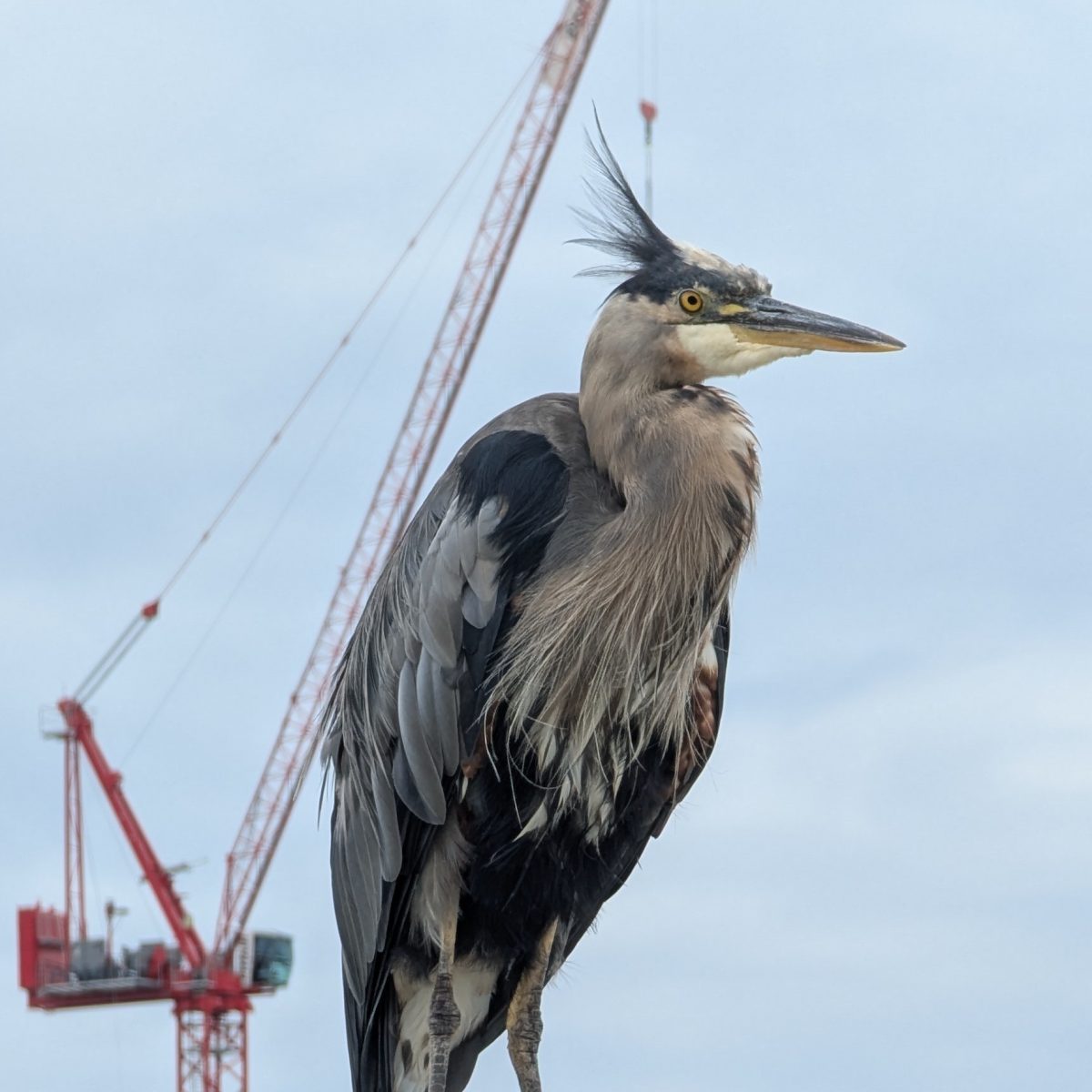
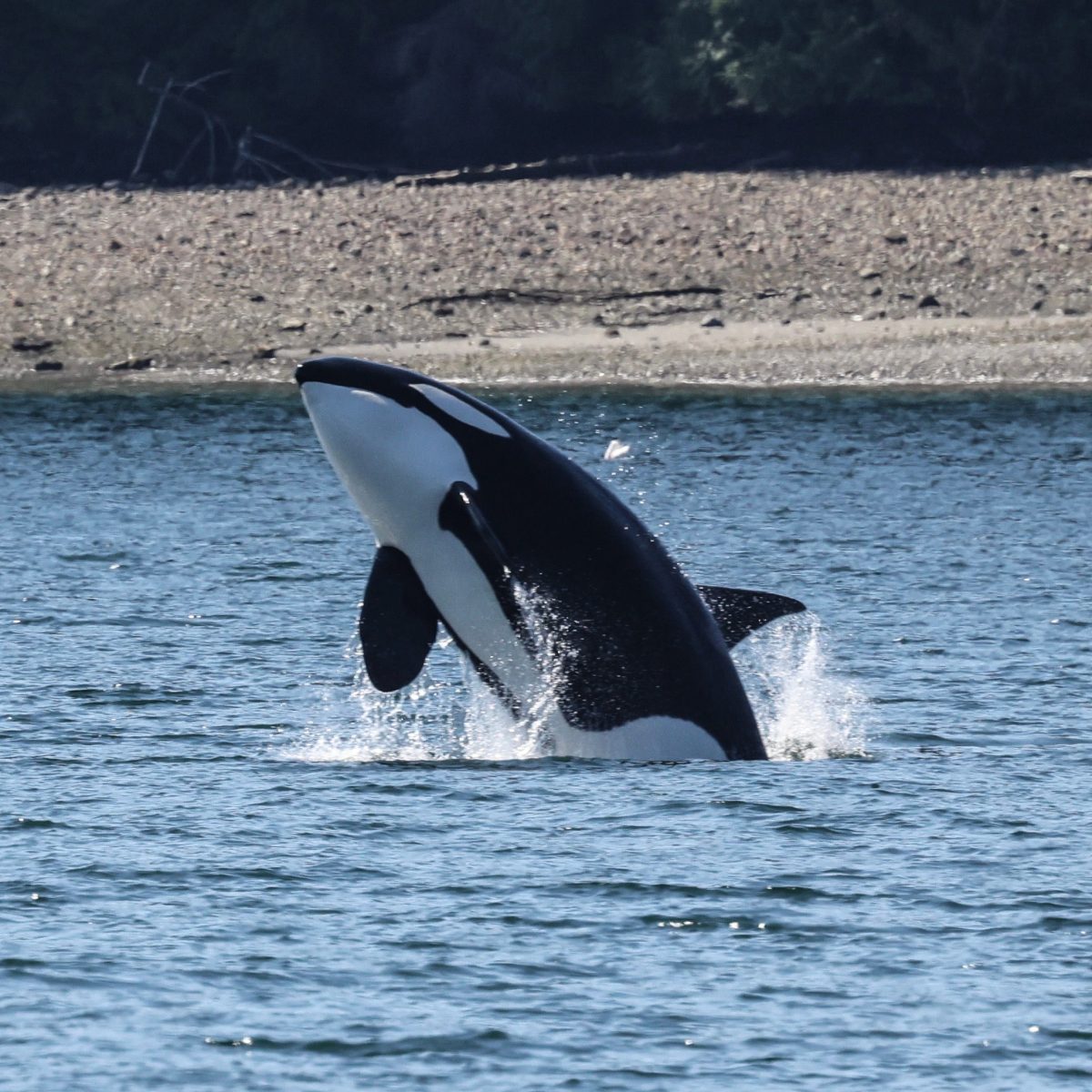
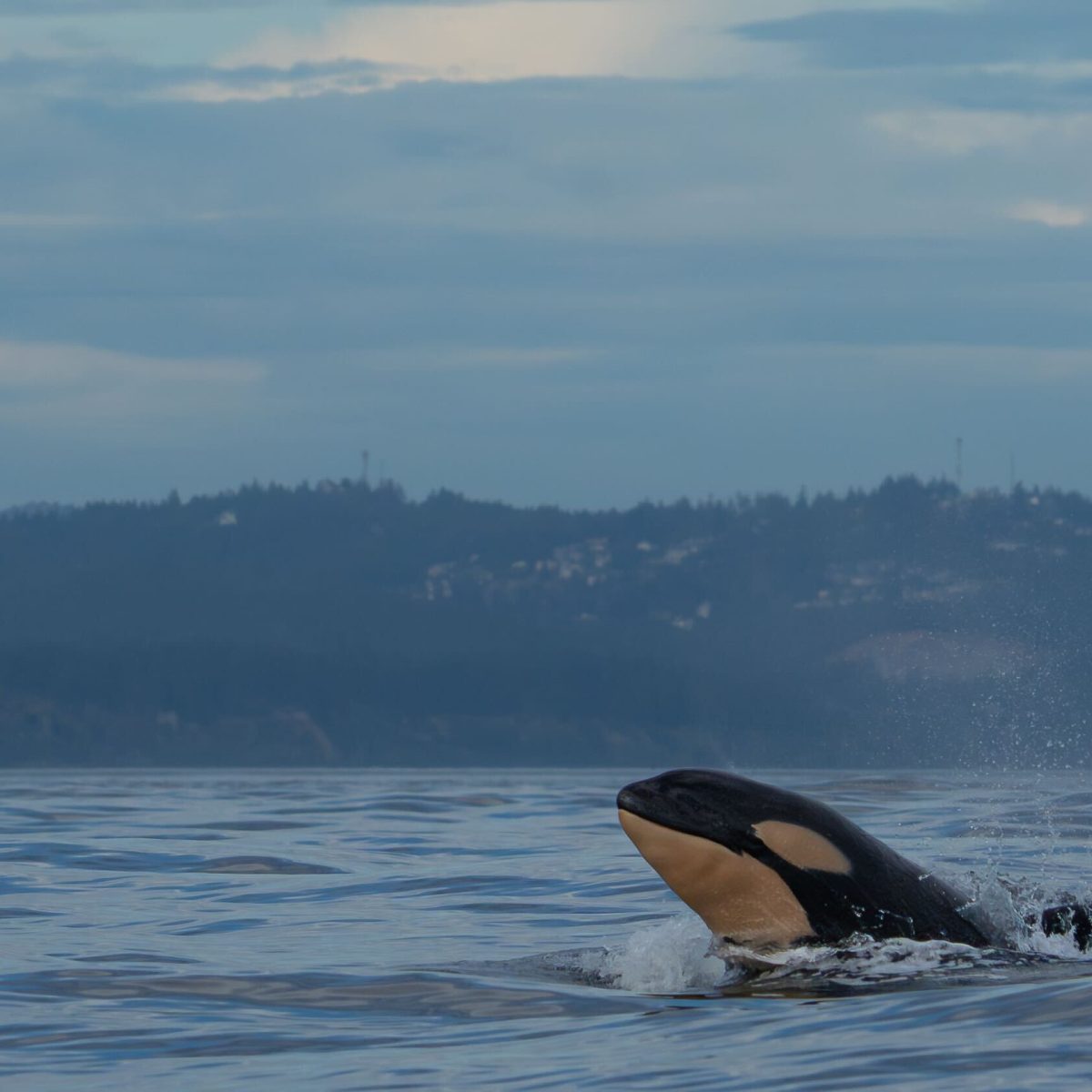
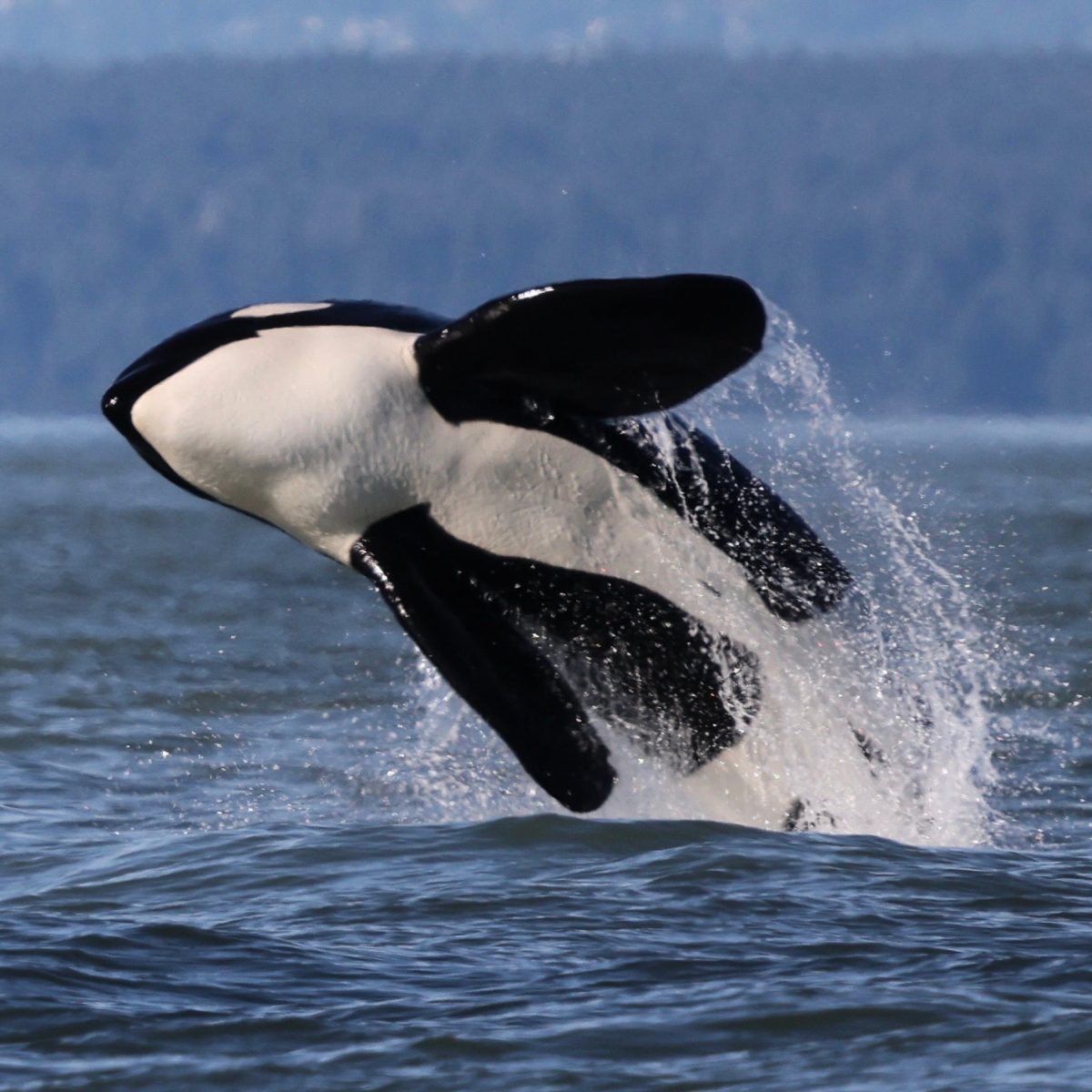
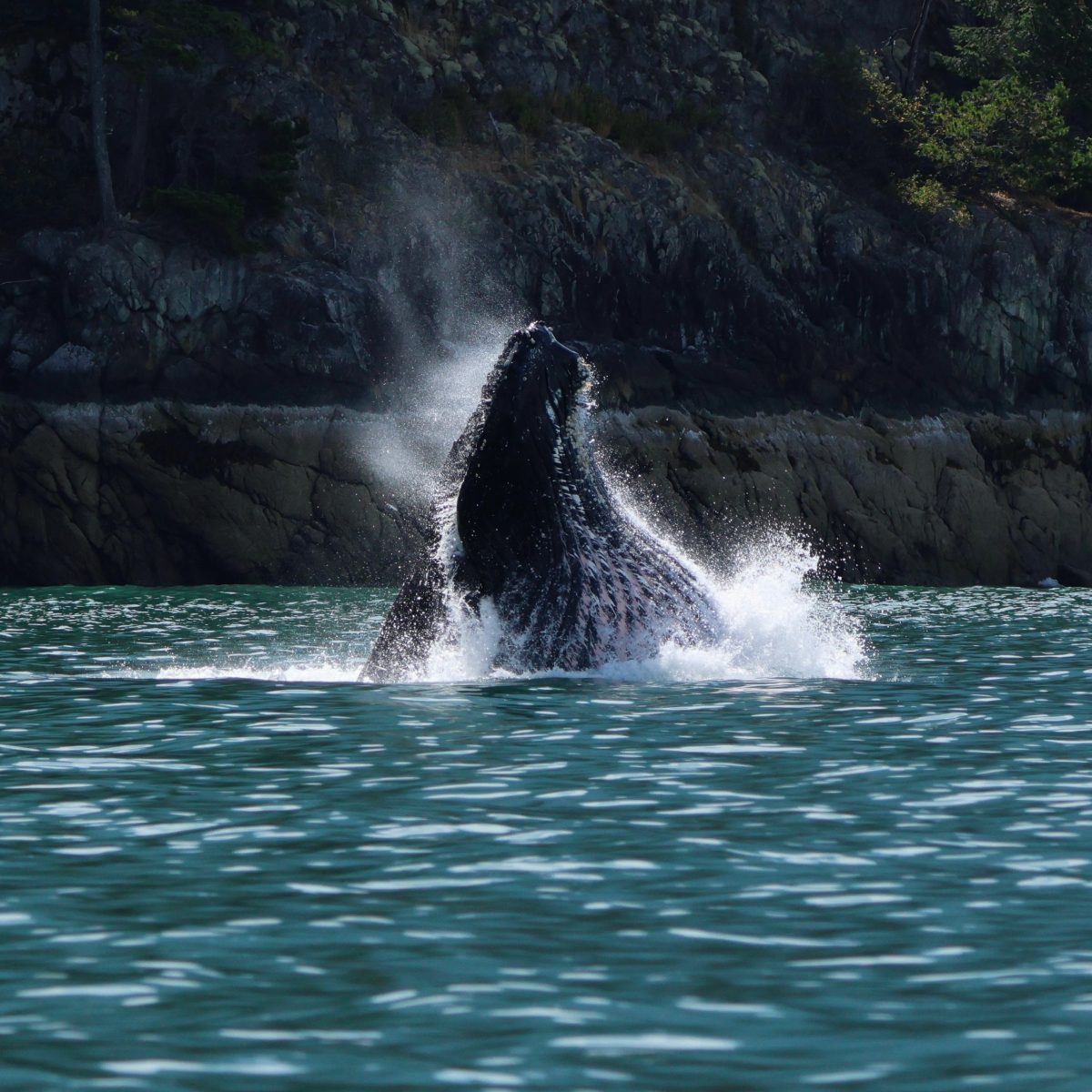
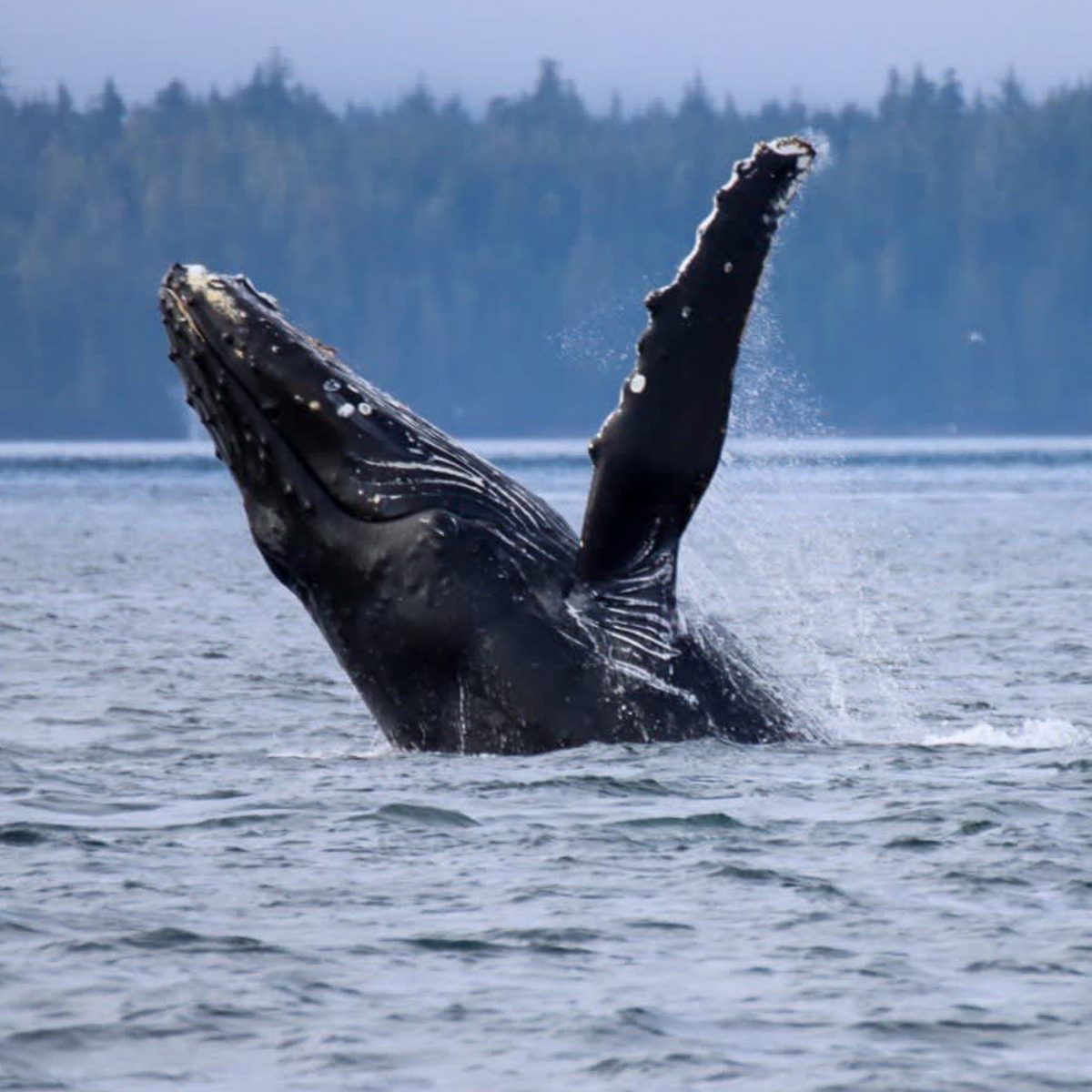
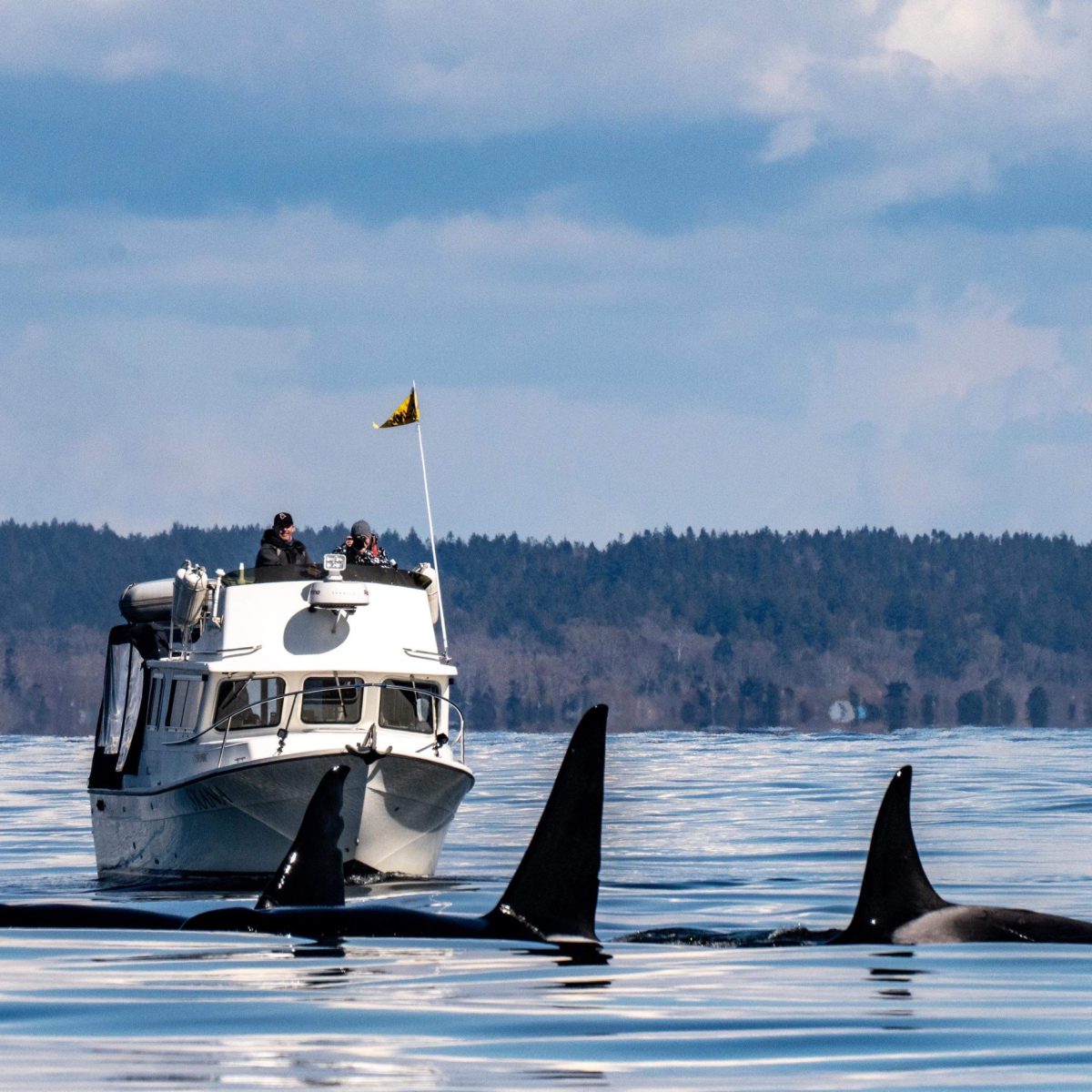
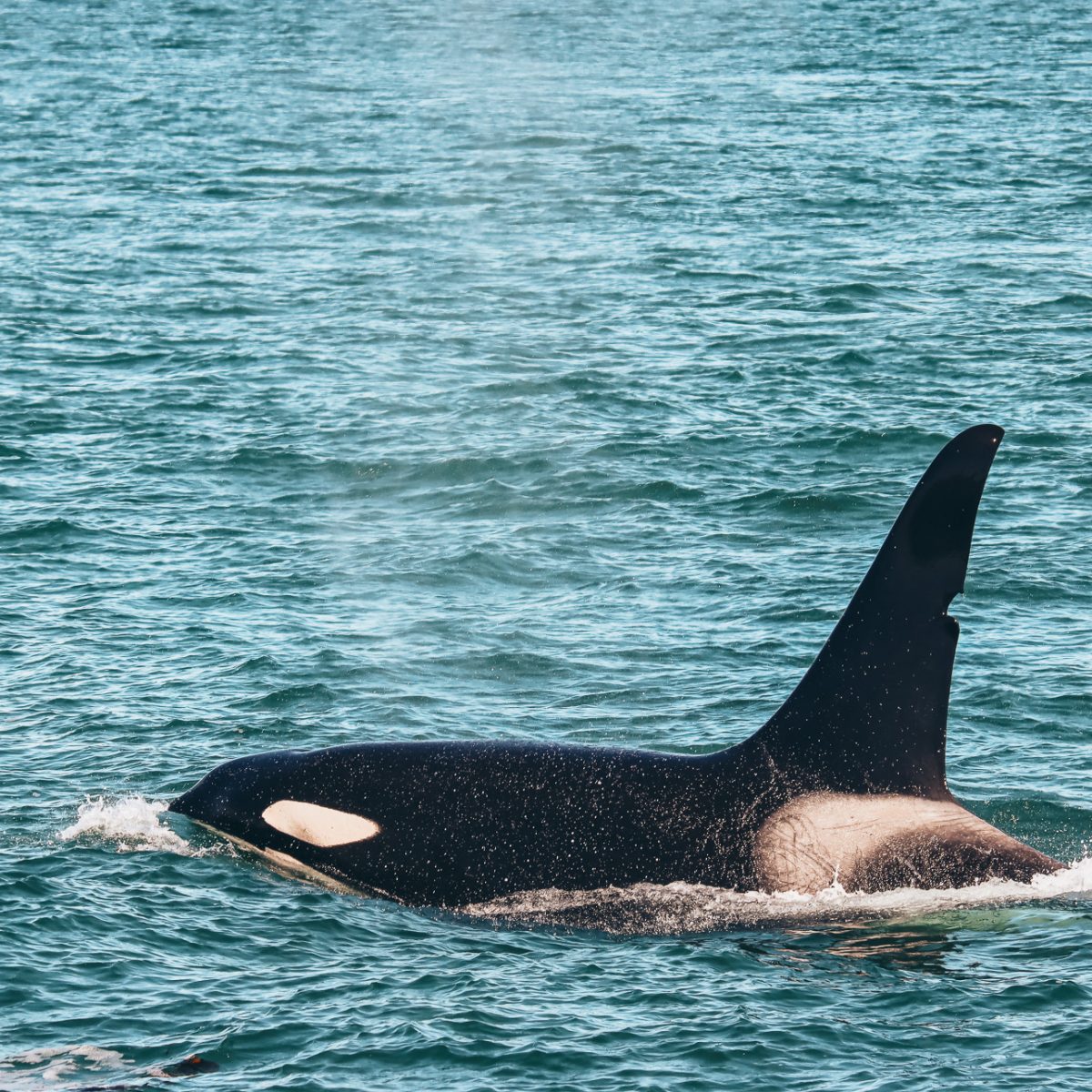
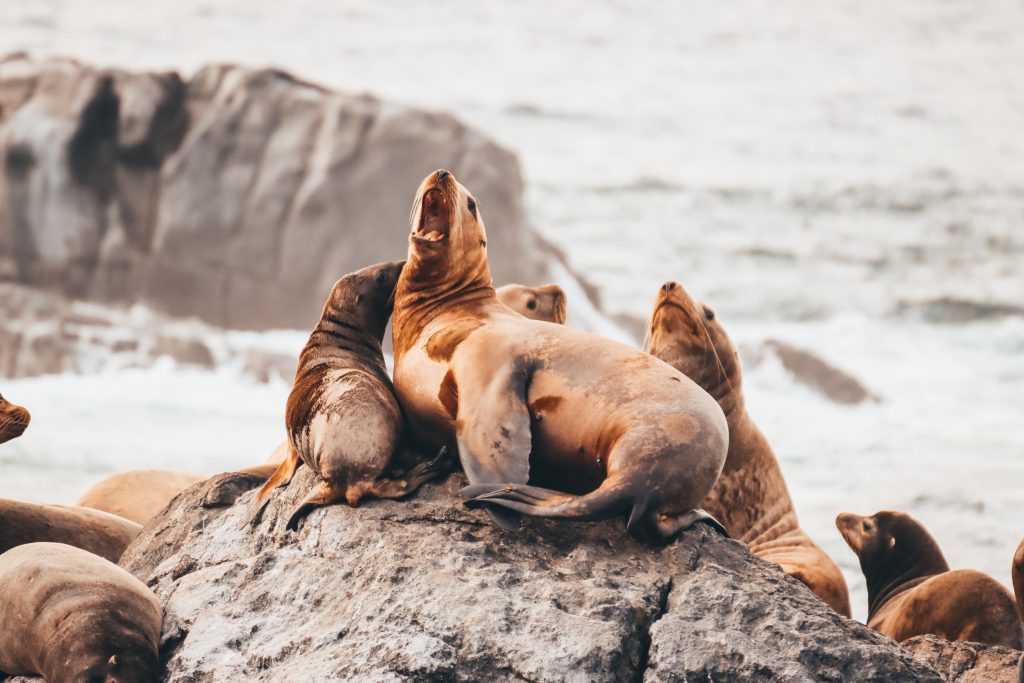
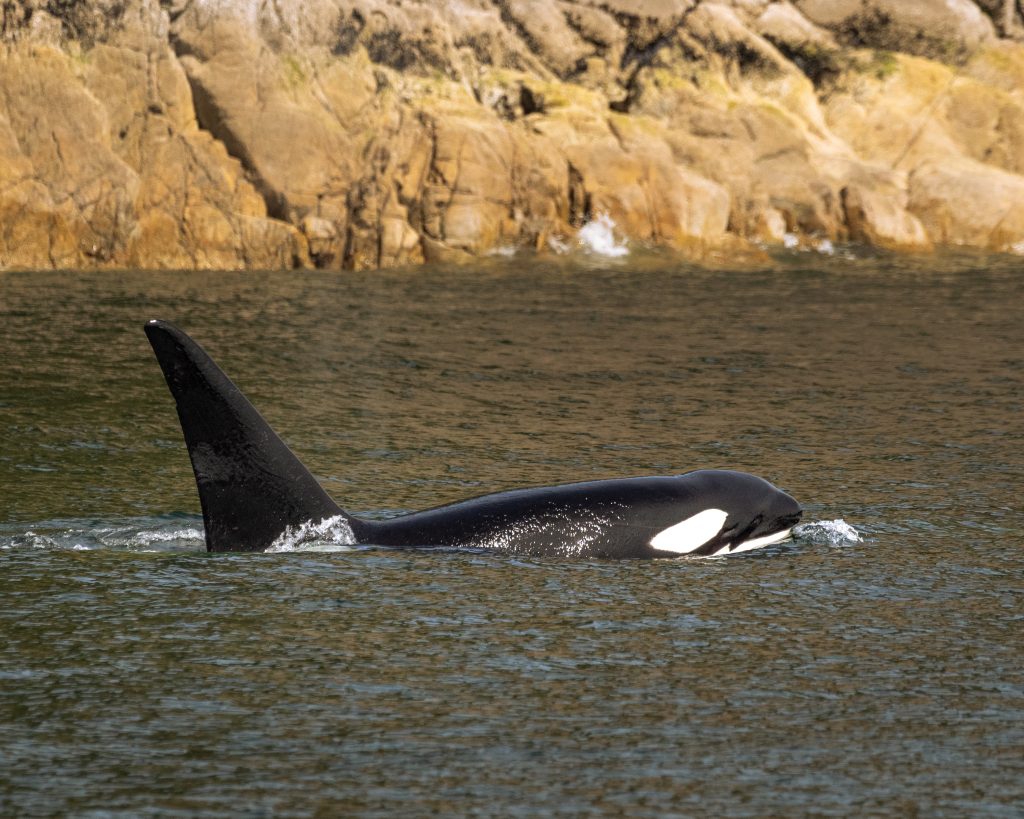
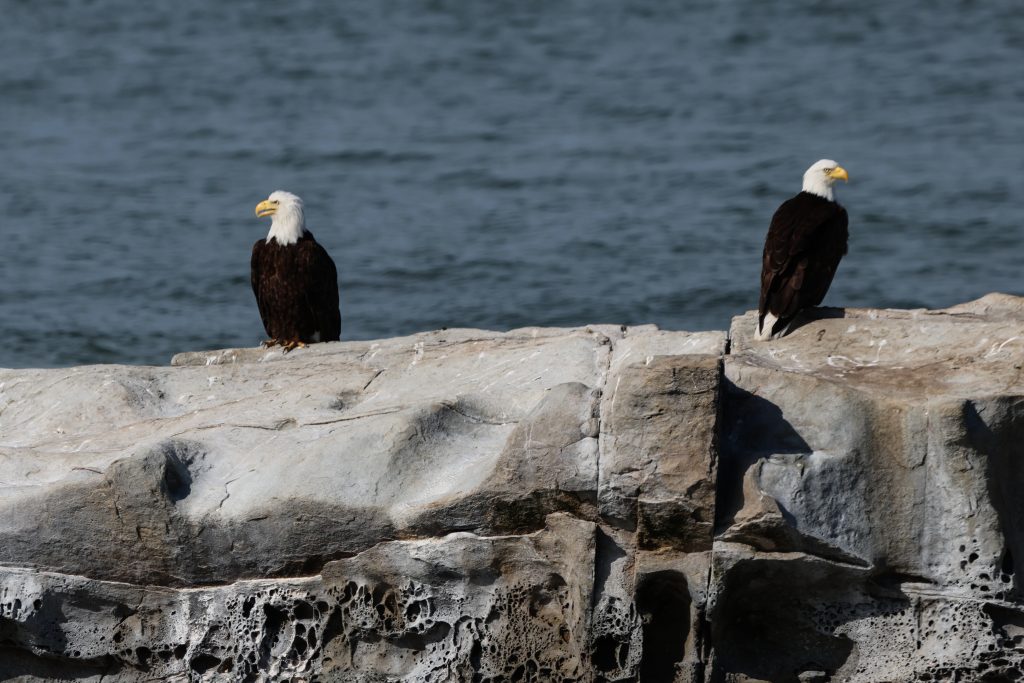
The region’s relatively calm and protected waters also make it an ideal place for marine mammals to rest, socialize, and feed. Orcas travel year-round through the Salish Sea, while humpback whales gather in nutrient-rich feeding areas during the warmer months. Harbour seals, sea lions, eagles, and seabirds all benefit from the ecosystem’s constant supply of food.

A Migration Highway
The Salish Sea is an important migration corridor along the Pacific Flyway and the west coast marine route. Many species travel thousands of kilometres to spend time in these waters because conditions here are so productive.
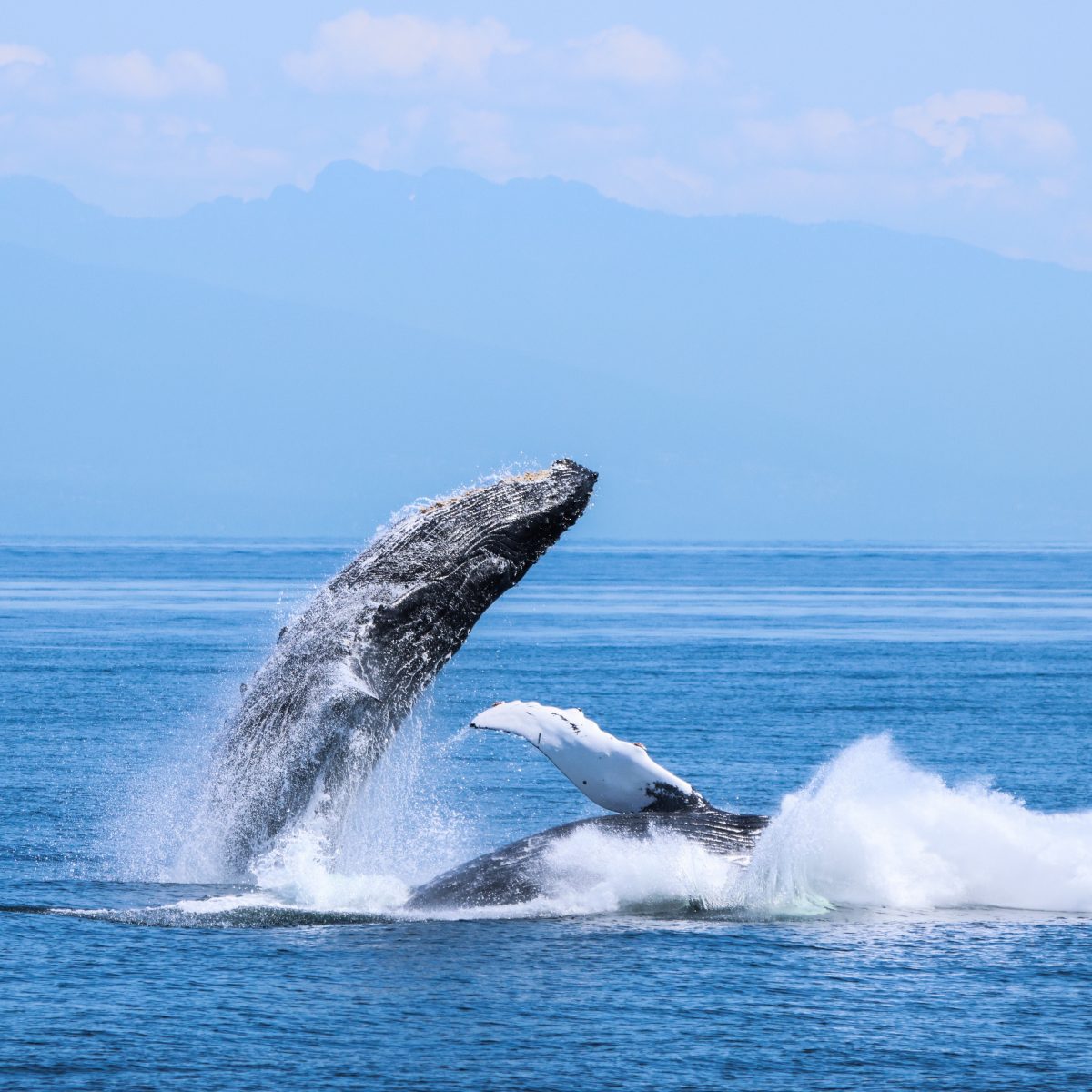
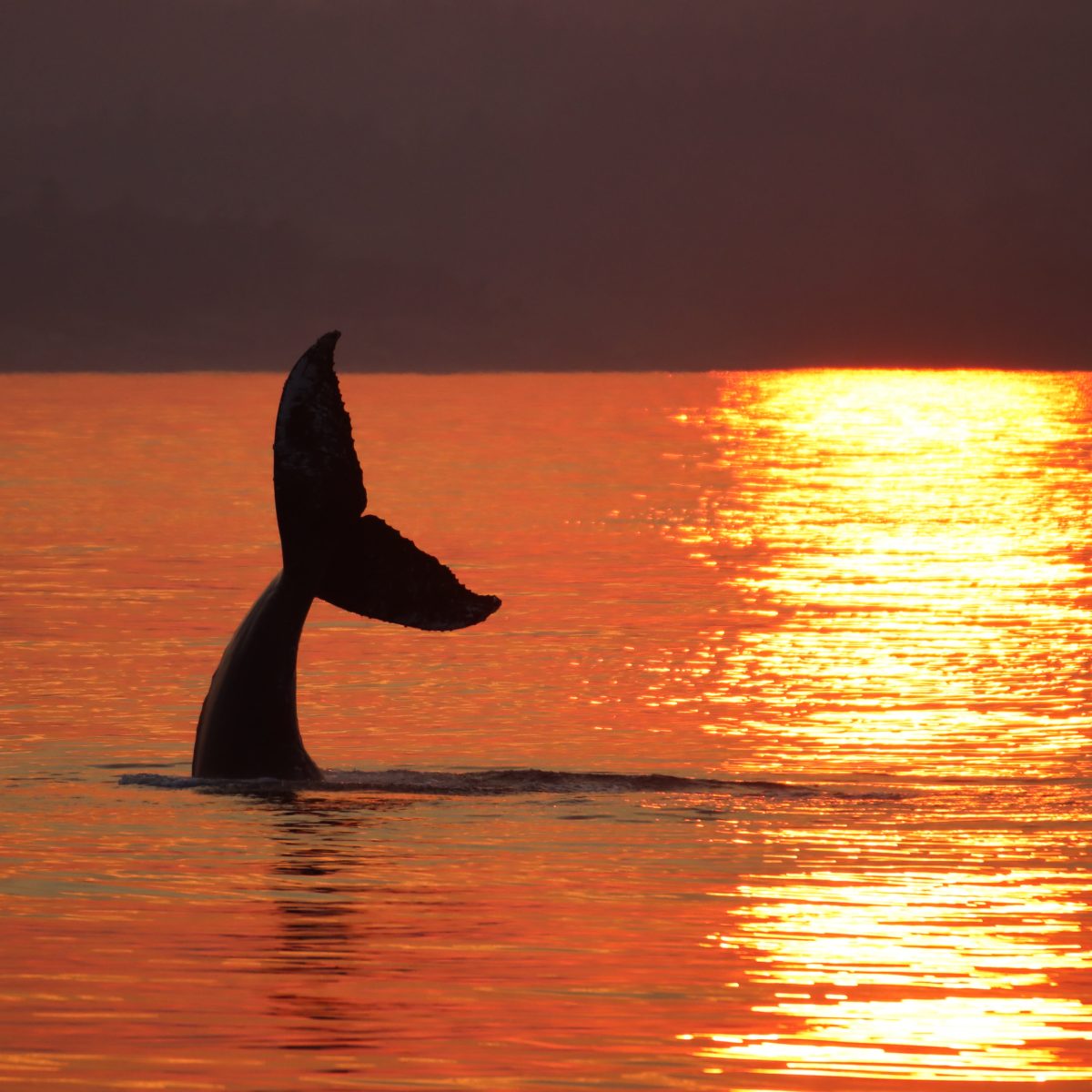
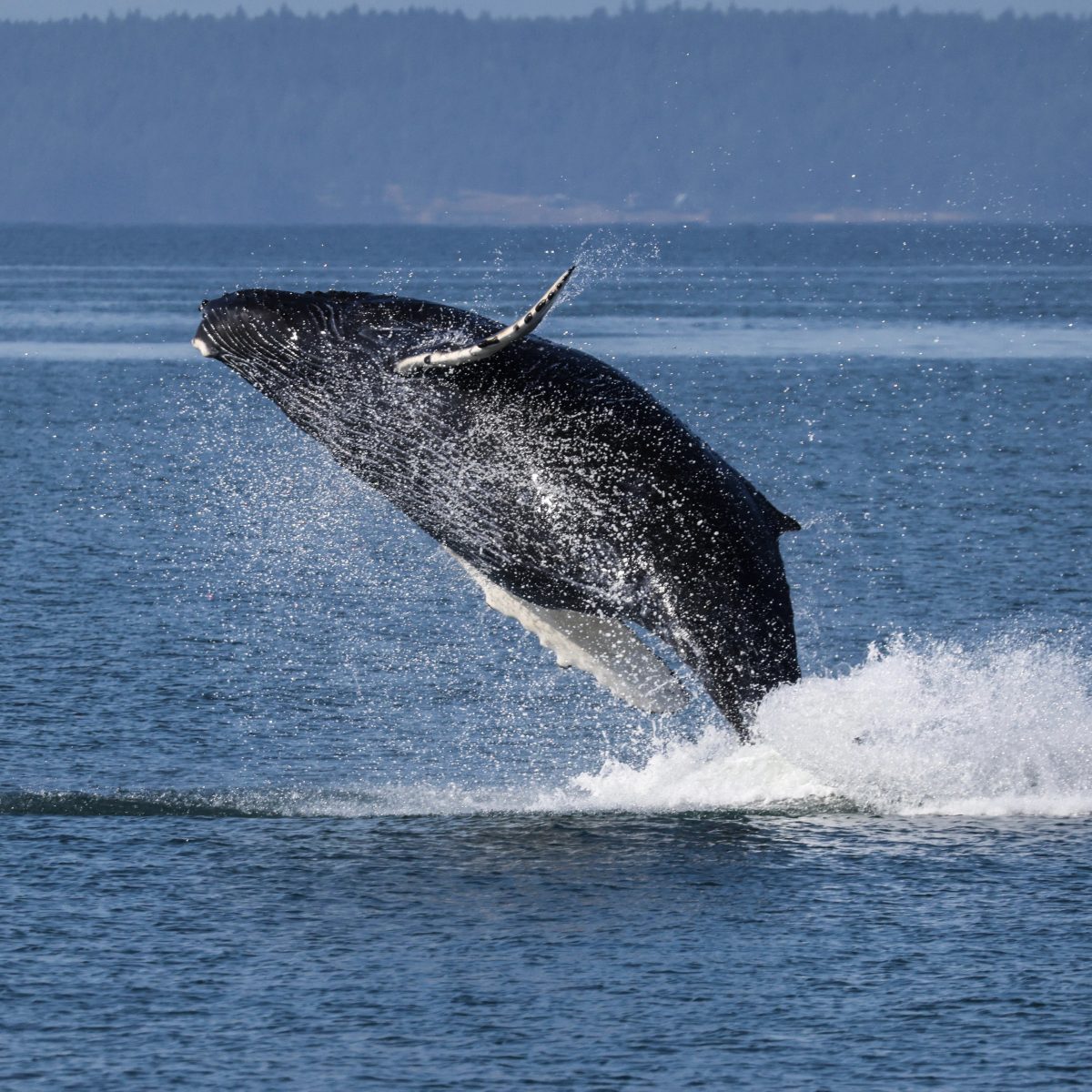
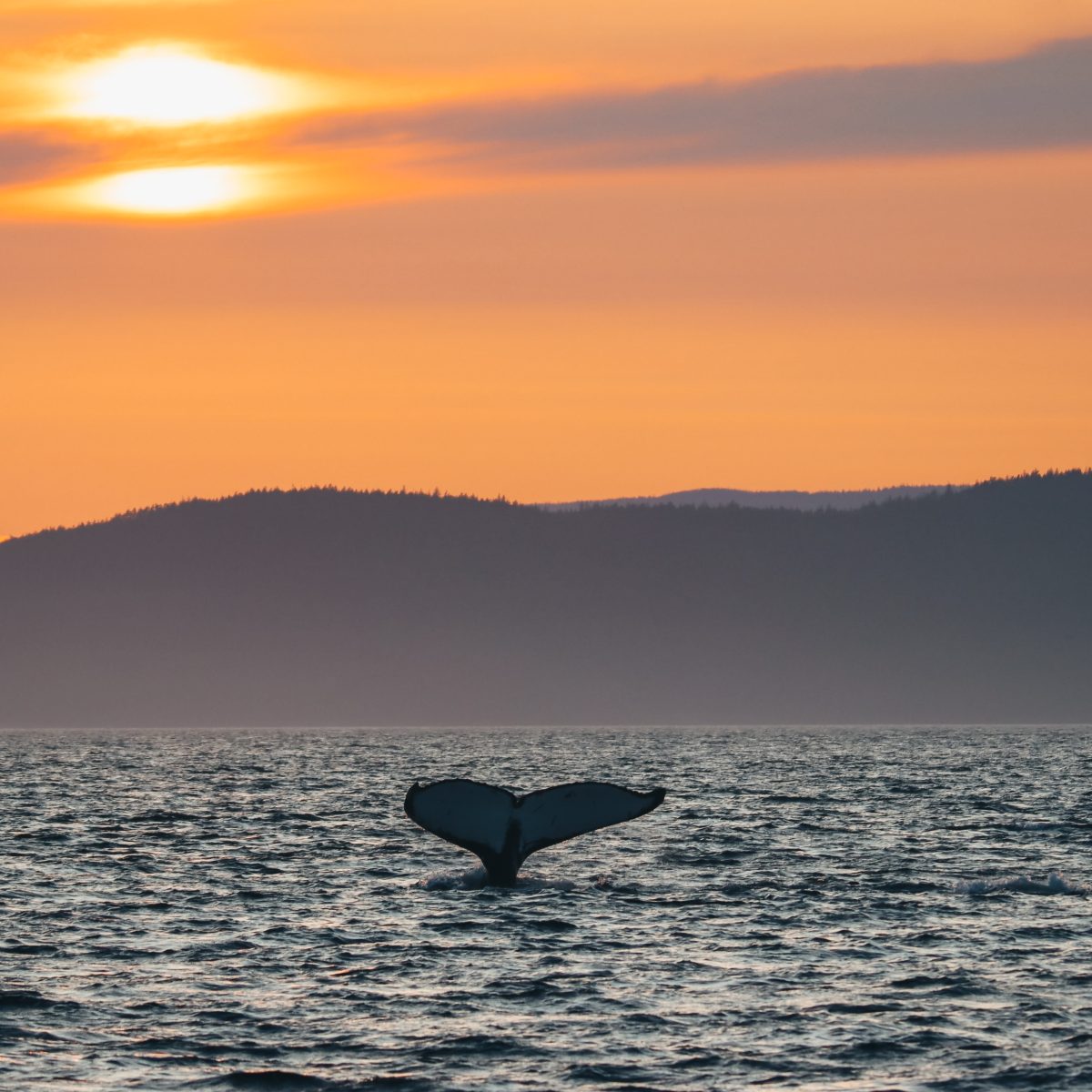
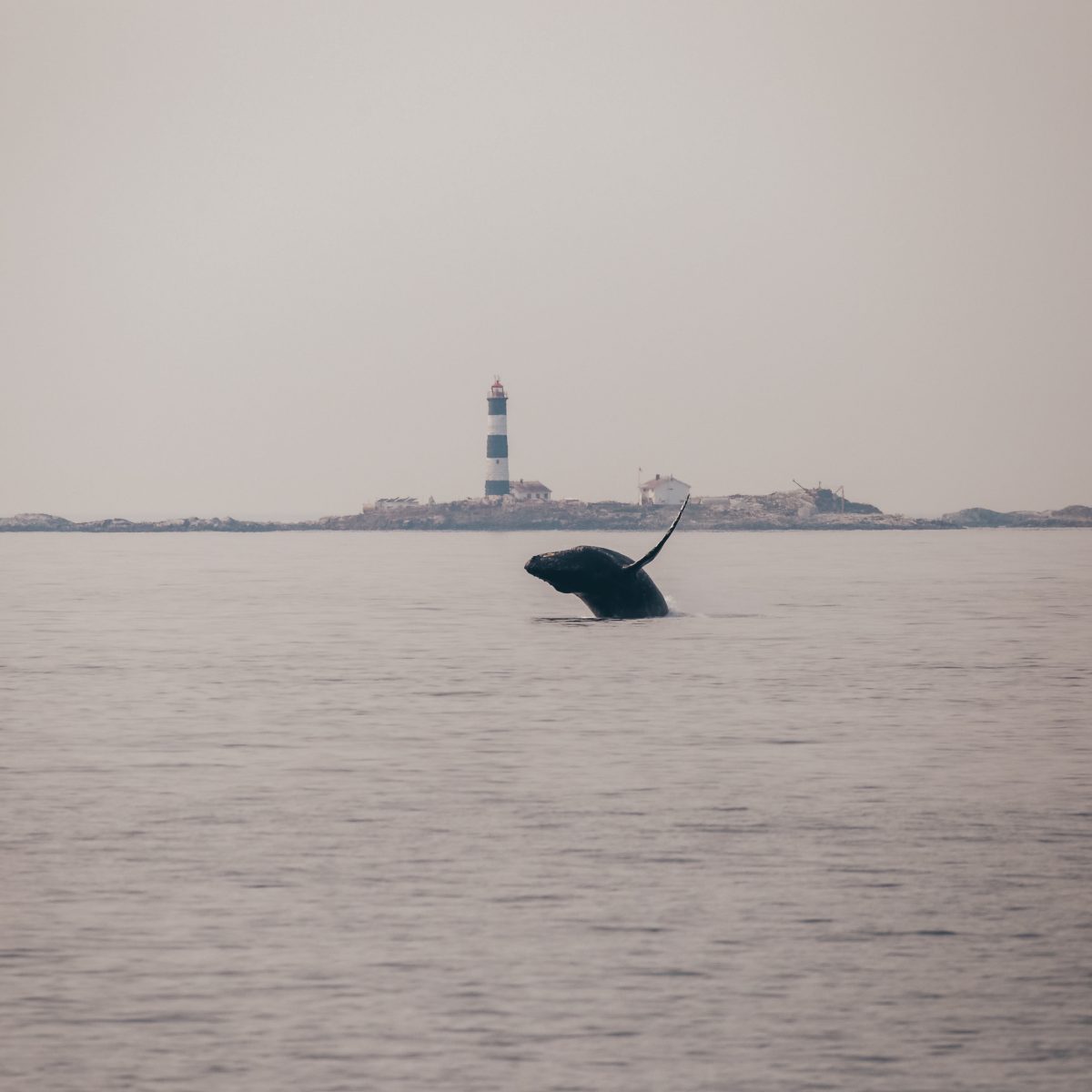
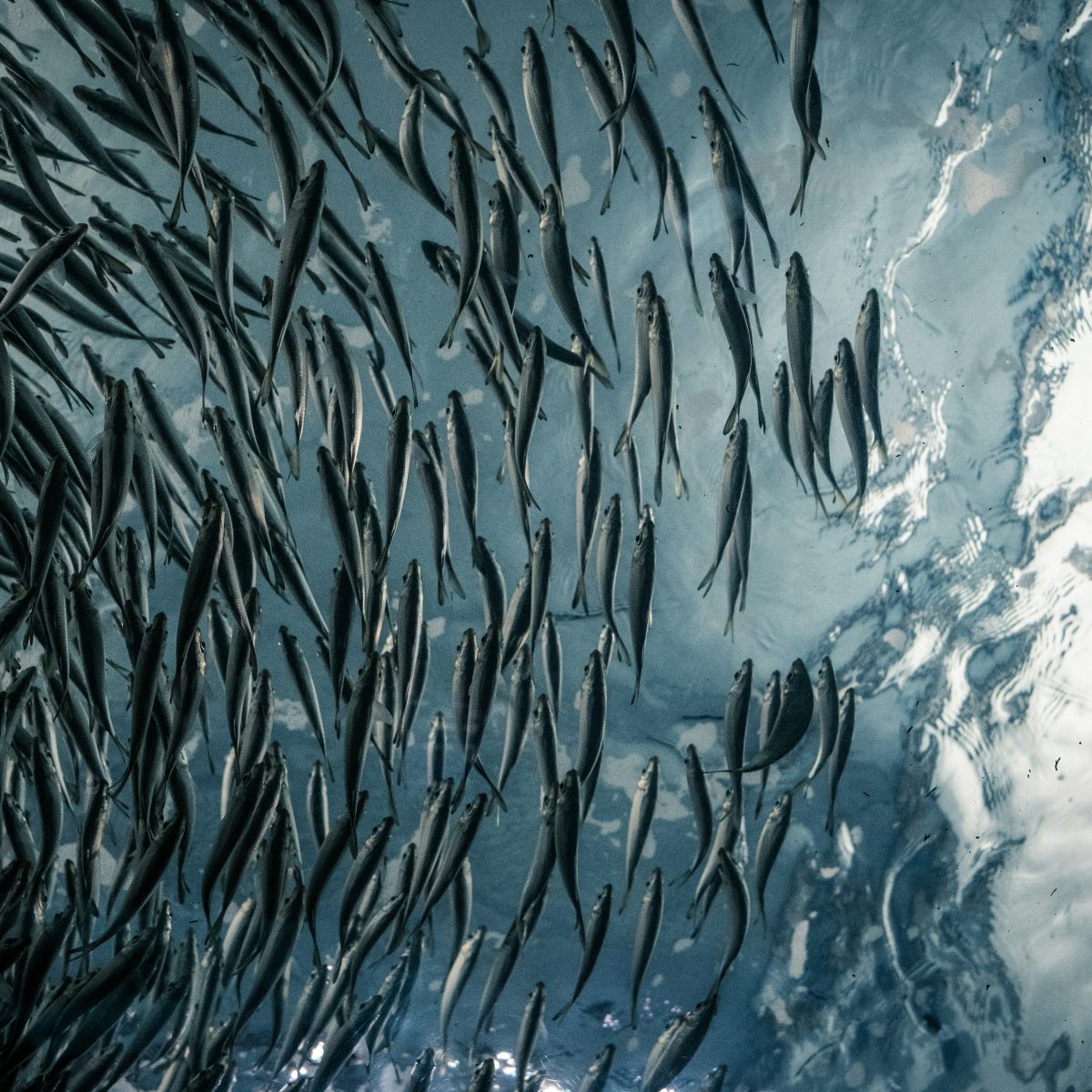
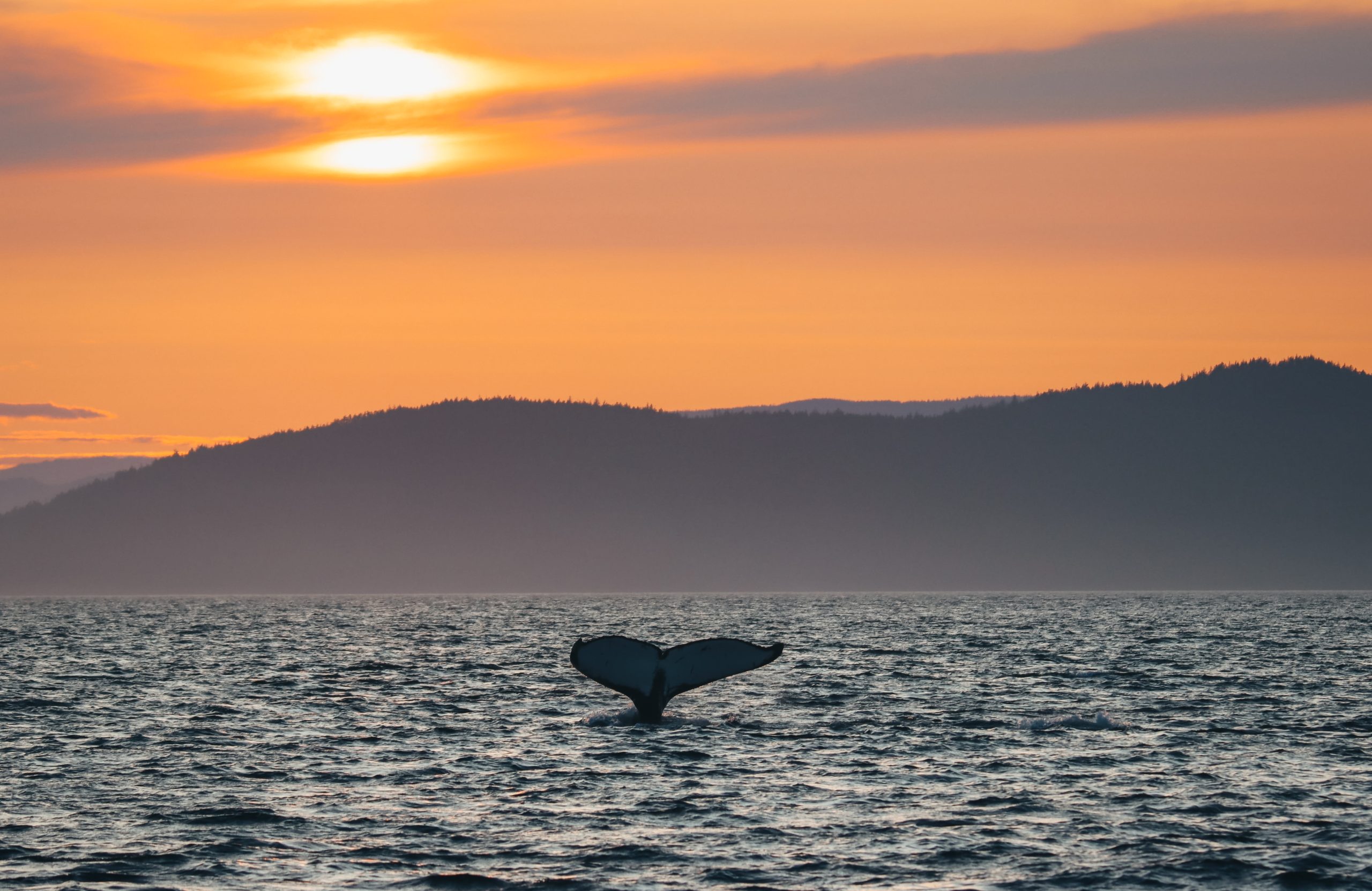
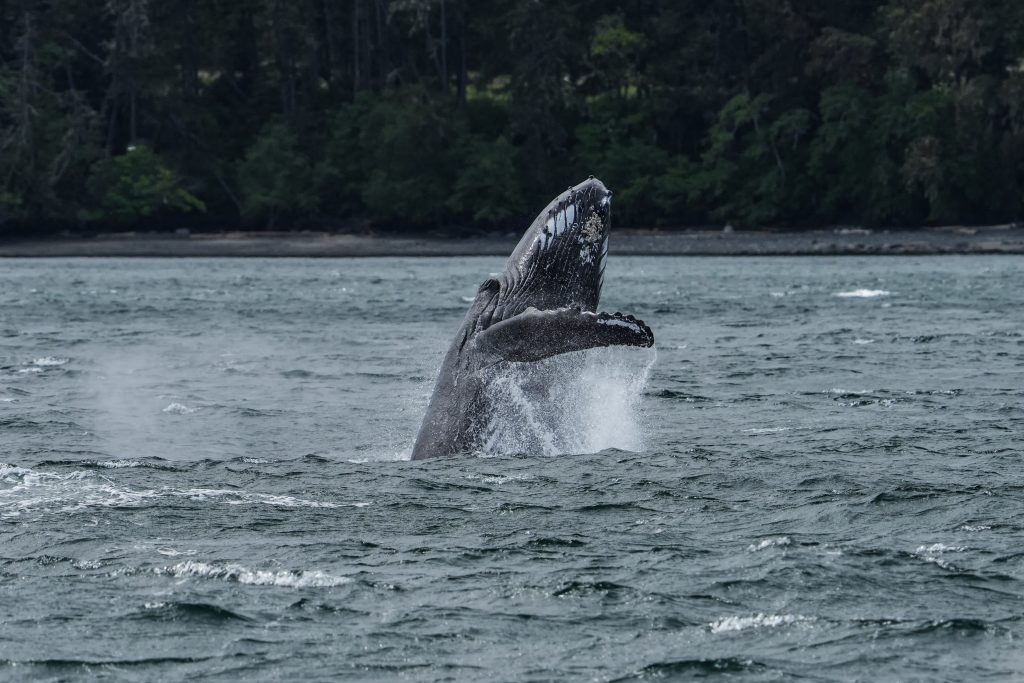
Humpback whales migrate north from breeding grounds in Hawaii and Mexico to feed in the Salish Sea during the spring and summer. Millions of schooling fish and tiny krill fill these waterways each year, offering an endless buffet for these massive whales and supporting predators throughout the entire ecosystem.
A Truly Unique Wonder
The biodiversity of the Salish Sea exists because of its unique geography, nutrient-rich waters, and interconnected habitats, making it one of the most ecologically productive marine regions in North America.
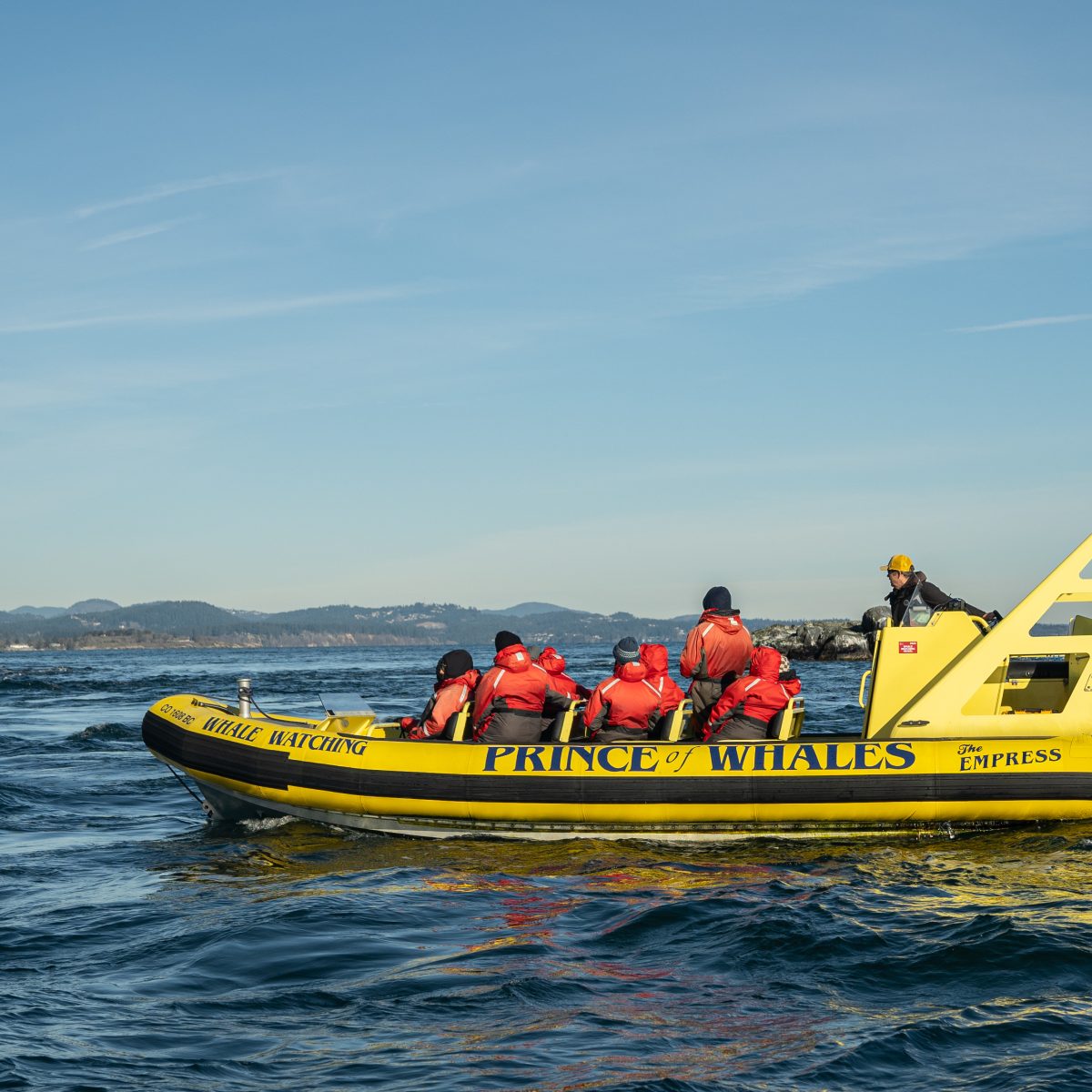
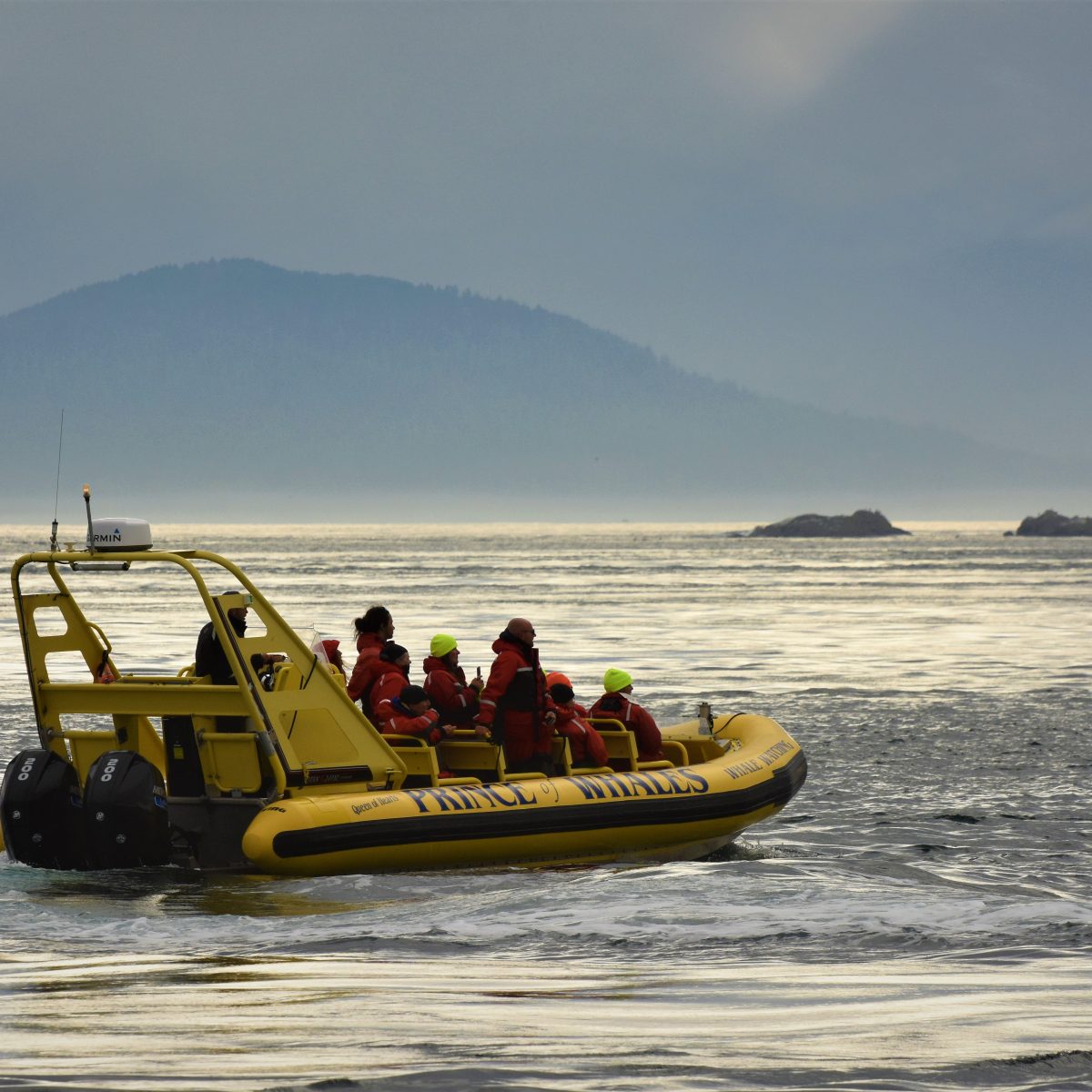
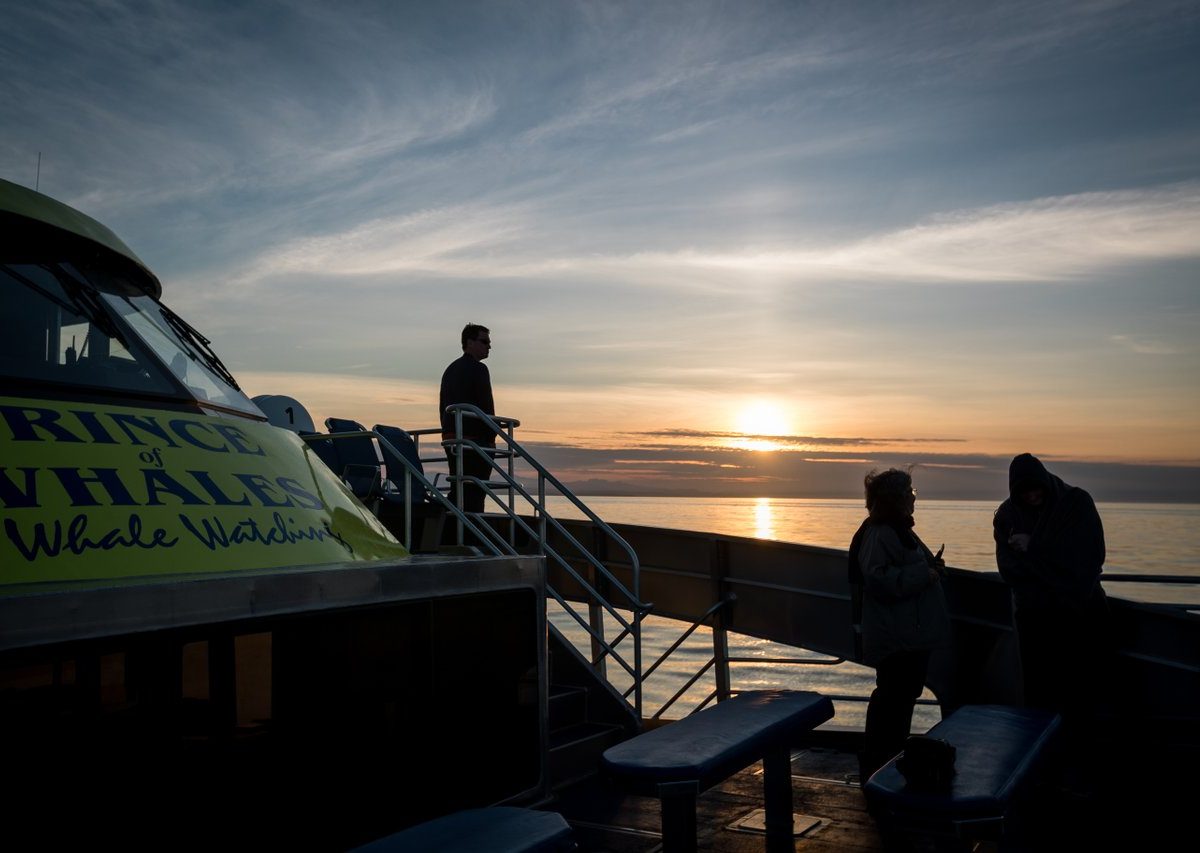
We feel incredibly grateful to call this spectacular region home and to have the opportunity to showcase the extraordinary web of life. From breaching whales and barking sea lions to diving seabirds, there is always magic to see on a tour!