BACK
BACK


September 22, 2026

One of the Greatest Journeys on Earth
Gray whales are known for one of the most incredible migrations of any animal on the planet. Every year, they travel up to 16,000 kilometres round-trip between warm breeding lagoons in Mexico and cold feeding grounds in the Arctic, according to NOAA.
In the fall, gray whales begin heading south from the Arctic, travelling close to shore along the west coast of North America. By winter, they reach the protected lagoons of Baja California, where calves are born and raised. Then, starting in mid February, the whales begin their journey north again, moving steadily back toward nutrient-rich feeding areas through the spring.
What makes this migration especially unique is how close to land they travel. Unlike many other whale species, gray whales often stay near shore, making them one of the easiest whales to spot from land or small vessels.

When to See Gray Whales in British Columbia
If you are hoping to see gray whales in BC, timing is everything!
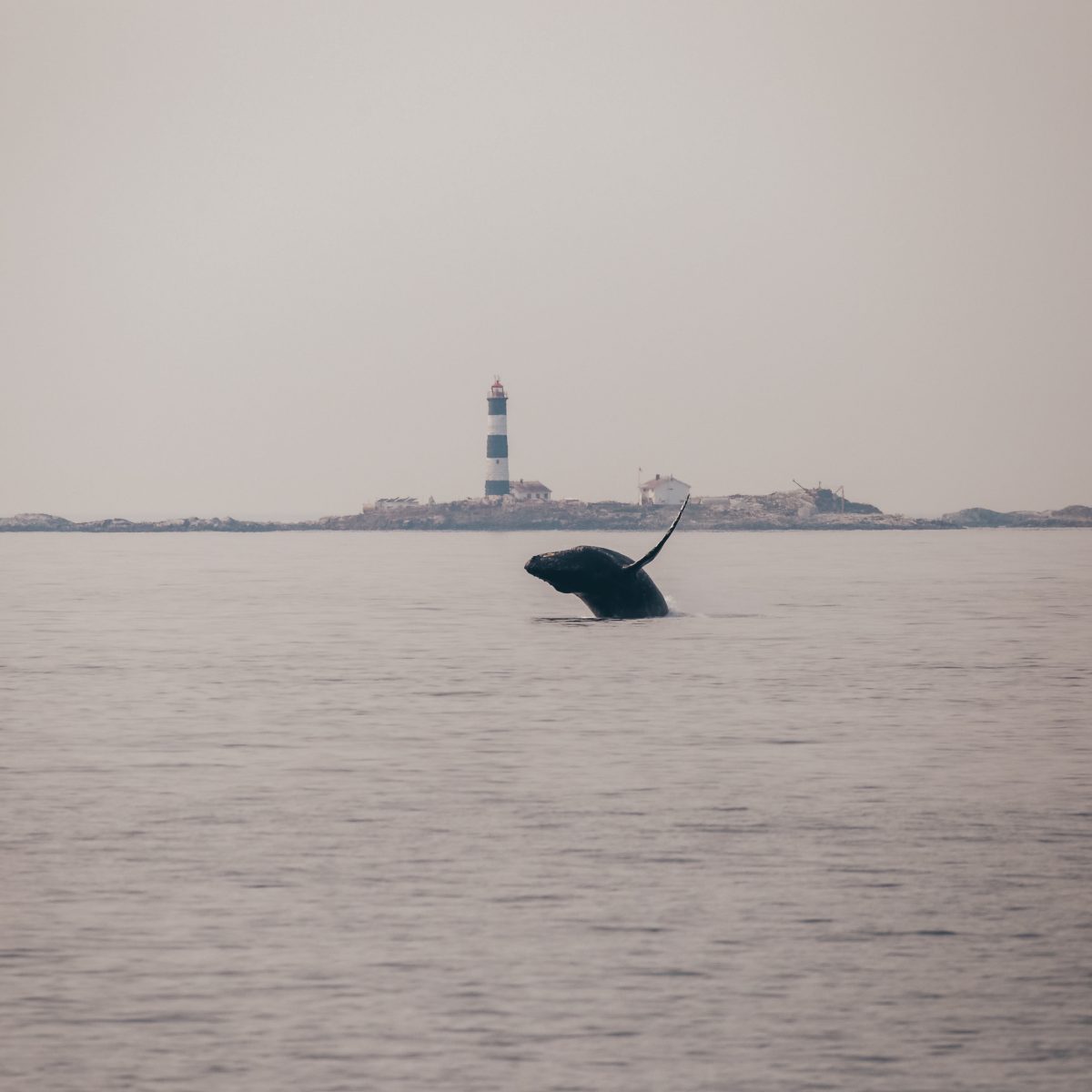
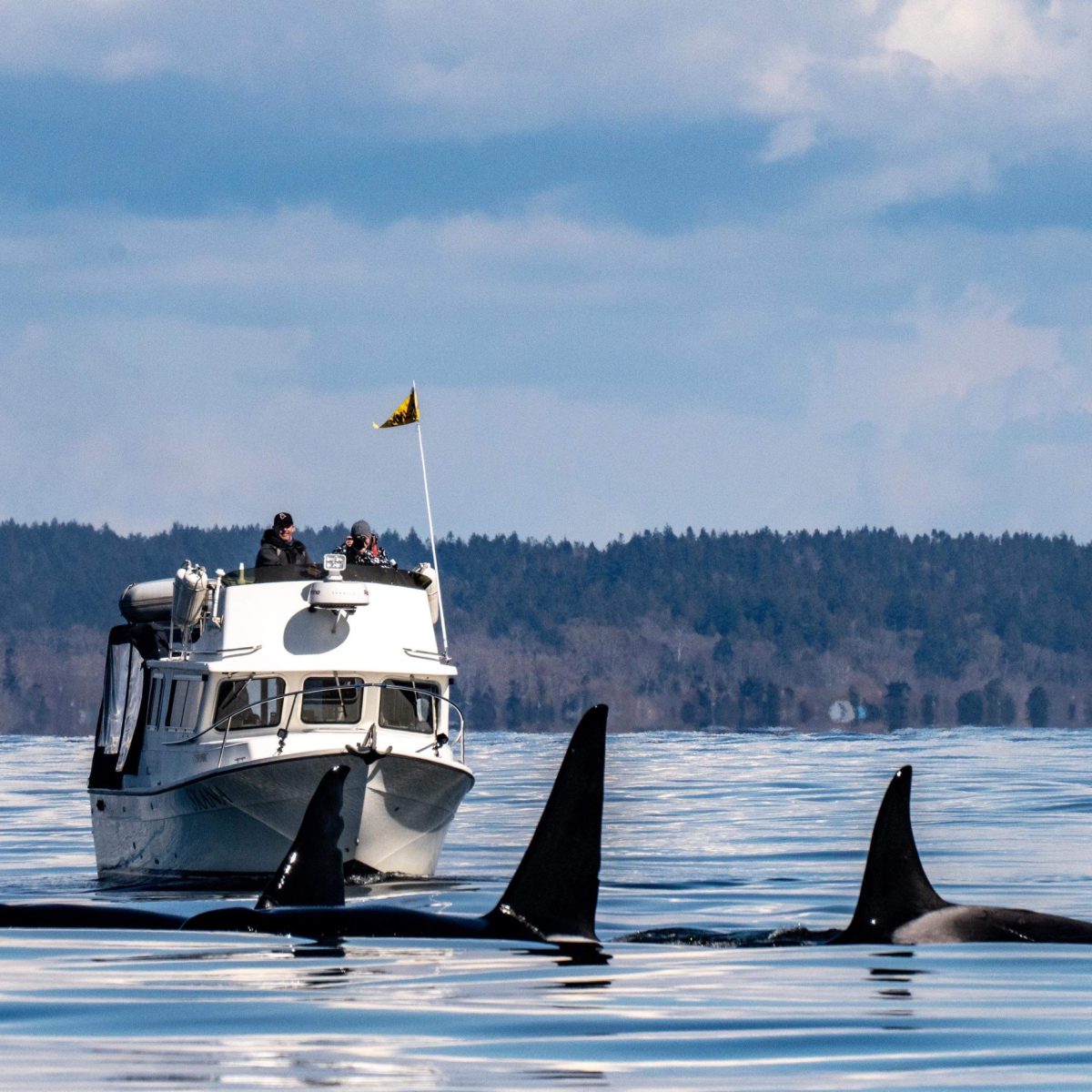
The best window is March through May, when whales are travelling north past Vancouver Island. This is when sightings are most common, especially in early spring, as they pass through coastal waters on their way back to Alaska. During this time, you may even spot mothers and calves, as they are typically the last to migrate north and tend to stay closer to shore for protection.
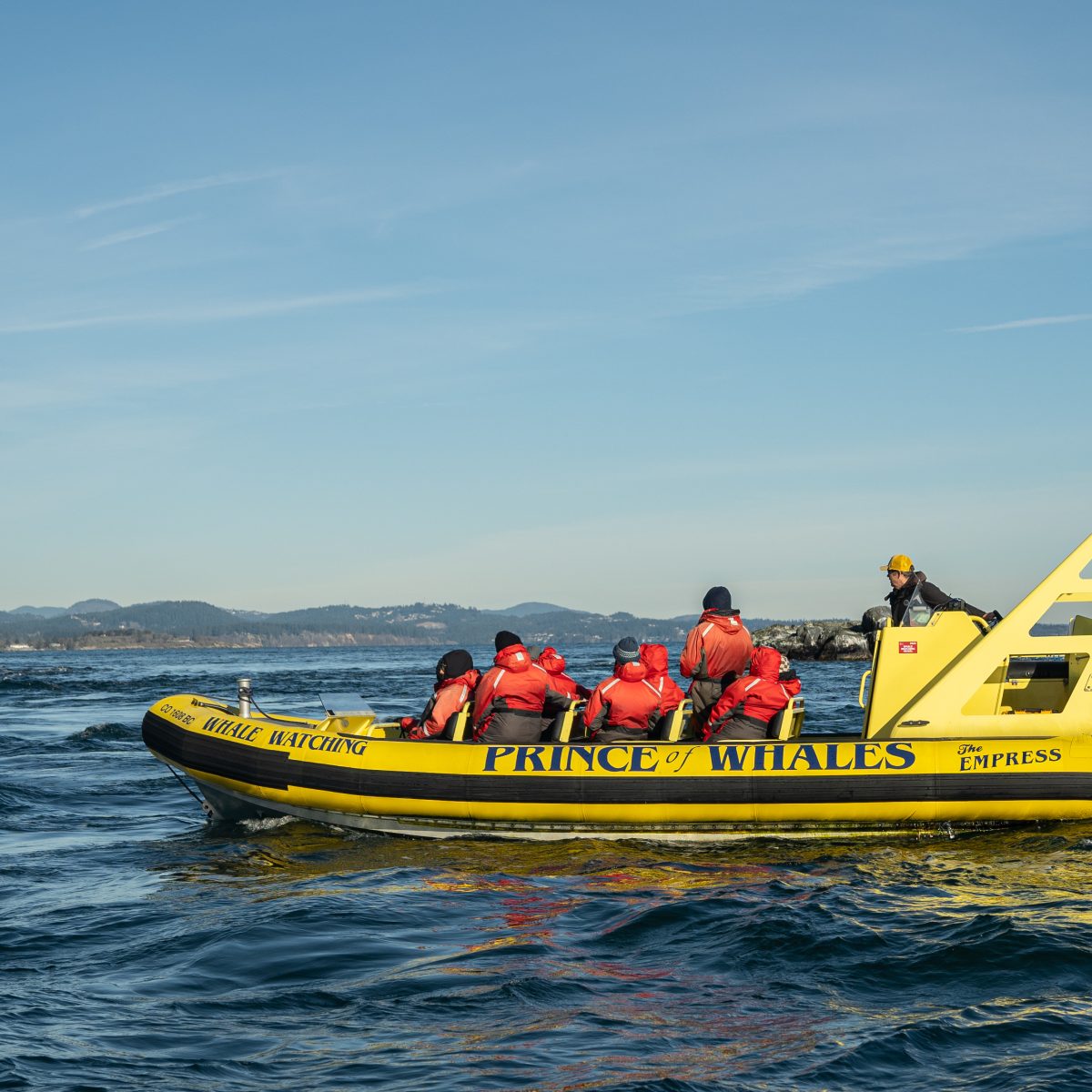
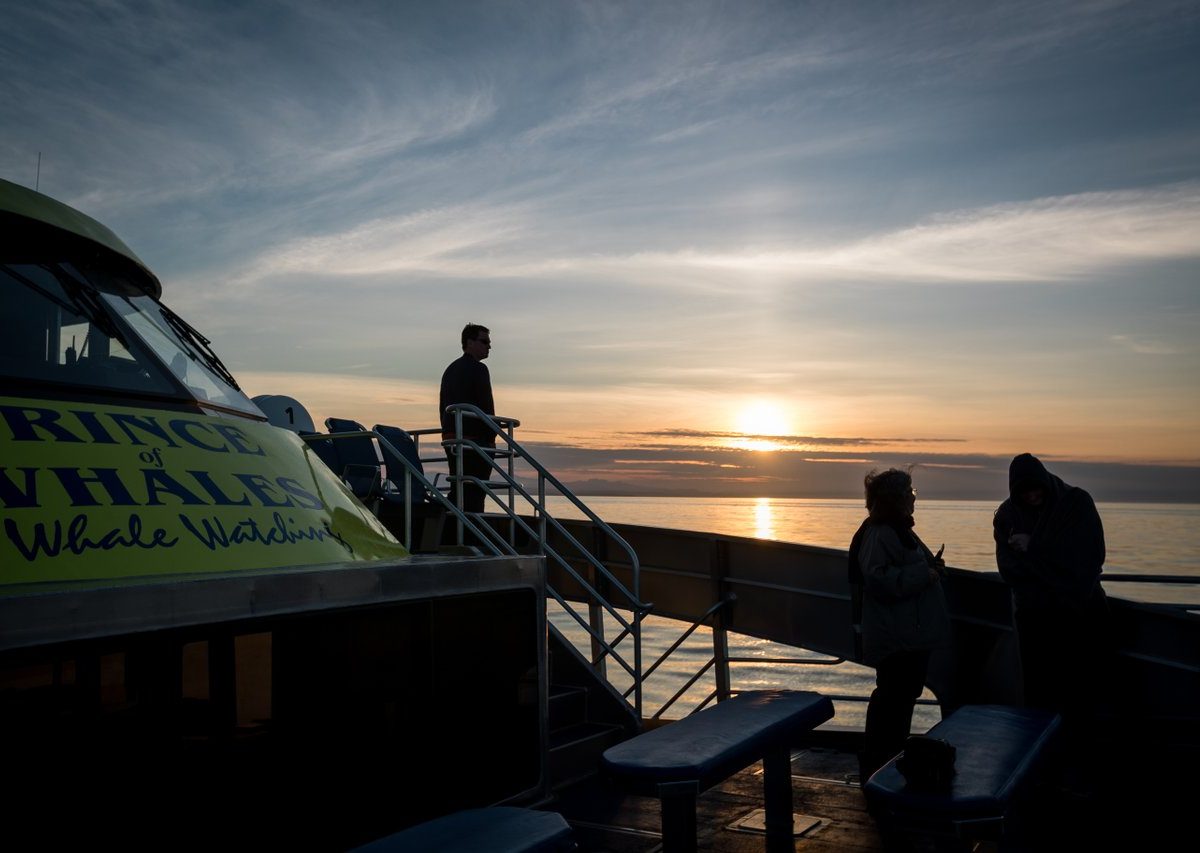
In some areas, like the west coast of Vancouver Island, smaller groups of gray whales may linger to feed in shallow bays. These whales are part of a group known as the Pacific Coast Feeding Group, which stays local rather than continuing all the way to the Arctic. This makes spring kayaking and whale watching tours an especially exciting time, as you are witnessing a major moment in their annual journey.
About Gray whales
Gray whales are full of unique behaviours that set them apart from other whales.
One of the most interesting is how they feed. Instead of filtering food in open water like many baleen whales, gray whales are bottom feeders. They roll onto their sides and scoop up sediment from the seafloor, filtering out tiny crustaceans. This is why they are often seen in shallow coastal waters.
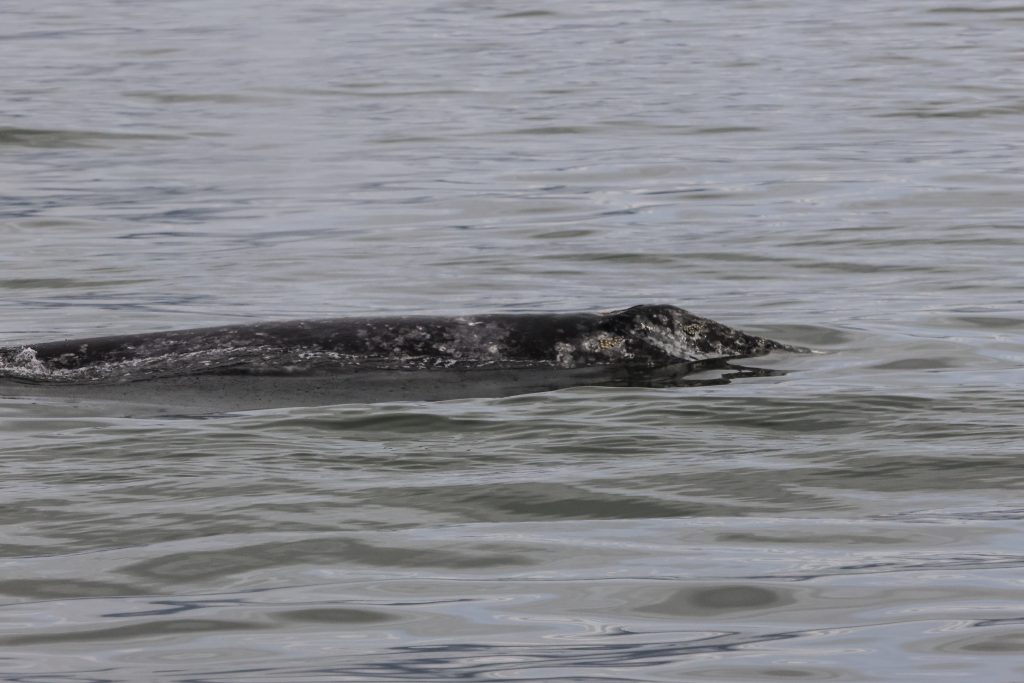
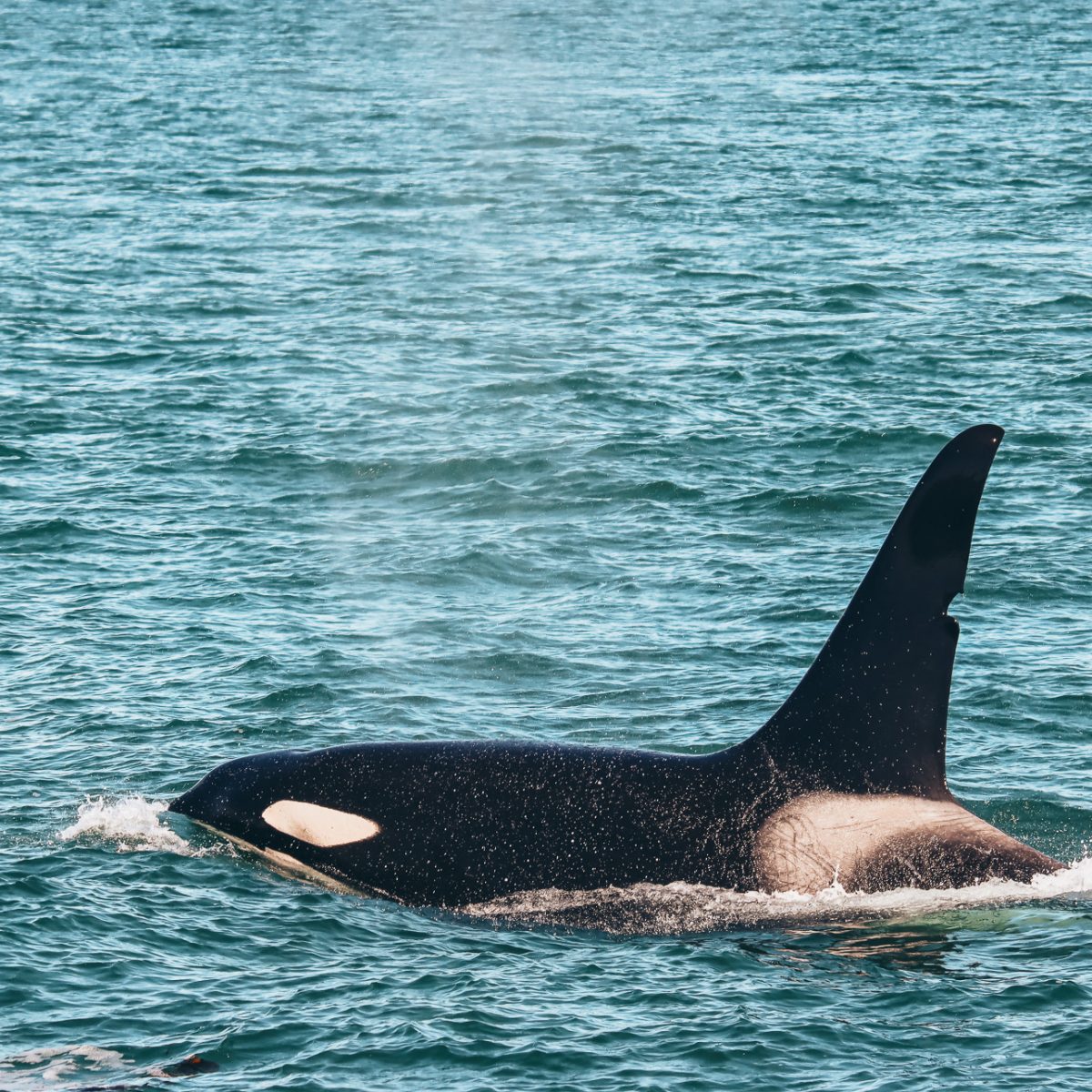
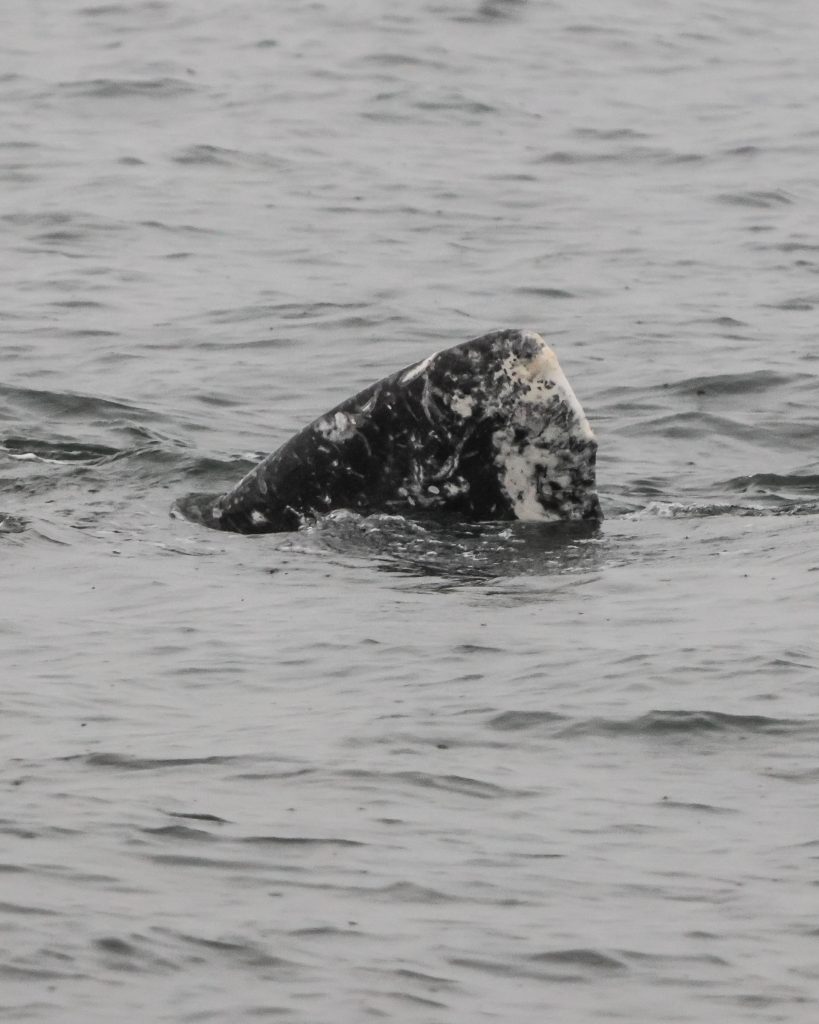
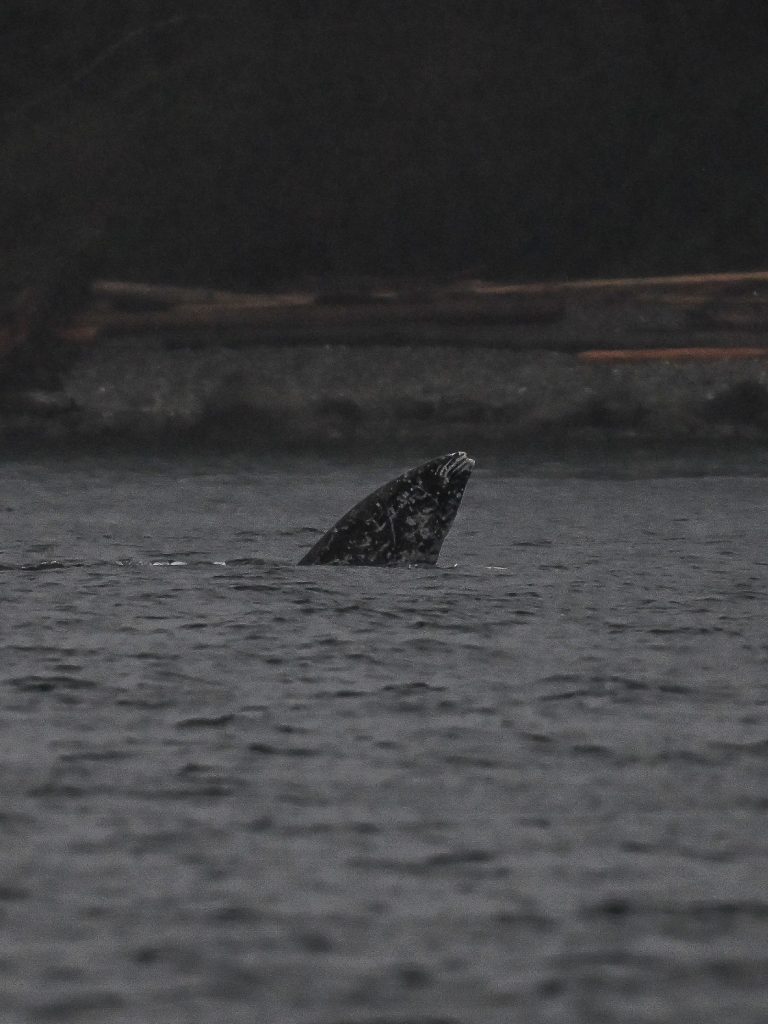
Another fun detail is their appearance. Gray whales are covered in barnacles and whale lice, giving them a mottled, textured look. These markings are so unique that researchers can identify individual whales based on their patterns. Gray whales also travel in a very structured migration pattern. Different groups move at different times, with pregnant females often travelling first, and mothers with newborn calves travelling last.
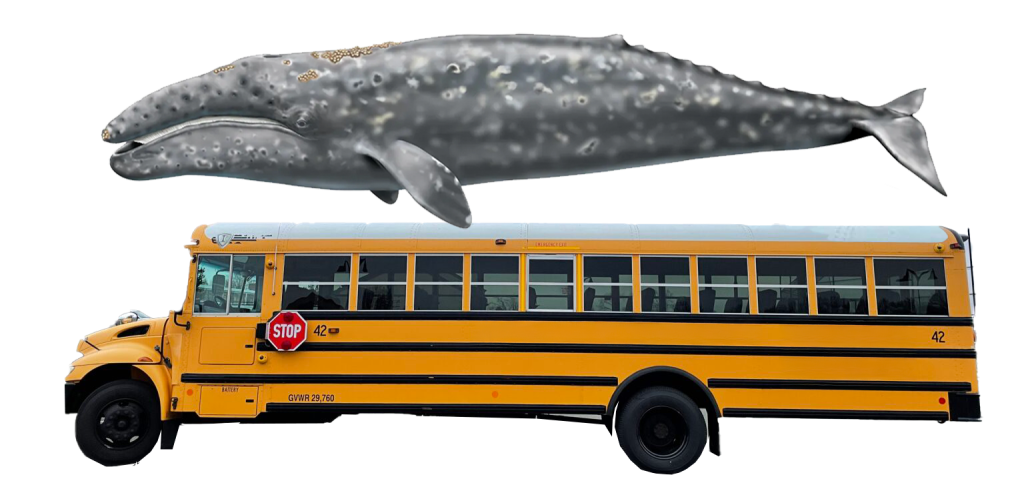
Gray whales get to lengths, comparable to the size of a school bus! of about 15 metersDespite their size, they are surprisingly fast and consistent swimmers, travelling day and night at steady speeds during migration.
Why This Migration Matters
Gray whale migration is more than just a journey; it is a critical part of their survival. They rely on warm, sheltered waters to give birth and on cold, nutrient-rich waters to feed. This movement also connects ecosystems across thousands of kilometres. What happens in Arctic feeding grounds can directly impact what we see here in British Columbia.
Seeing a gray whale in BC means you are witnessing a small moment in one of the longest migrations on Earth, and how cool is that!