BACK
BACK


February 19, 2026

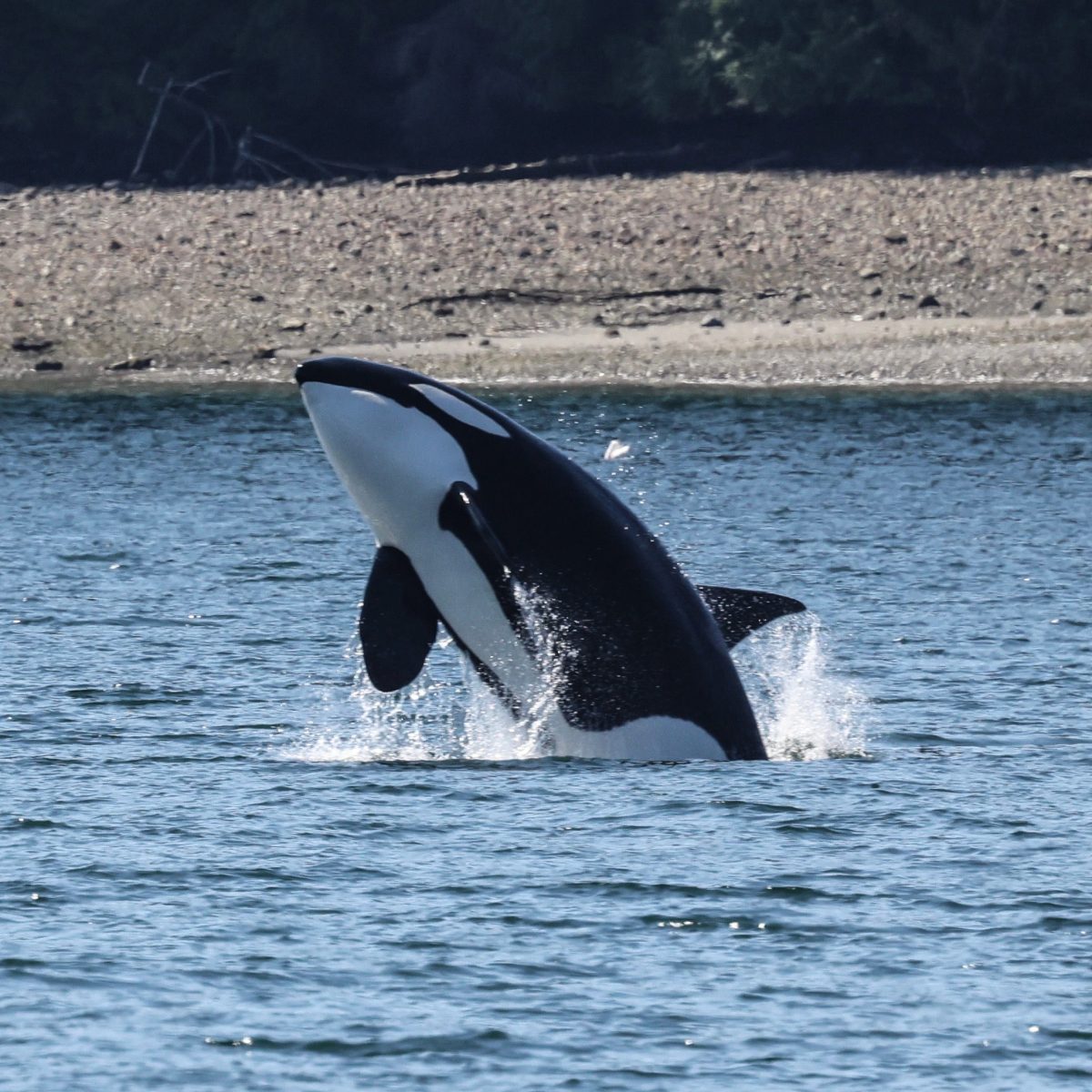
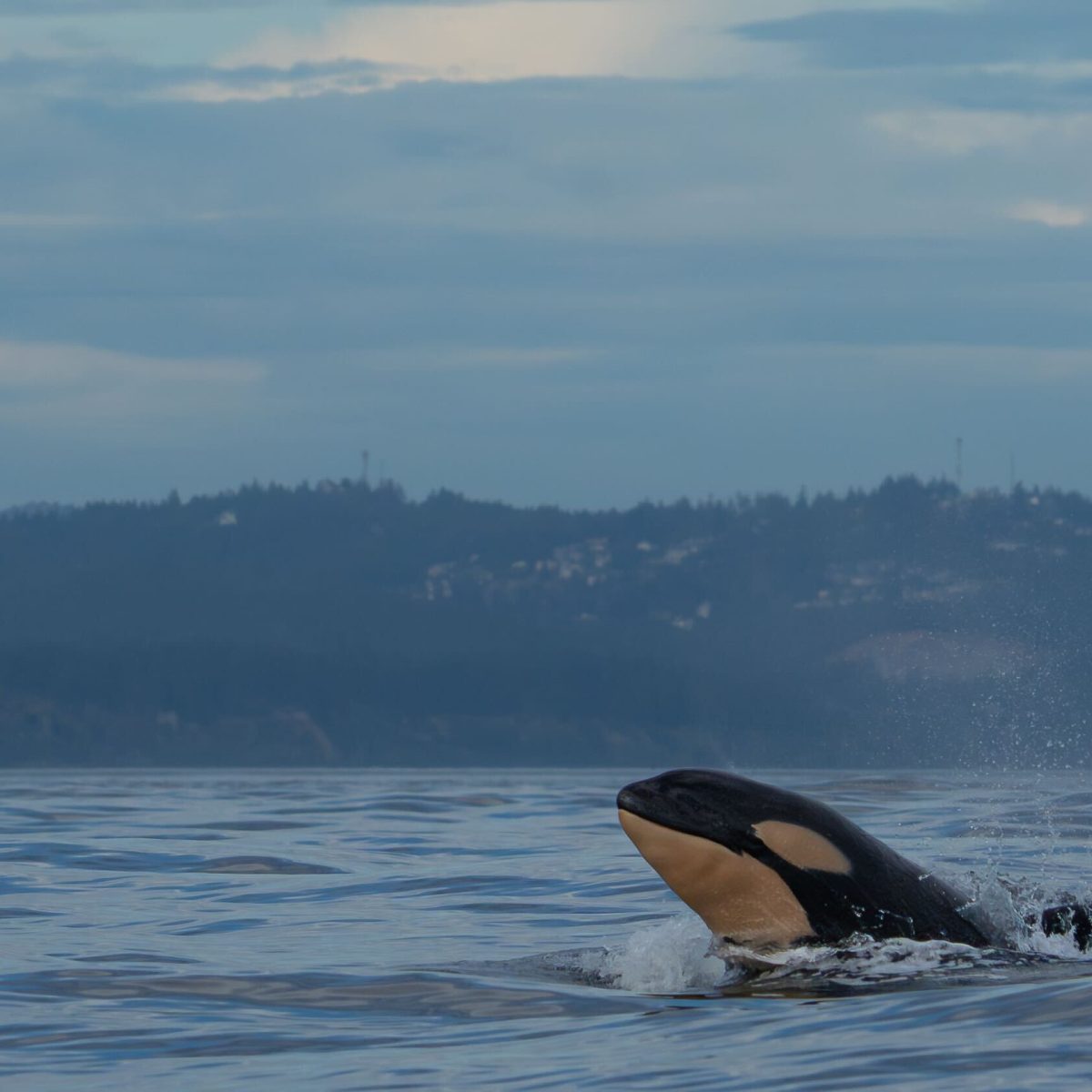
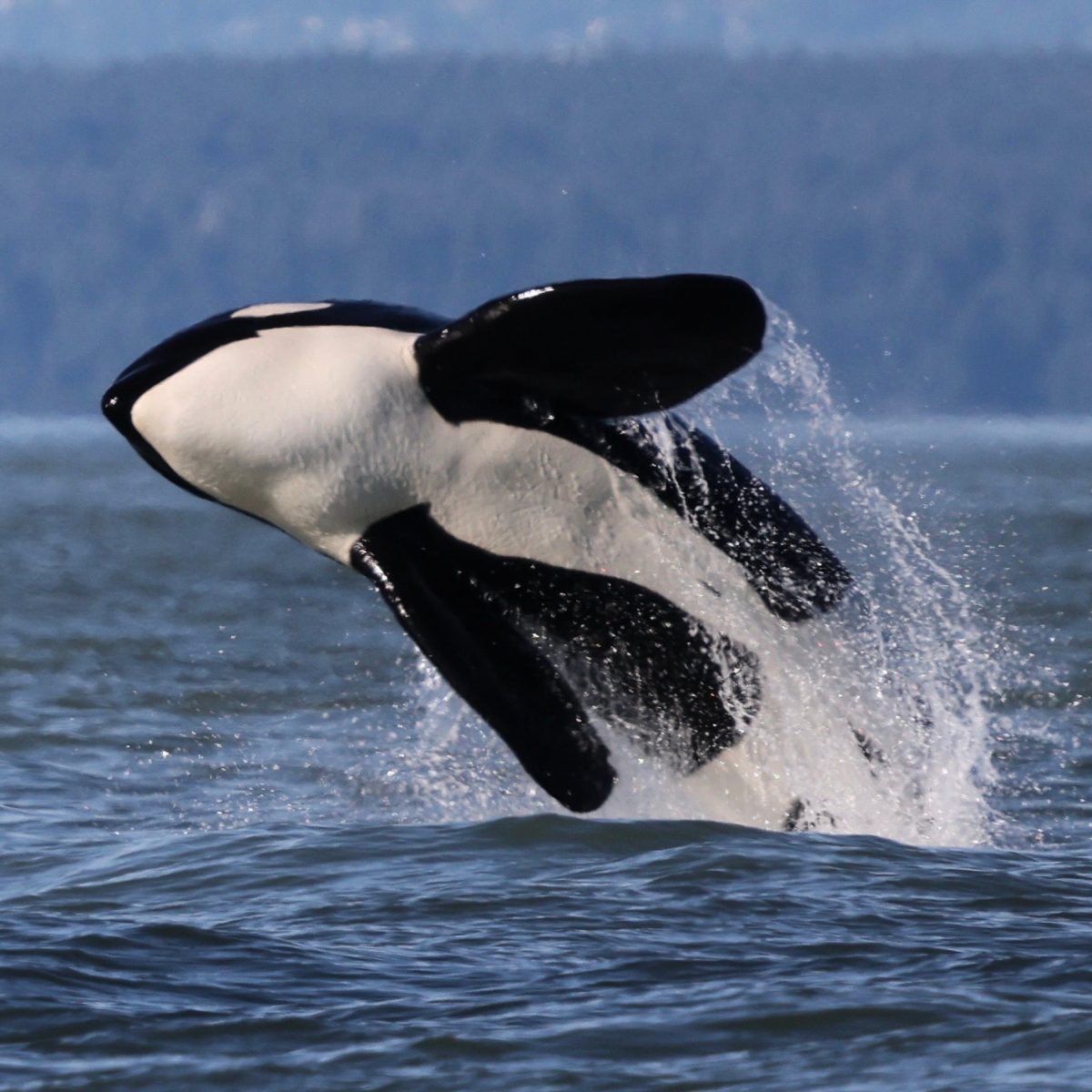
Few marine animals inspire as much fascination as the orca, a powerful and intelligent predator found in both the northern and southern hemispheres. Even their name raises questions. Are they orcas, killer whales, or something else entirely? The answer lies in a long history shaped by sailors, scientists and changing cultural perspectives.
Killers of Whales
The name killer whale dates back centuries. Early whalers and sailors observed these animals hunting large prey, including other whales, and originally called them whale killers. Over time, the words were reversed into the name we know today. This label reflects their hunting abilities, as many ecotypes are able to successfully hunt large cetaceans, such as humpback and blue whale calves. Since there are no documented cases of wild orcas preying on humans, however, killer whales do not carry the same reputation to us!


Orcinus orca
The name orca comes from their scientific classification, Orcinus orca. Orcinus loosely translates to “belonging to the realm of the dead”, and Orca is believed to stem from ancient words describing large whales or sea creatures. These dramatic terms were typical of early zoology and reflected both the animal’s size and its role as a top predator.
As scientific understanding grew through the twentieth century, our view of orcas shifted. Researchers discovered their complex social structures, unique dialects and culturally distinct populations. With this knowledge came a preference for the name orca, which avoids misconceptions and reflects their scientific identity more accurately.
Both names remain correct and continue to be used. Killer whale appears widely in legislation and scientific literature, while orca is common in education and conservation because it carries fewer outdated associations.


Traditional Names
Along the Pacific Northwest, Indigenous communities have their own names for these animals, including q̓ulhánumucun in hul’q’umi’num and kw̓ánəs in Lekwungen, each reflecting cultural relationships that long predate Western terminology. No matter how you call them, you are describing the same remarkable species. What matters most is recognizing their importance, understanding their role in the ecosystem and supporting efforts to protect them and the waters they call home!
More on Orcas
Killer whales are easily recognizable due to their black-and-white appearance, large size and stocky bodies. But how can we distinguish one killer whale from another…
British Columbia is one of the most biodiverse regions in the world, and we are lucky to have three ecotypes of killer whales in BC’s waters: Resident, Bigg’s (Transient), and Offshore…
Come watch killer whales with us in Victoria, Vancouver or Telegraph Cove!