BACK
BACK


October 8, 2026
March 19, 2026
Orcas Near Vancouver: Bigg’s vs Residents (How to Tell + Why It Matters)
If you’re heading out on the water near Vancouver, hoping to see orcas, there are two district species who call the Salish Sea home. Bigg’s (transient) killer whales and Southern Resident killer whales. Recognizing the differences between these two ecotypes helps ensure a more informed and meaningful experience on the water.
Southern Resident Killer Whales
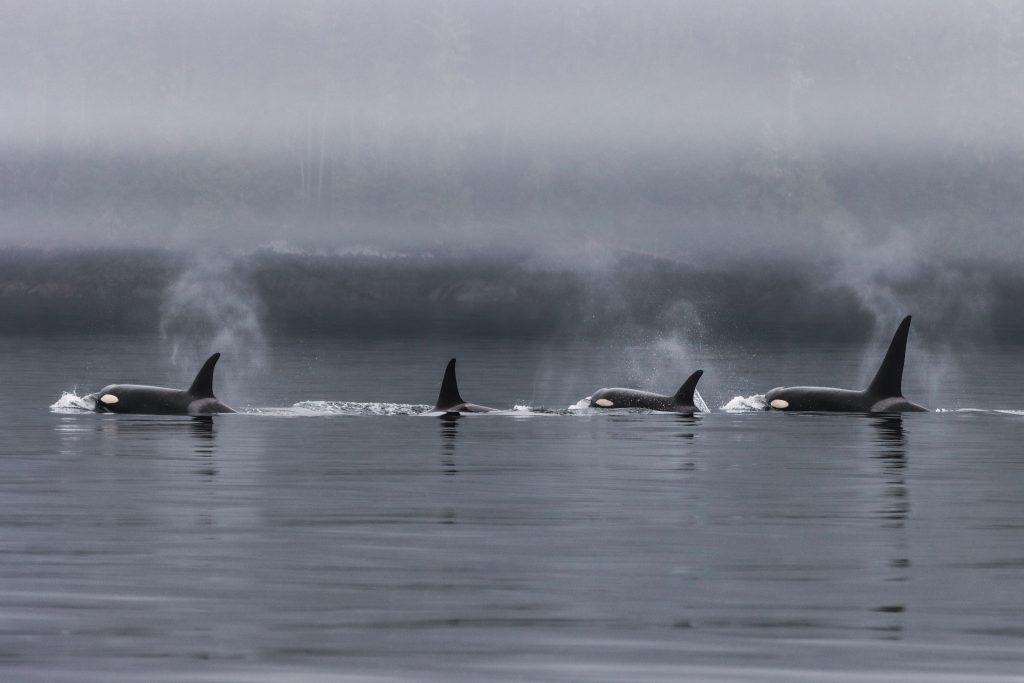
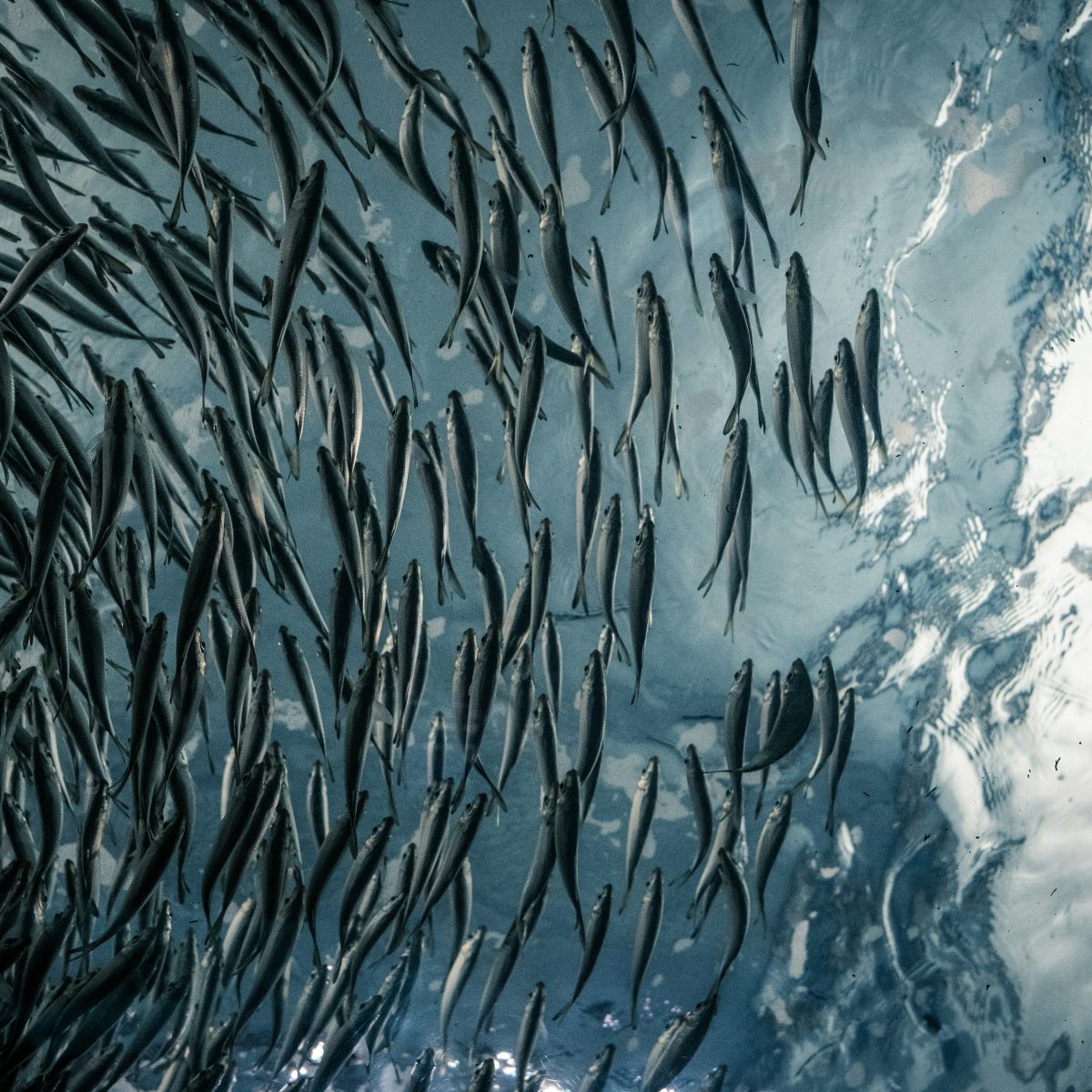
Southern Resident killer whales are specialist hunters. They are fish-eaters, with a strong preference for Chinook salmon. Their lives are closely tied to salmon availability, and their behaviour reflects that. They use echolocation extensively to locate prey and often travel in tight-knit, highly social family groups. Unfortunately, due to the decline of the salmon populations, Southern Residents are critically endangered, with only 74 killer whales left as of March 2026.
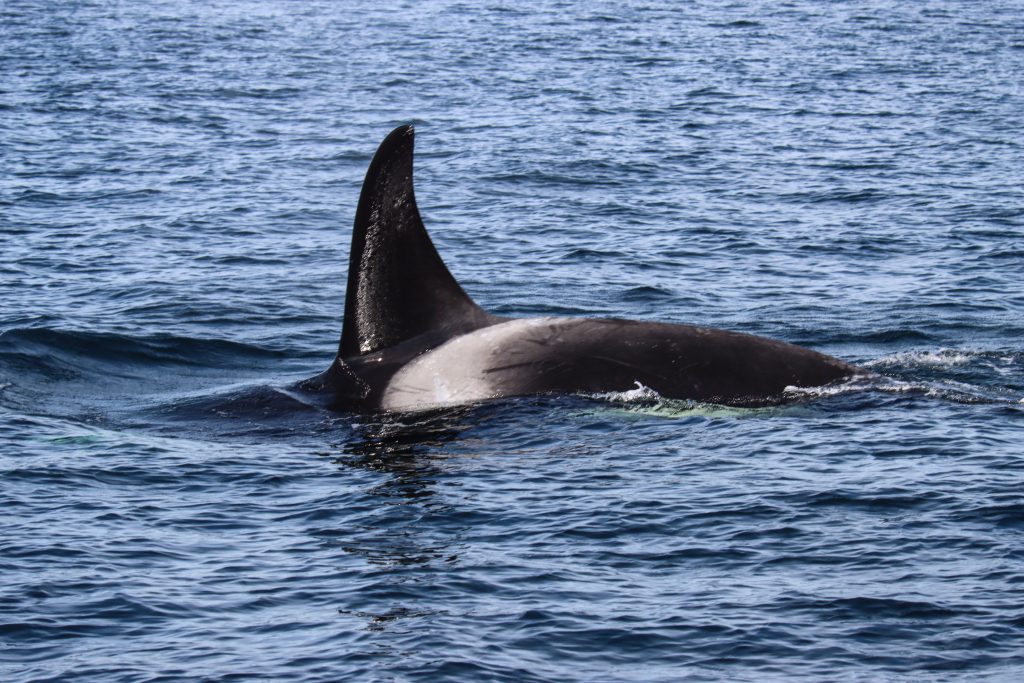
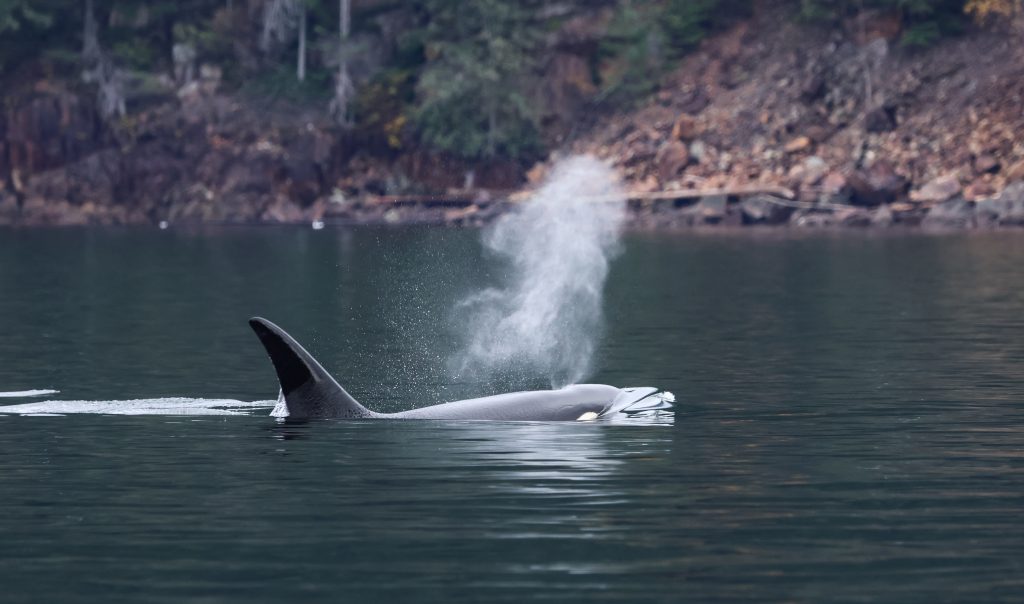
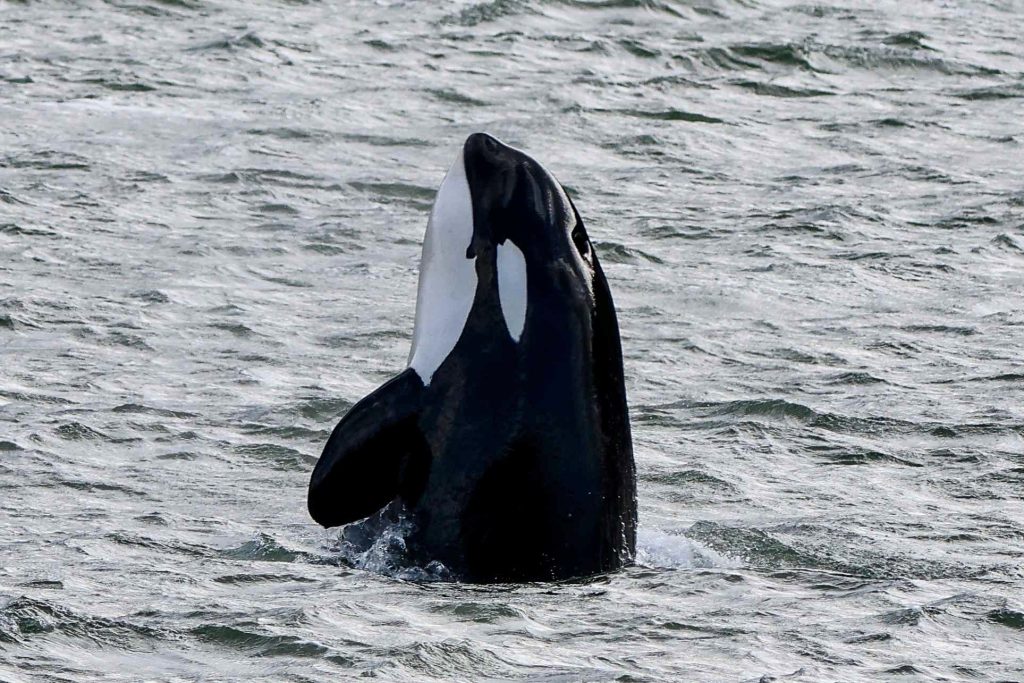
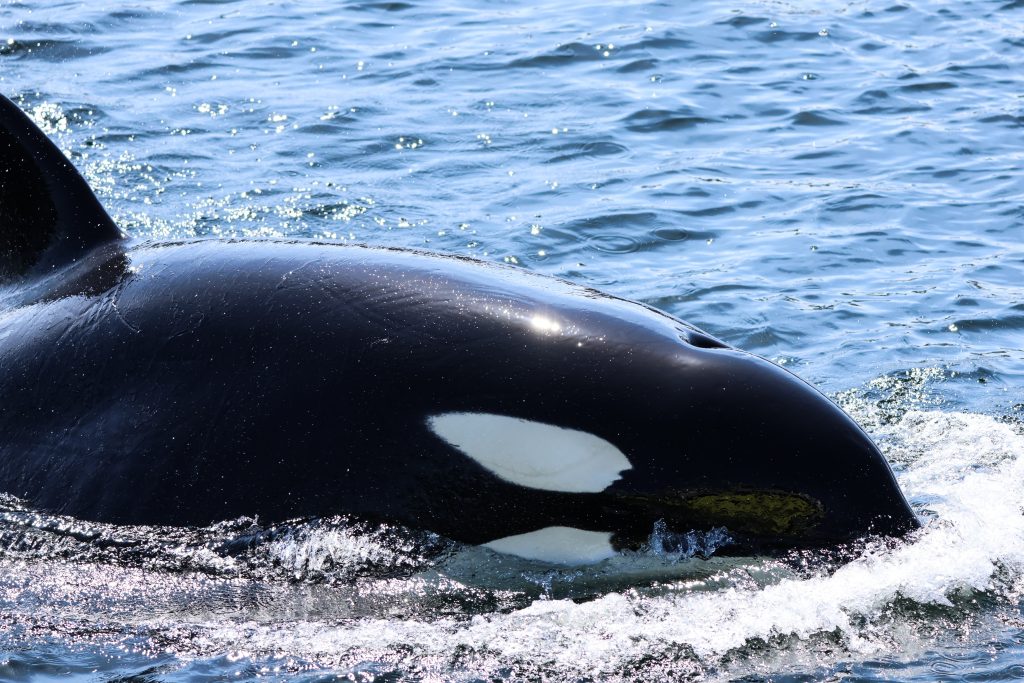
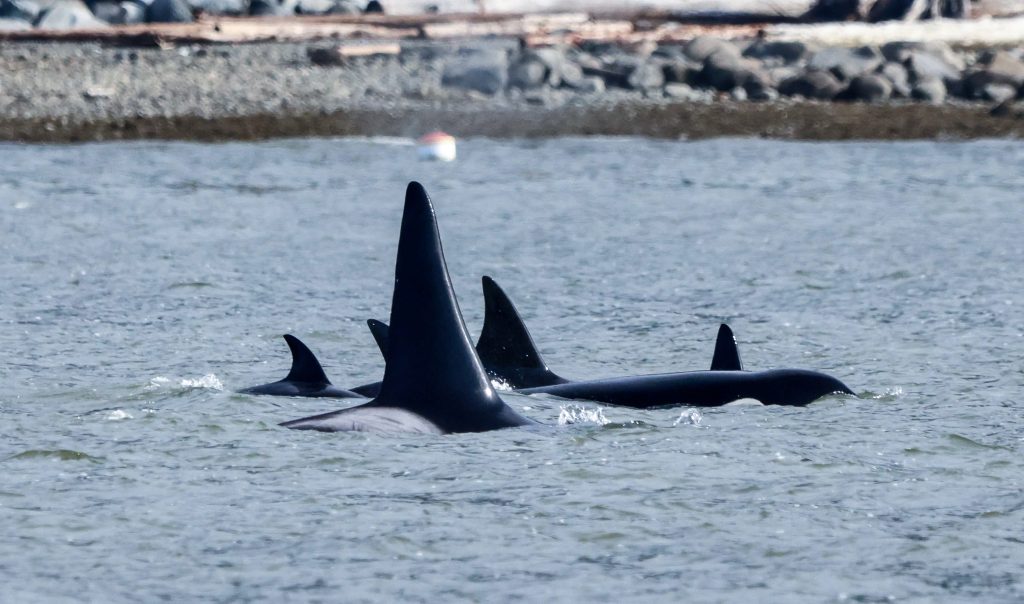
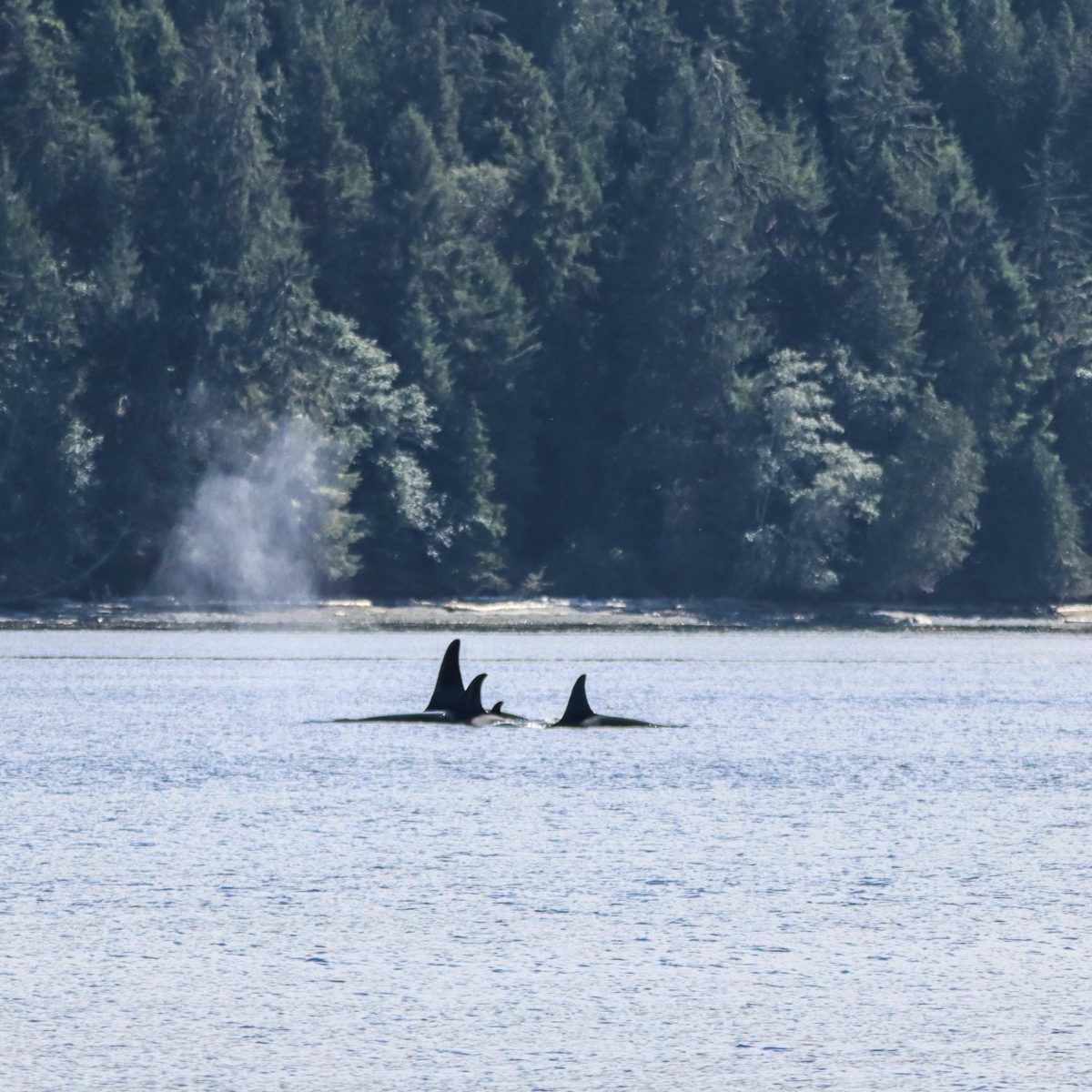
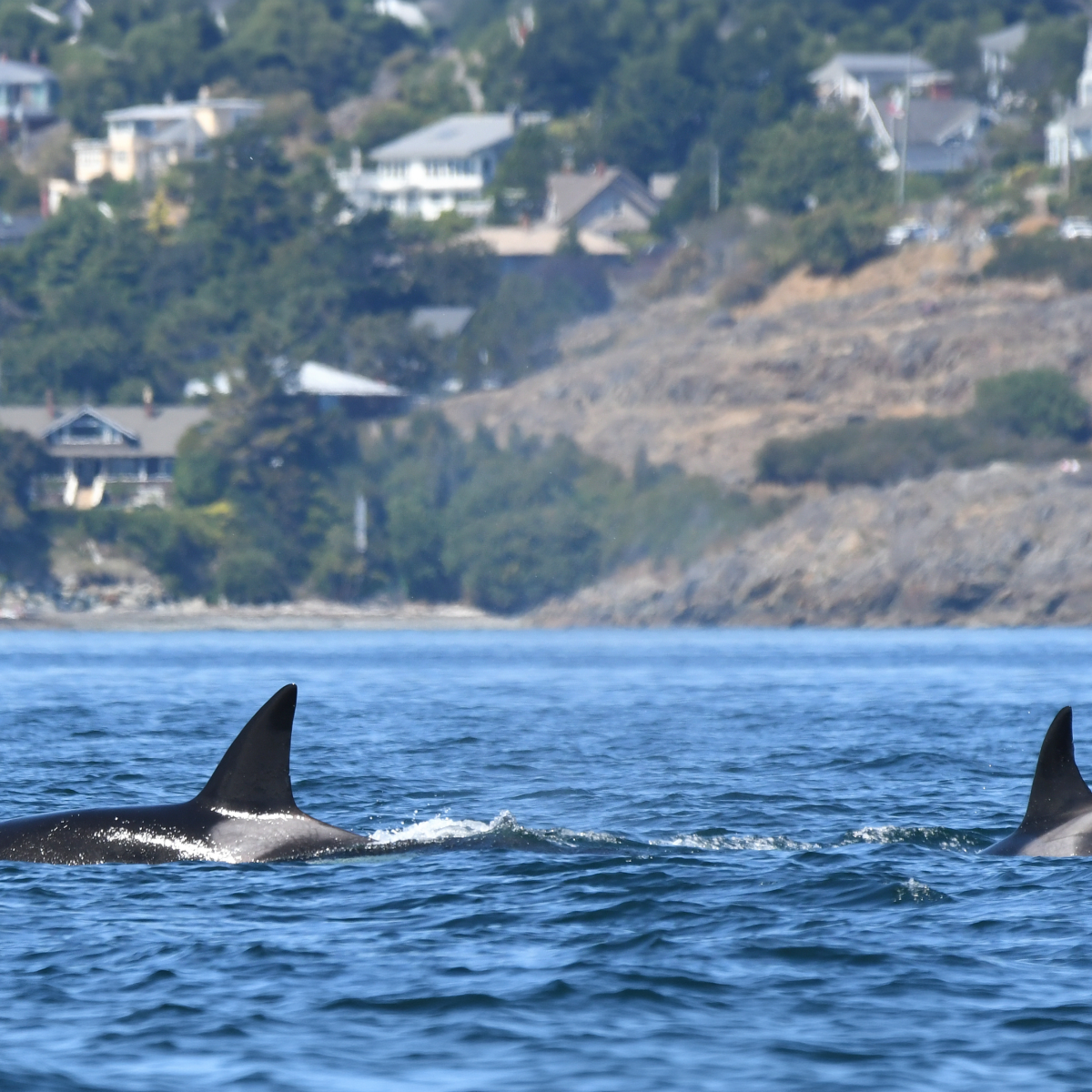
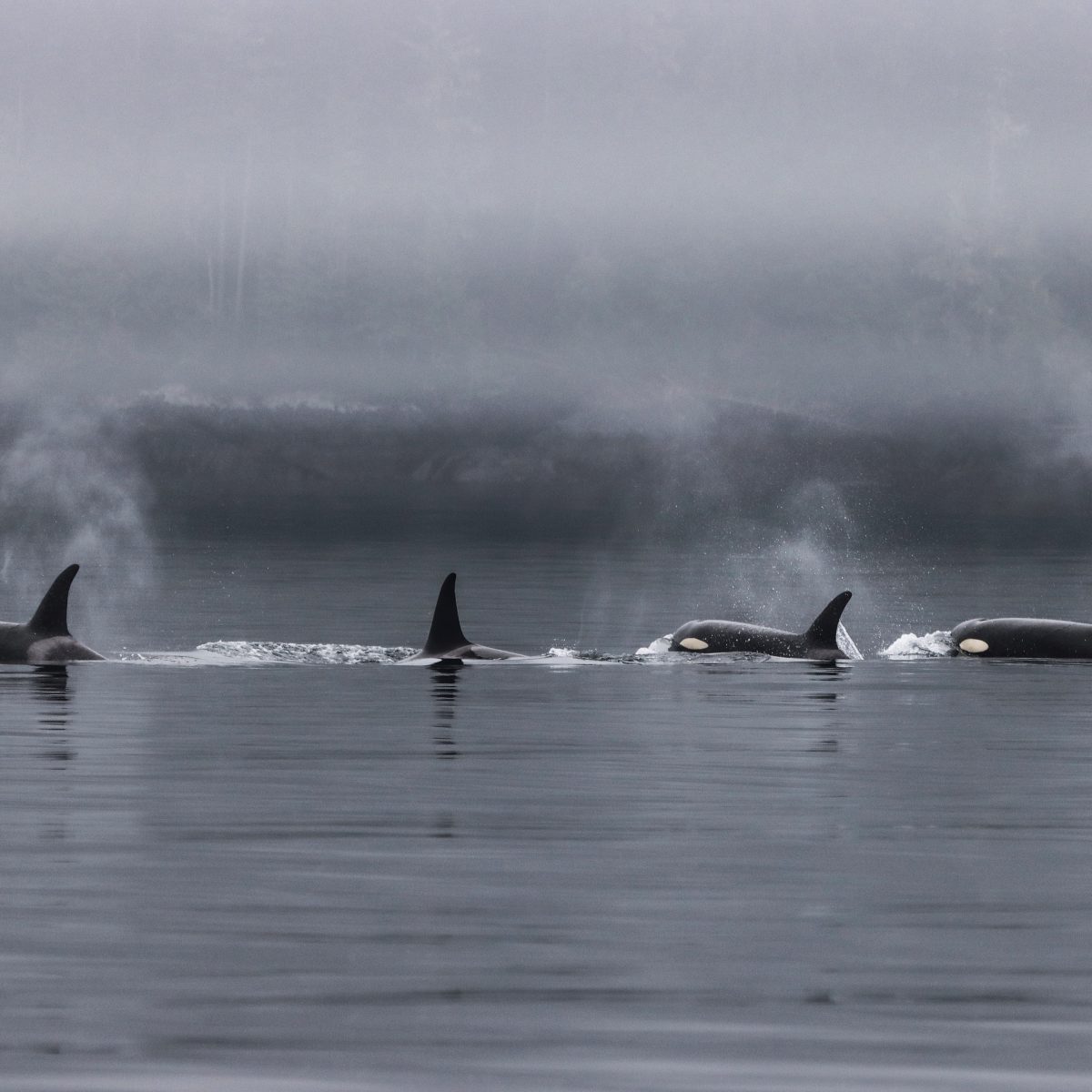
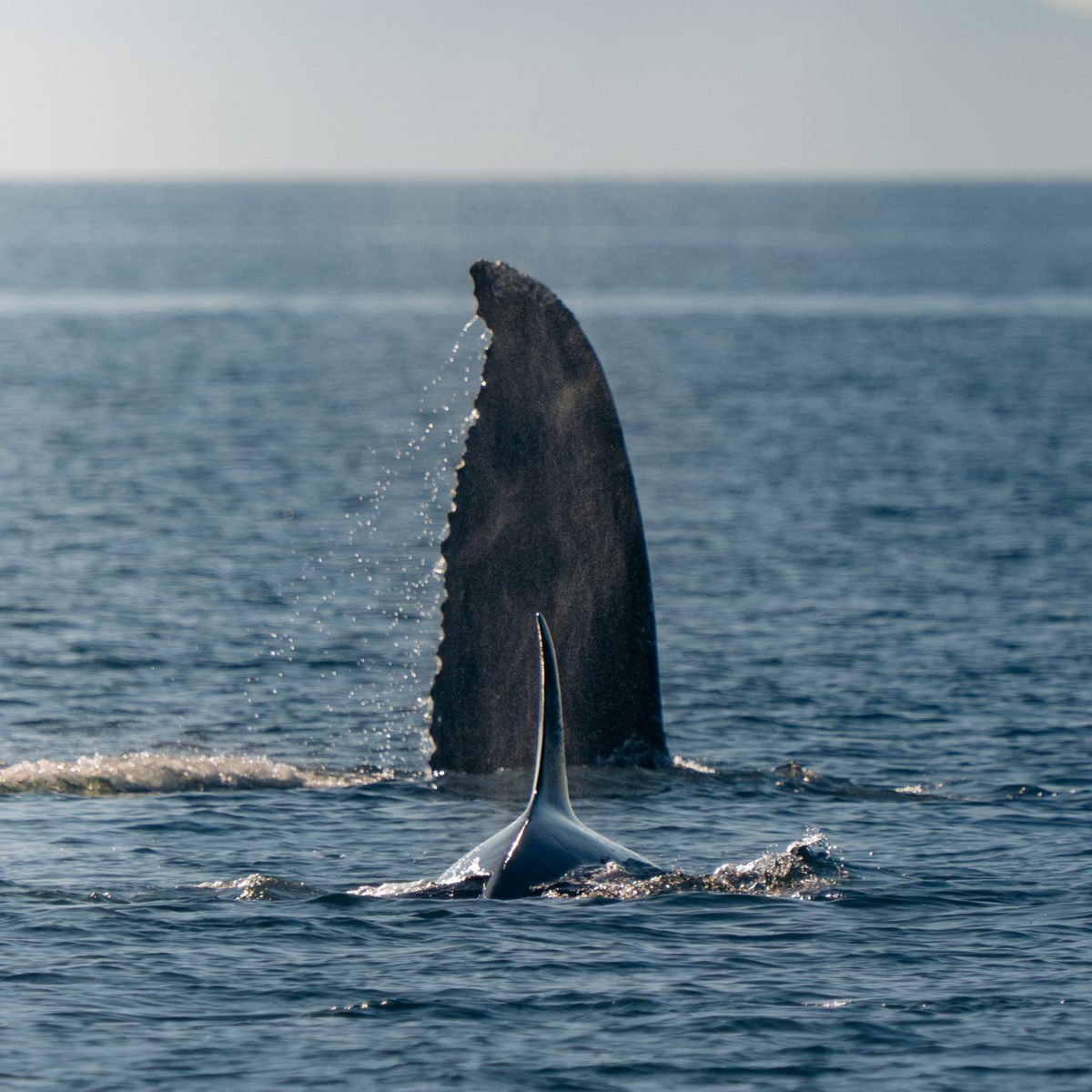
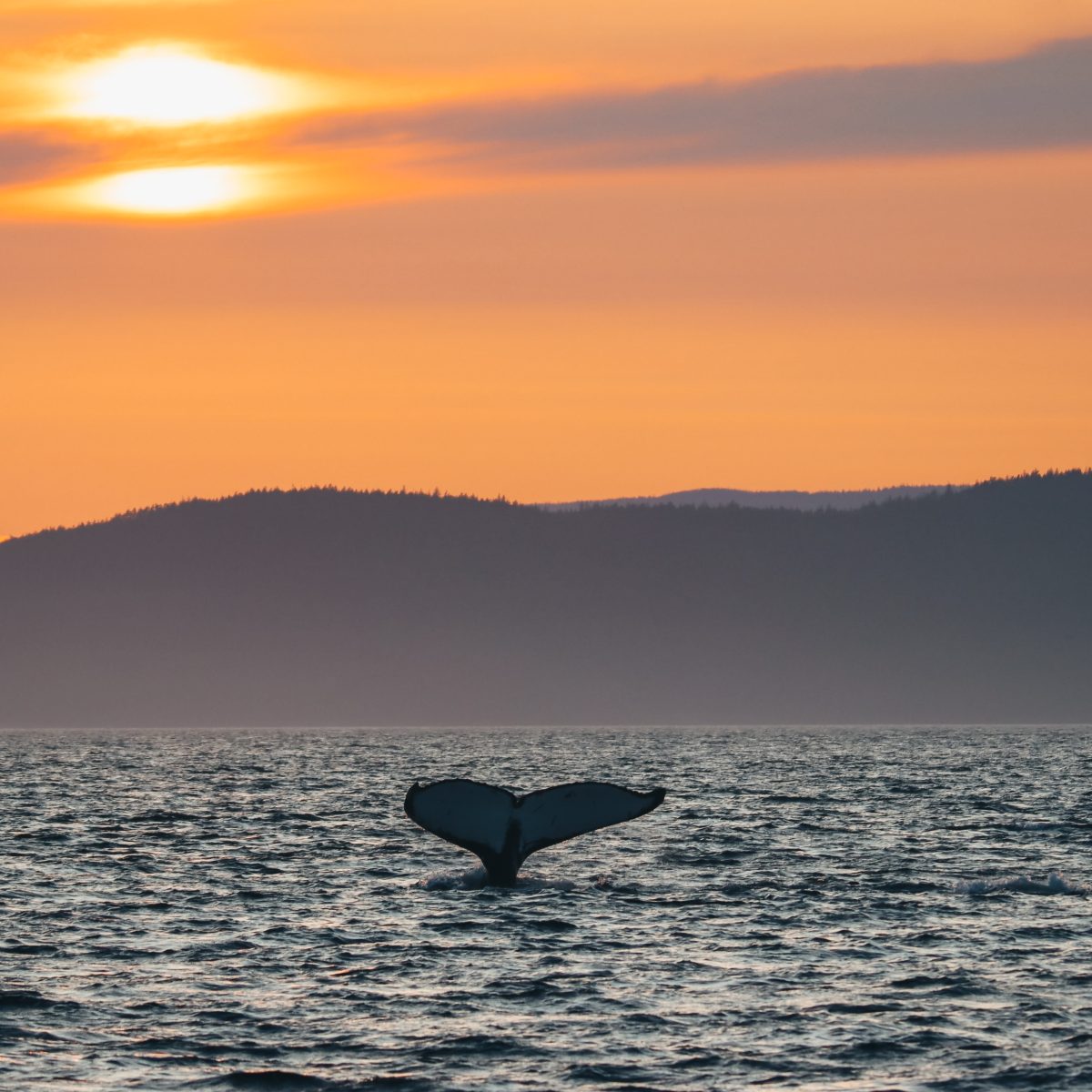
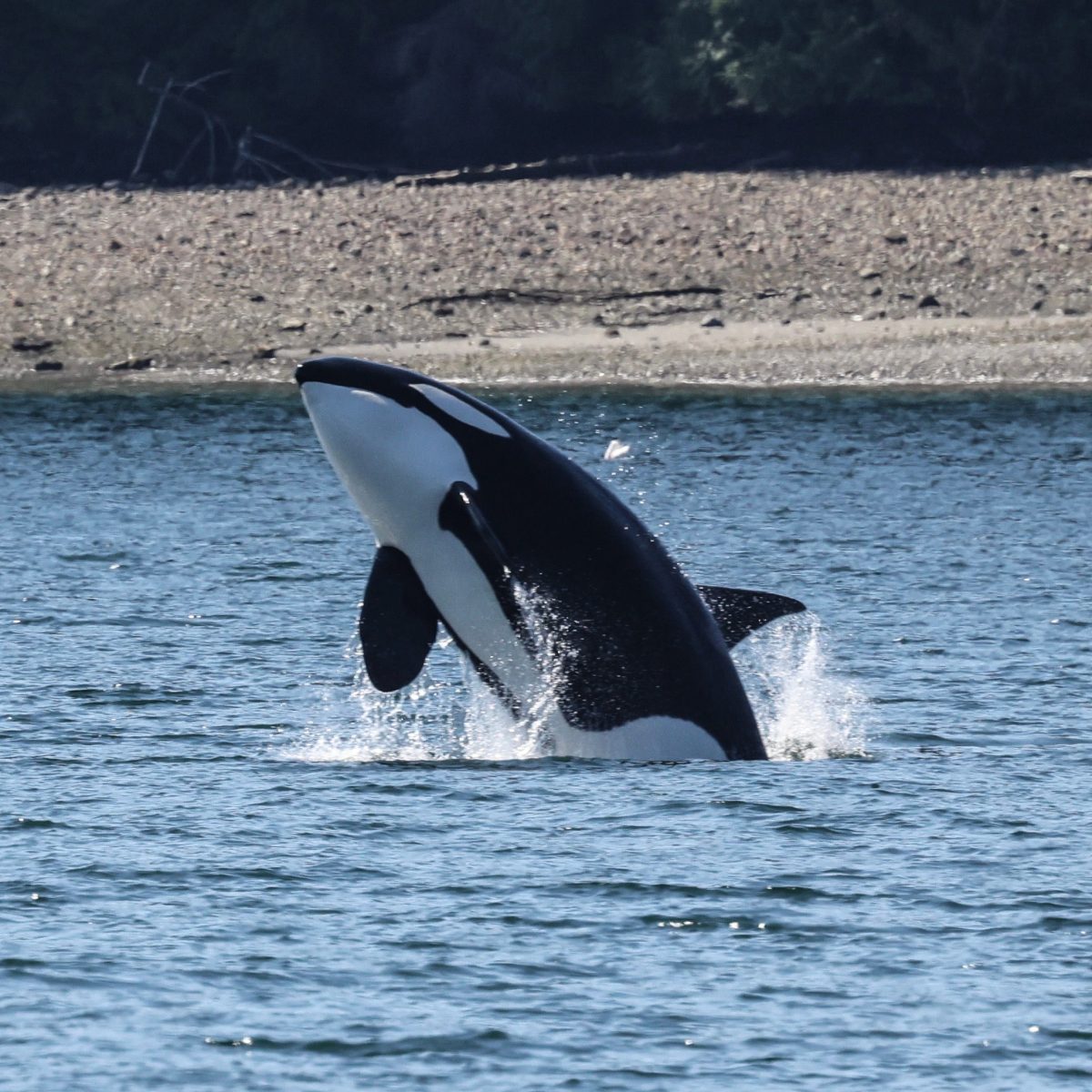
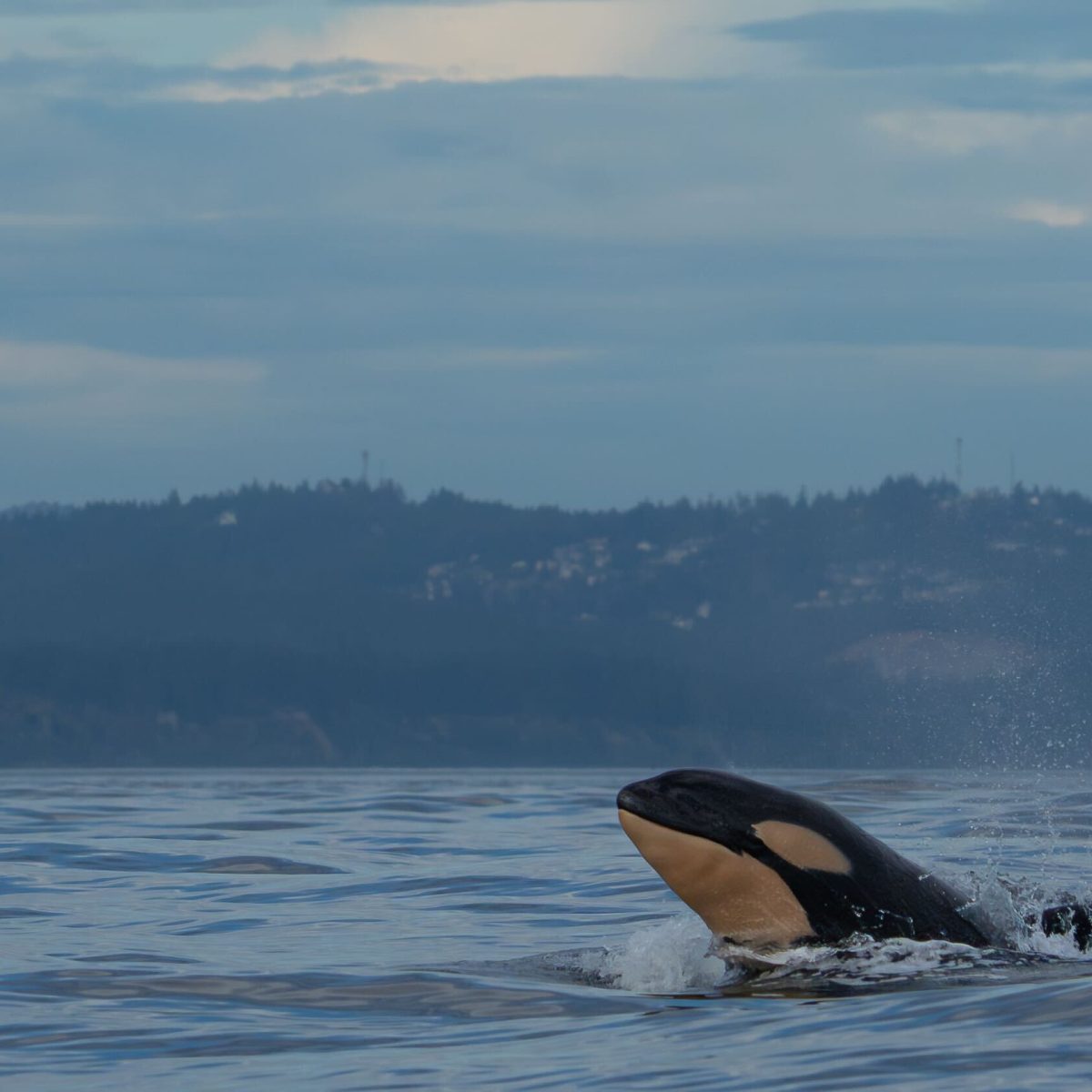
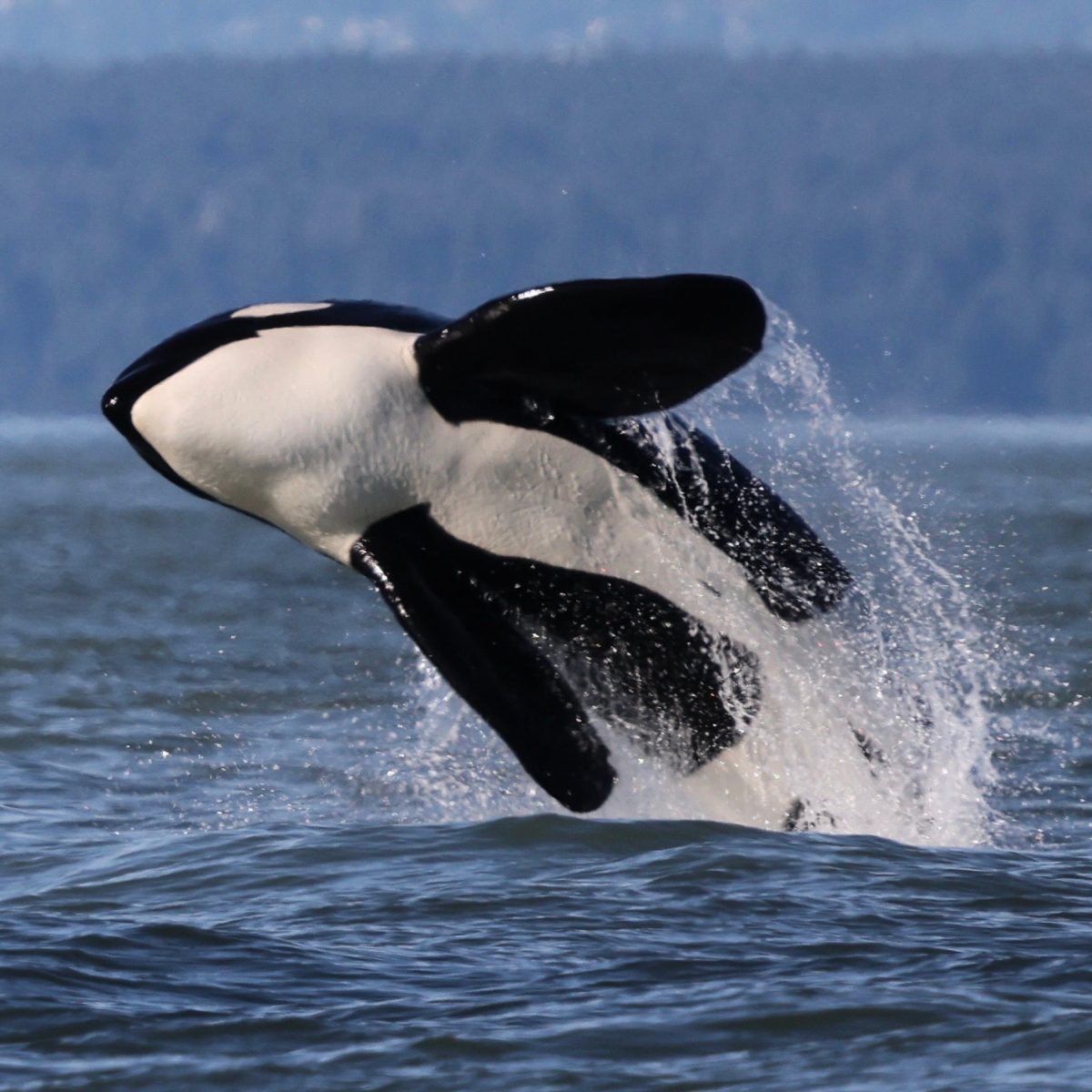
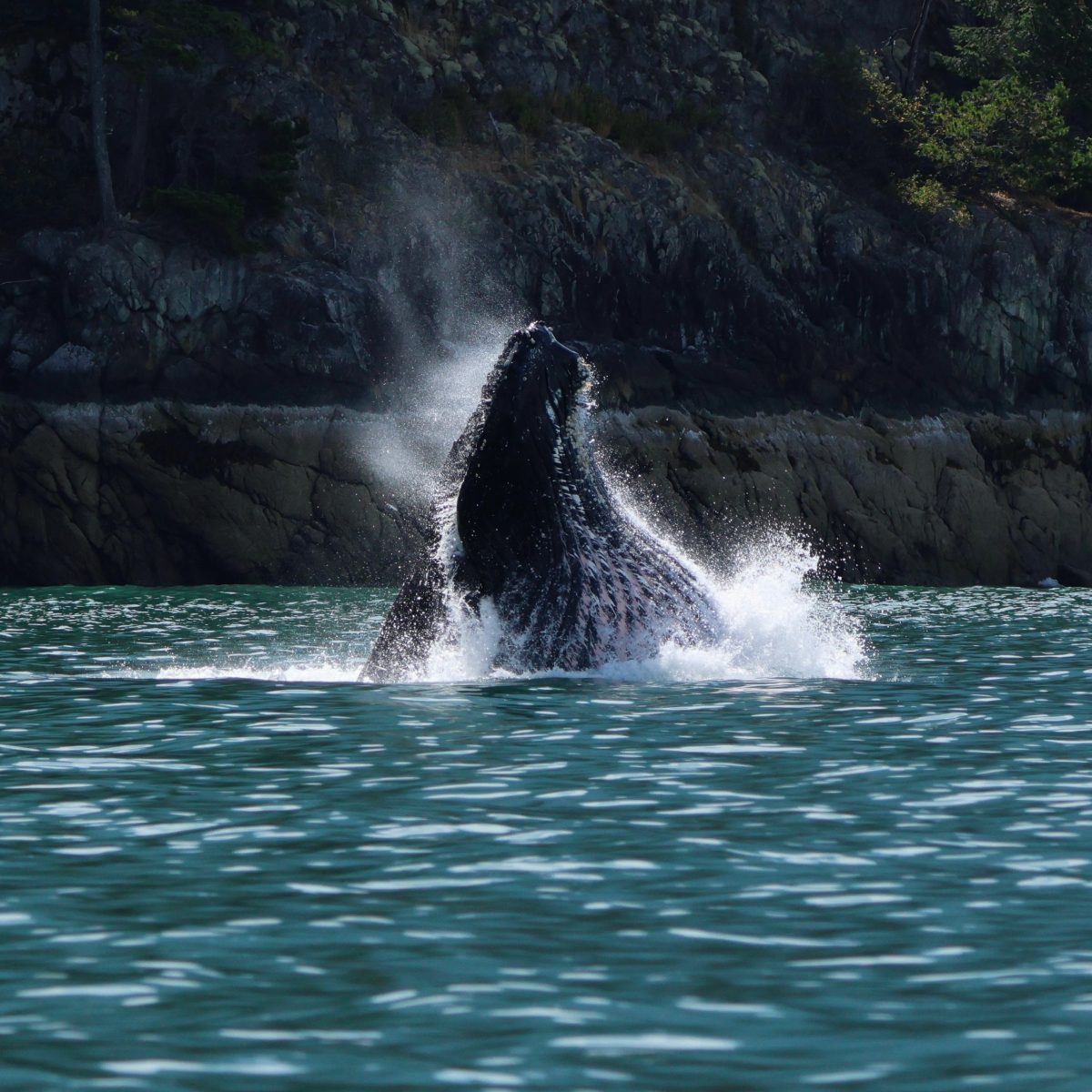
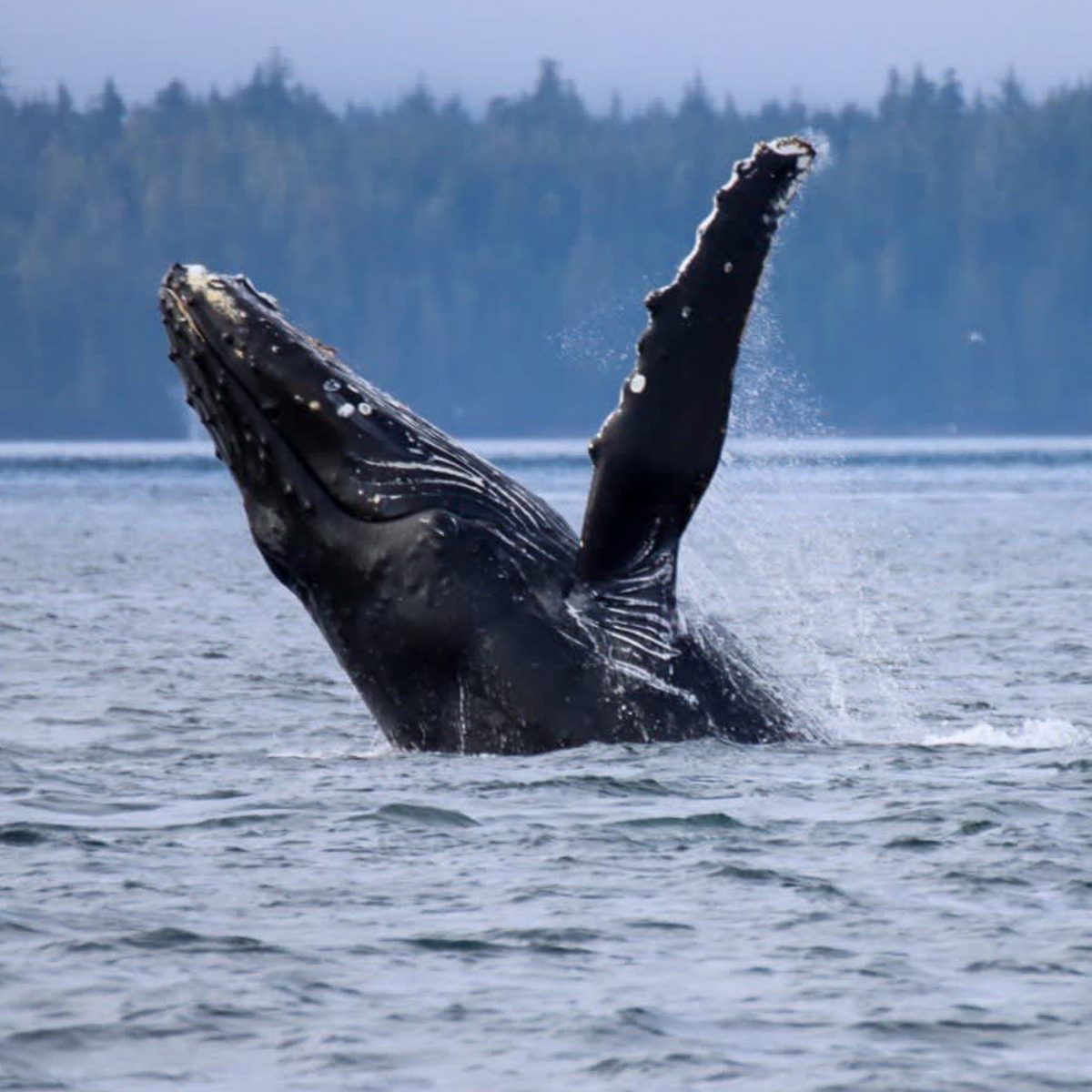
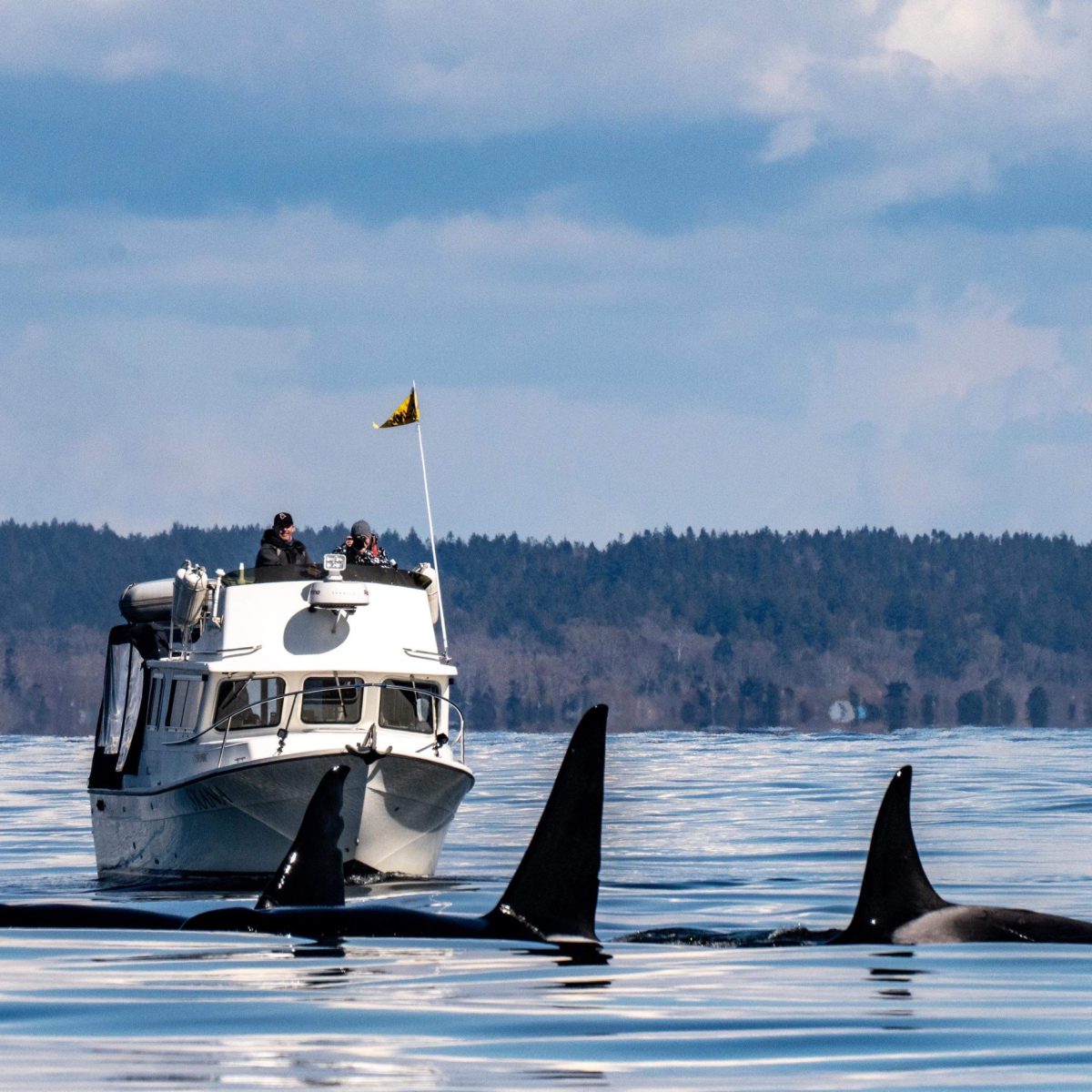
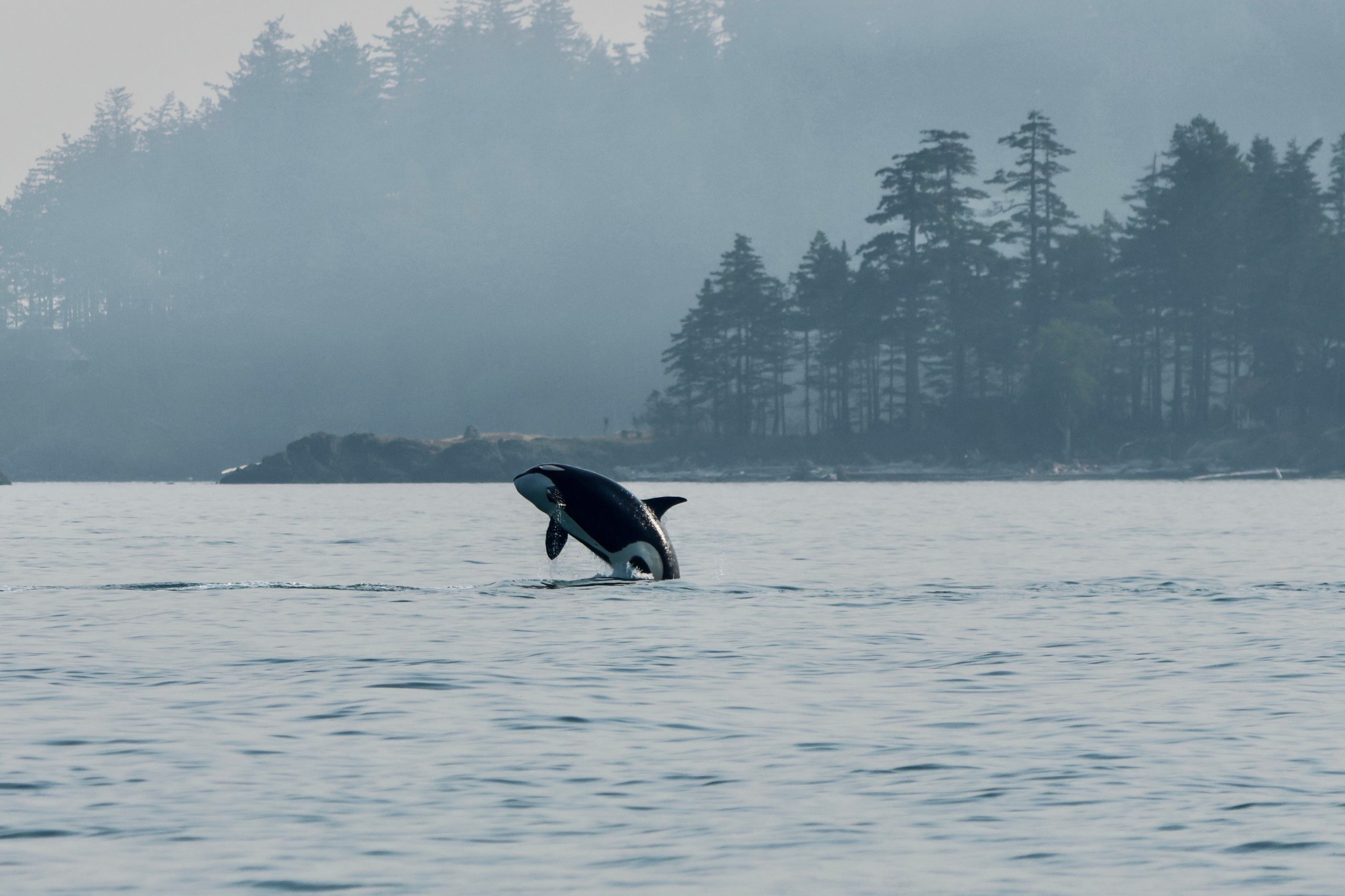
Important note: We do not watch Southern Resident killer whales on our tours. This is a deliberate choice to support ongoing conservation efforts. Please note that we do not share any pictures of Southern Resident Killer Whales, the orcas pictured above are Northern Residents.
Bigg’s (Transient) Killer Whales
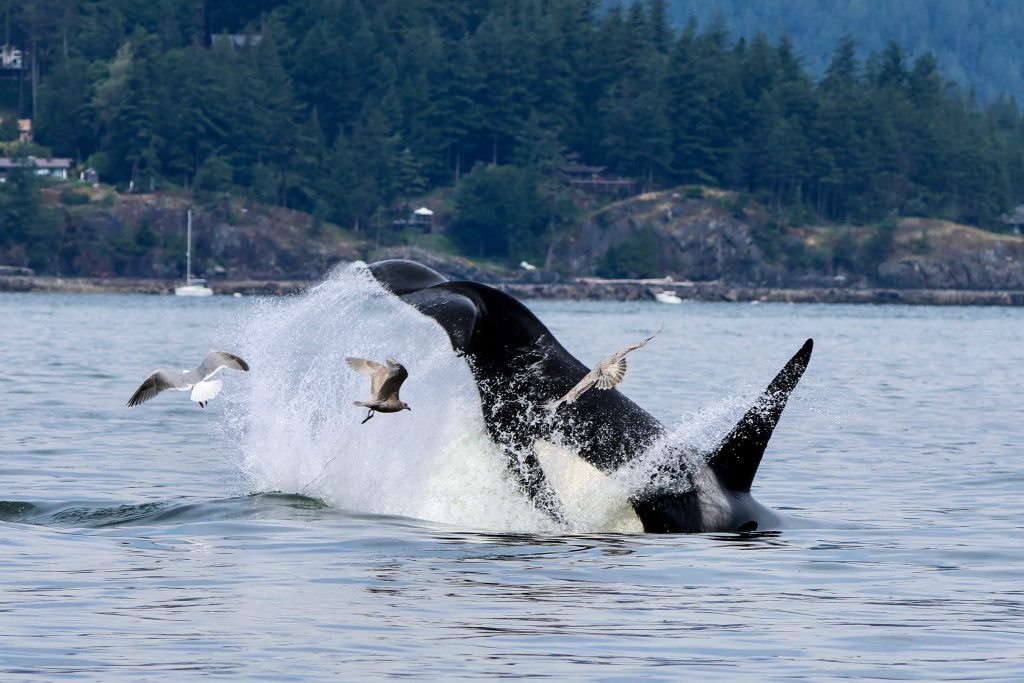
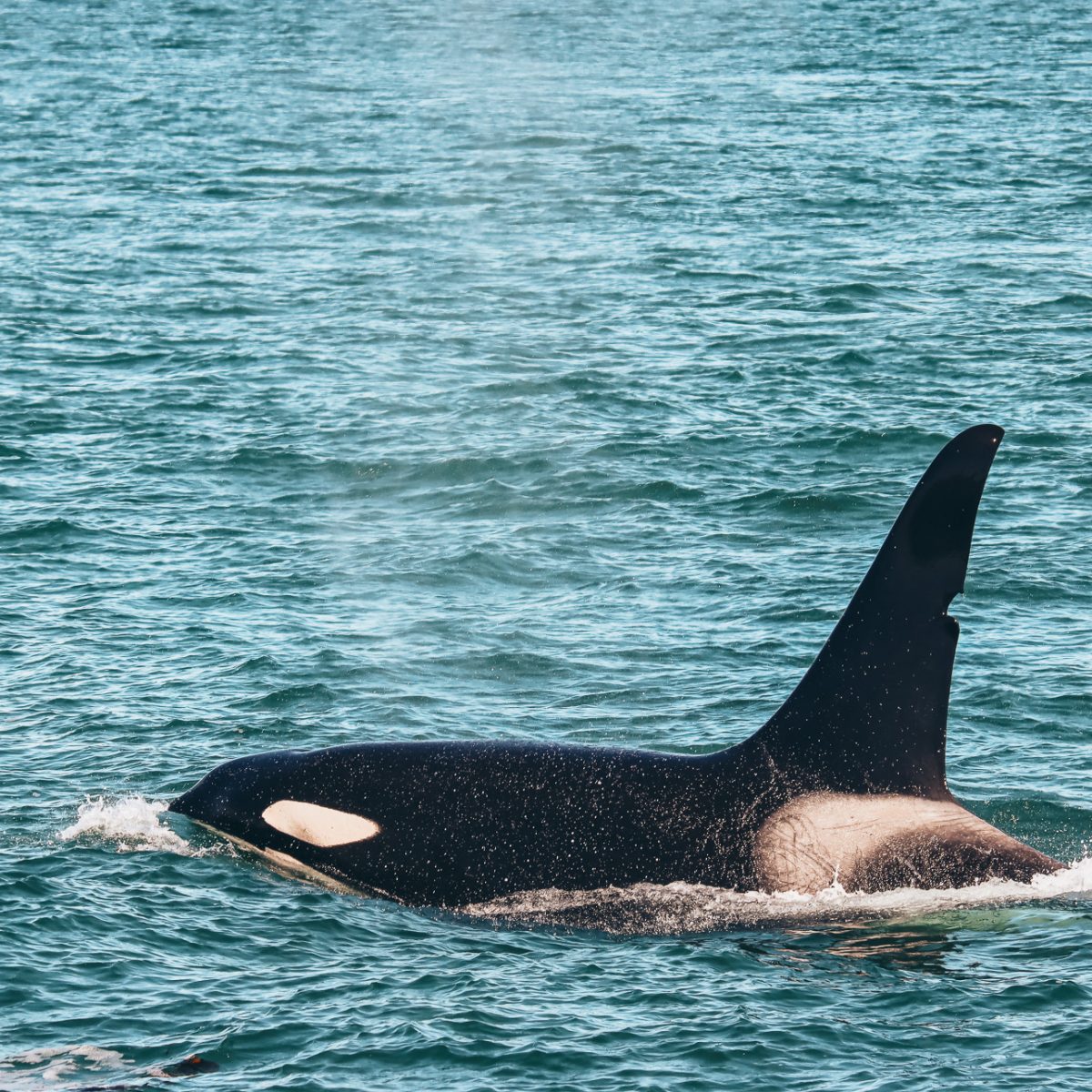
Bigg’s orcas have the largest population in the sea and are the most common orcas in the region. Biggs are generalist hunters, their diets consist of a variety of mammals. Including preying on seals, sea lions, and occasionally porpoises. Their foraging behaviour is often stealthy and purposeful. While hunting, they perform long, quiet dives followed by sudden bursts of activity. Because their prey doesn’t rely on echolocation to detect predators, Bigg’s orcas tend to travel silently. Their populations are doing great, and these are the killer whales you will see during a tour!
Key Differences
- Group size & structure:
- Bigg’s: smaller, looser groups
- Residents: larger, tightly bonded family pods
- Movement & surfacing:
- Bigg’s: irregular, less synchronized, can seem unpredictable
- Residents: smooth, consistent, and often synchronized
- Diet:
- Bigg’s: marine mammals (seals, sea lions, porpoises)
- Residents: fish, especially Chinook salmon
- Hunting behaviour:
- Bigg’s: quiet and stealthy while hunting
- Residents: more vocal, using echolocation to find fish
- Dorsal fin shape:
- Bigg’s: more pointed
- Residents: more curved or rounded
- Saddle patch (behind dorsal fin):
- Bigg’s: more solid, closed-looking
- Residents: more varied, open patterns with grey/black mix
Why It Matters
These differences go beyond identification. They reflect two very different ecological roles. Bigg’s orcas have rebounded in recent decades thanks to healthier marine mammal populations. Meanwhile, Southern Residents face ongoing challenges due to the reduced salmon availability. Knowing these key differences helps us protect and conserve this amazing ecotype.