BACK
BACK



October 16, 2026

All images by Tobin Sparling
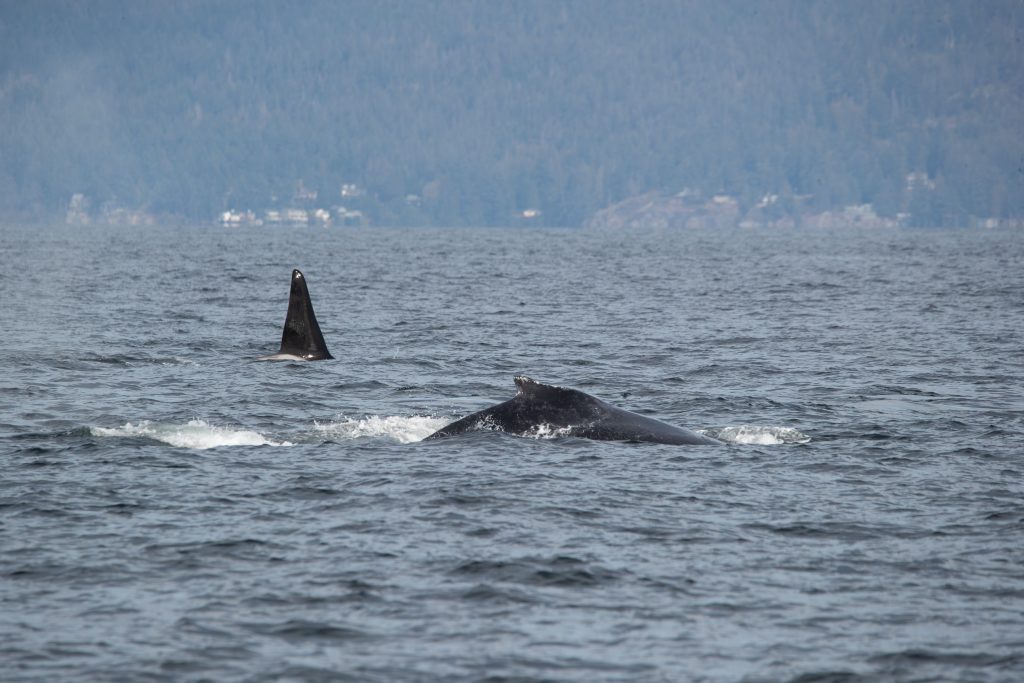
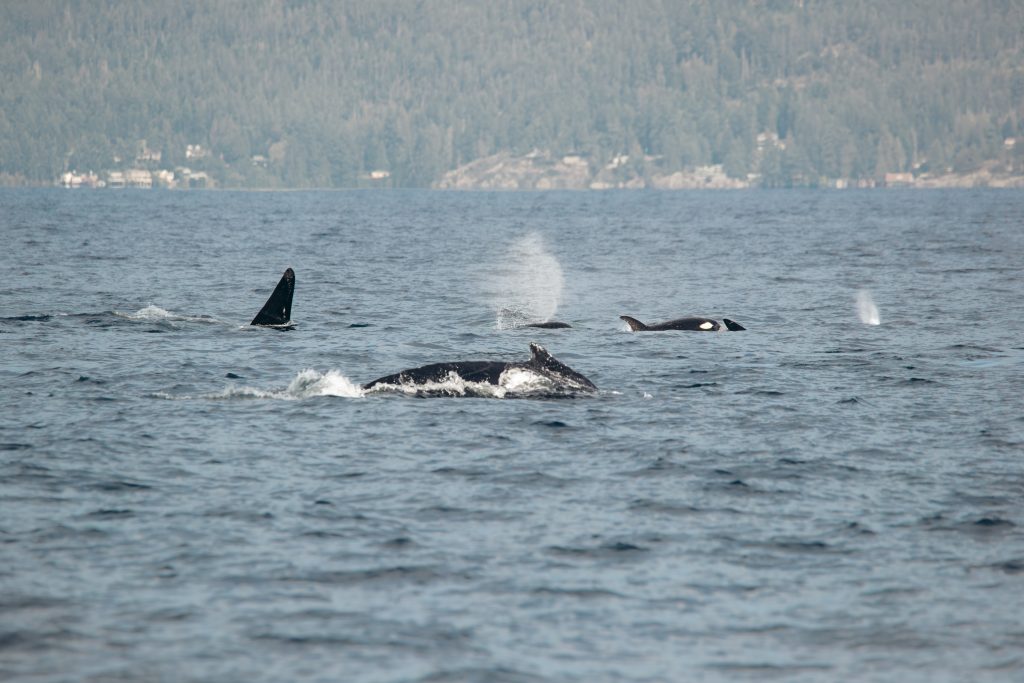
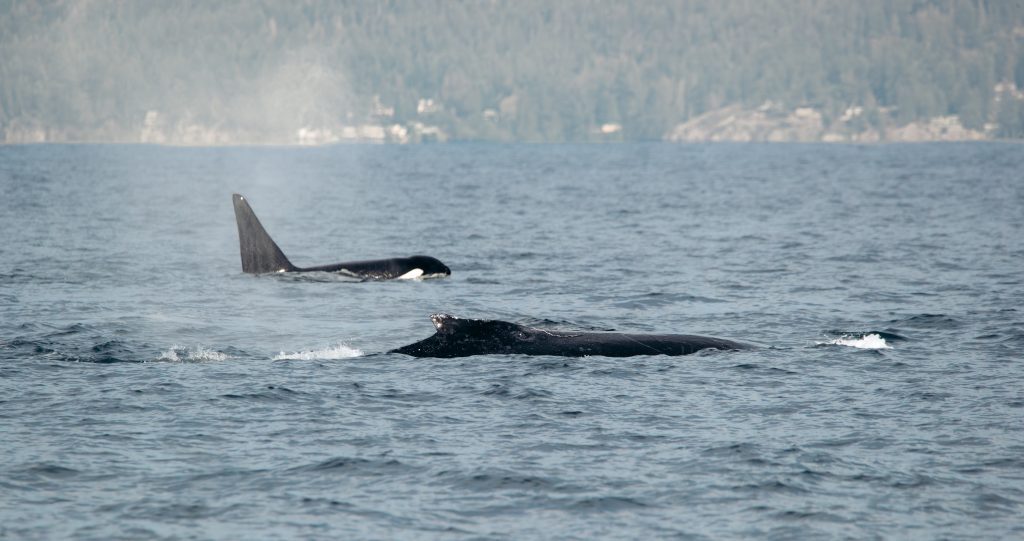
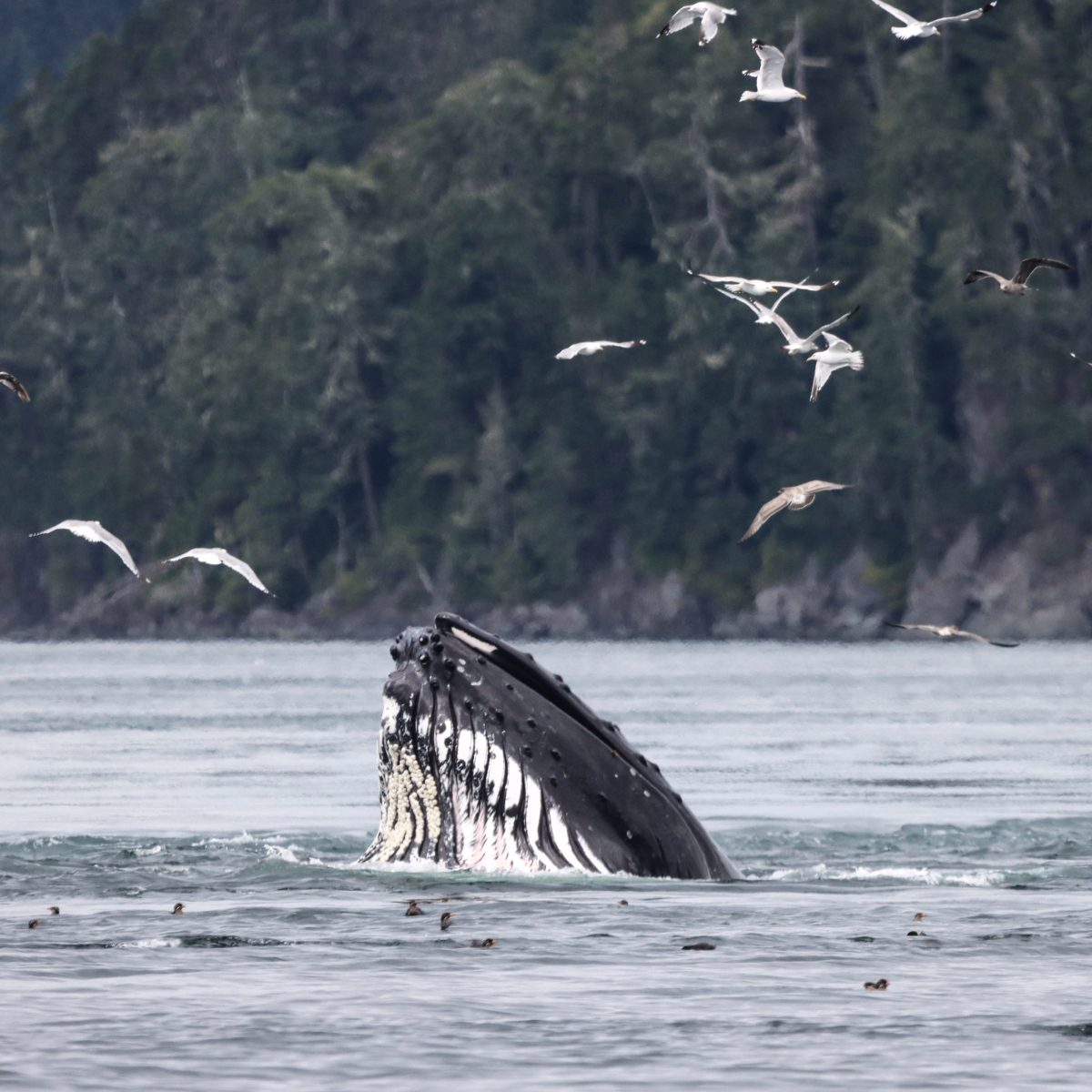
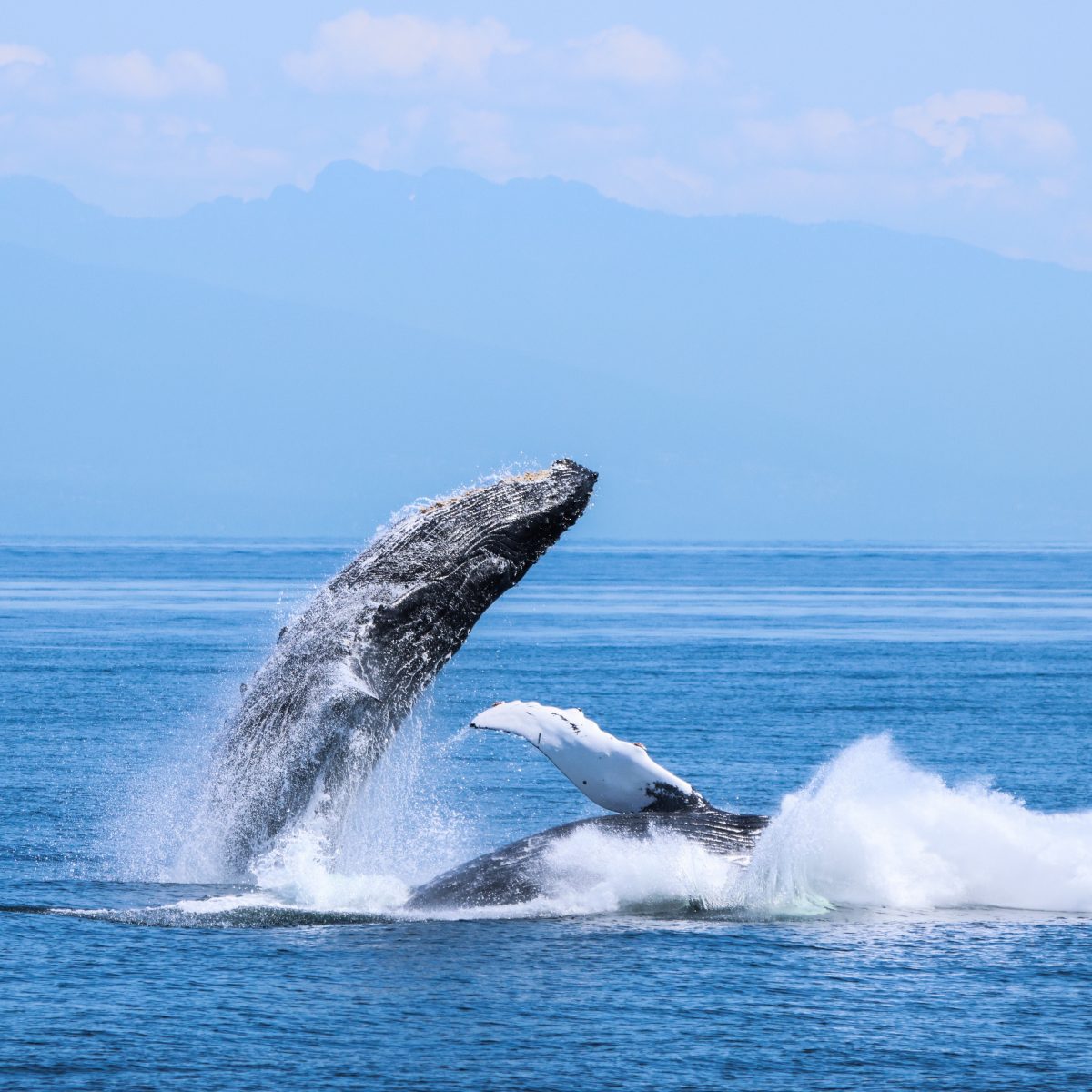
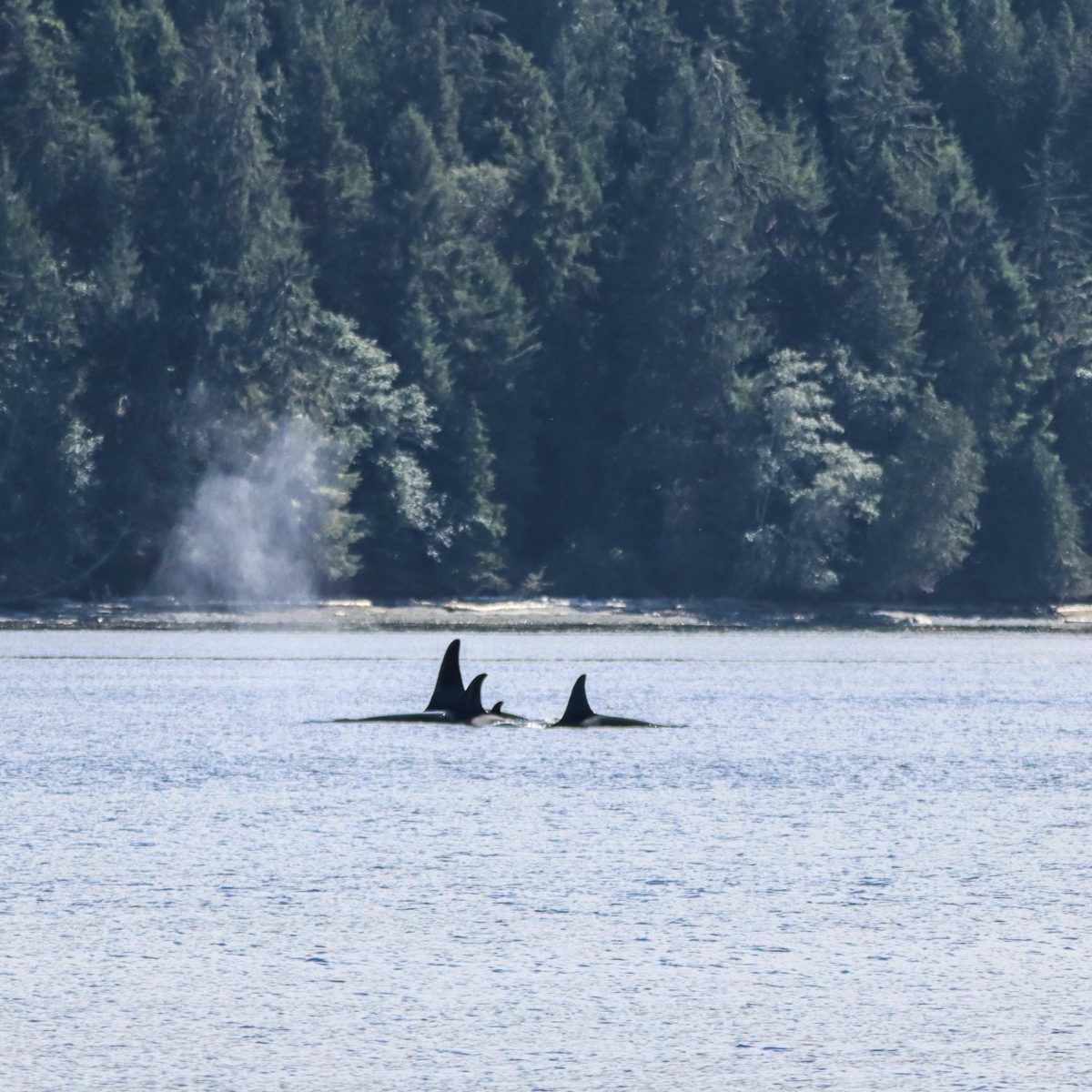
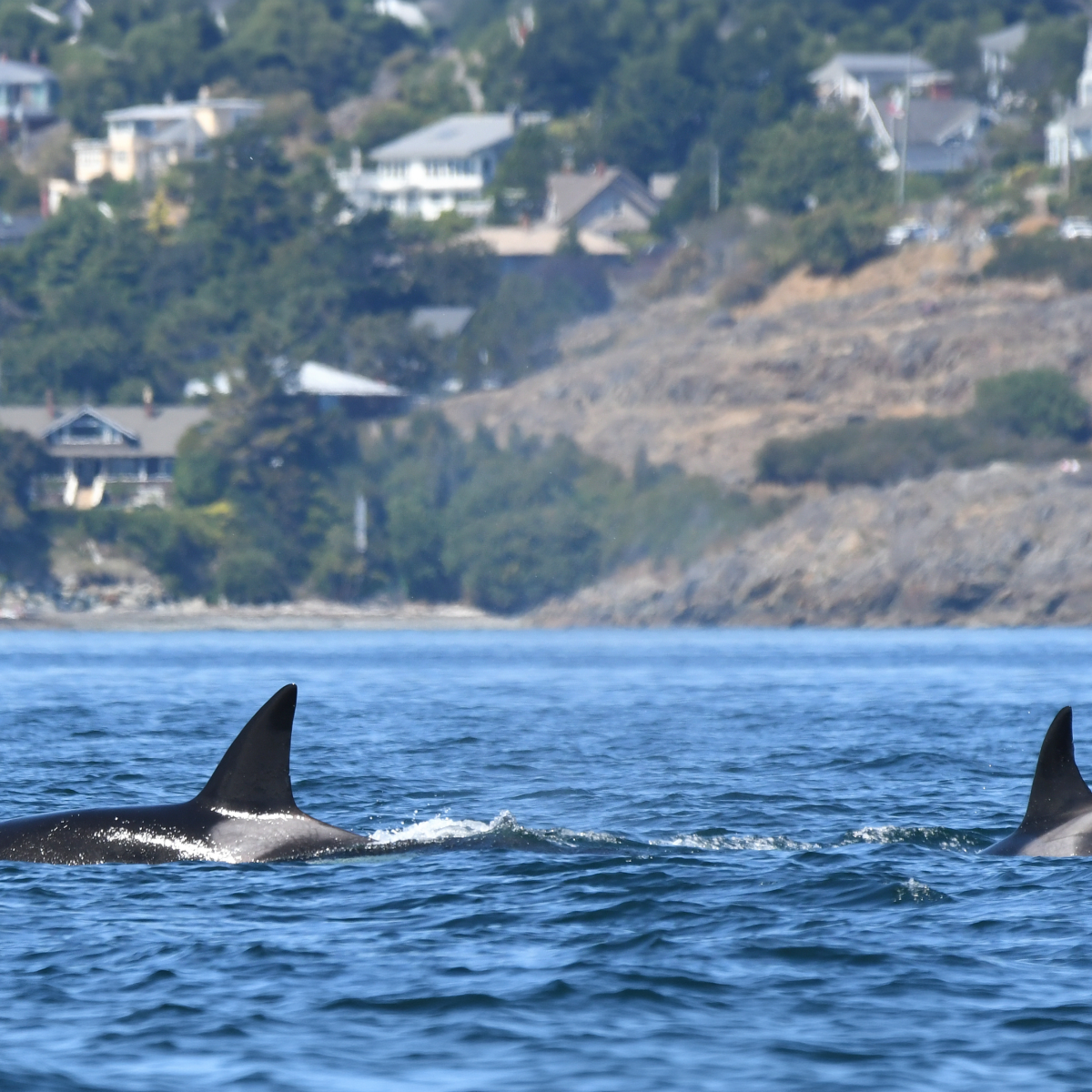
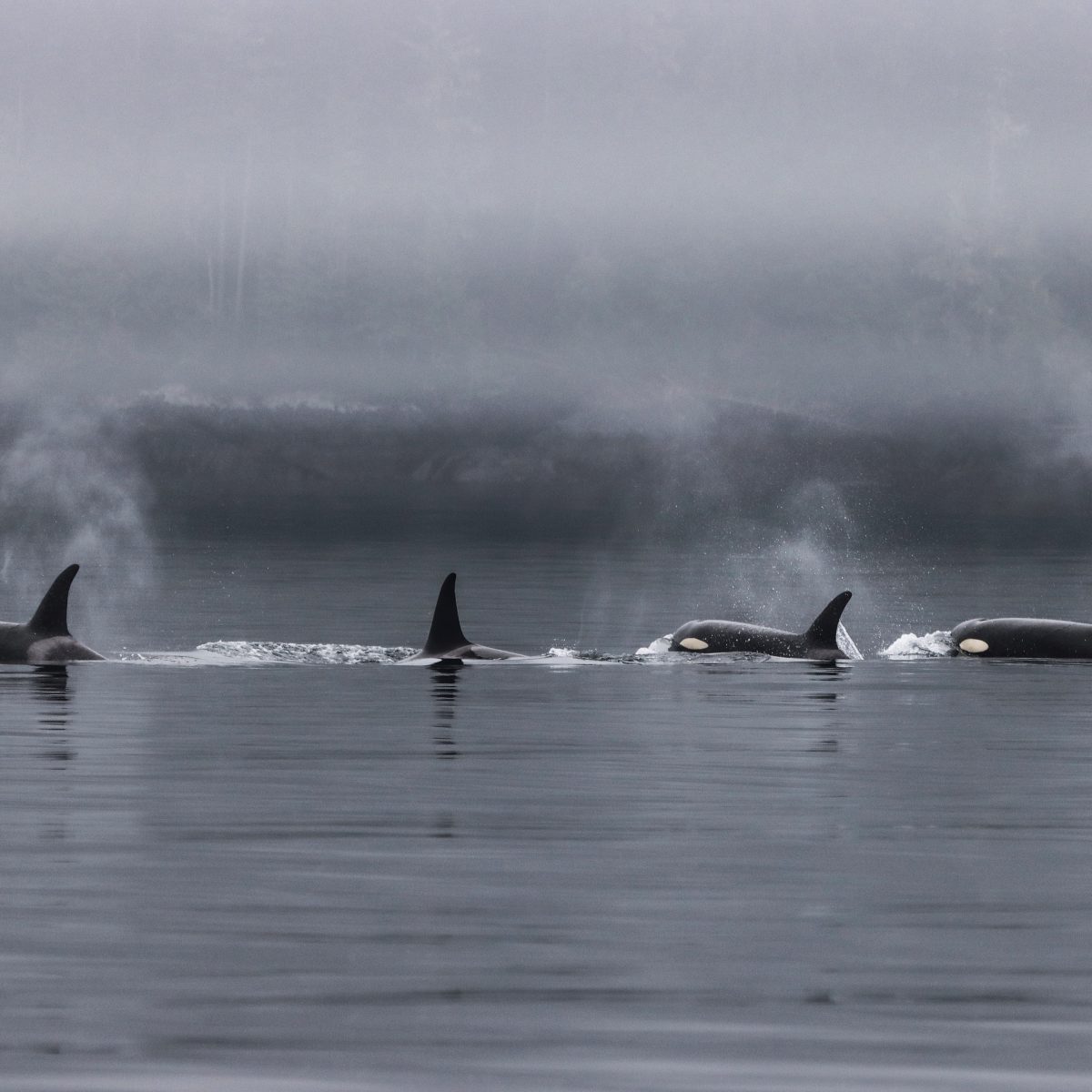
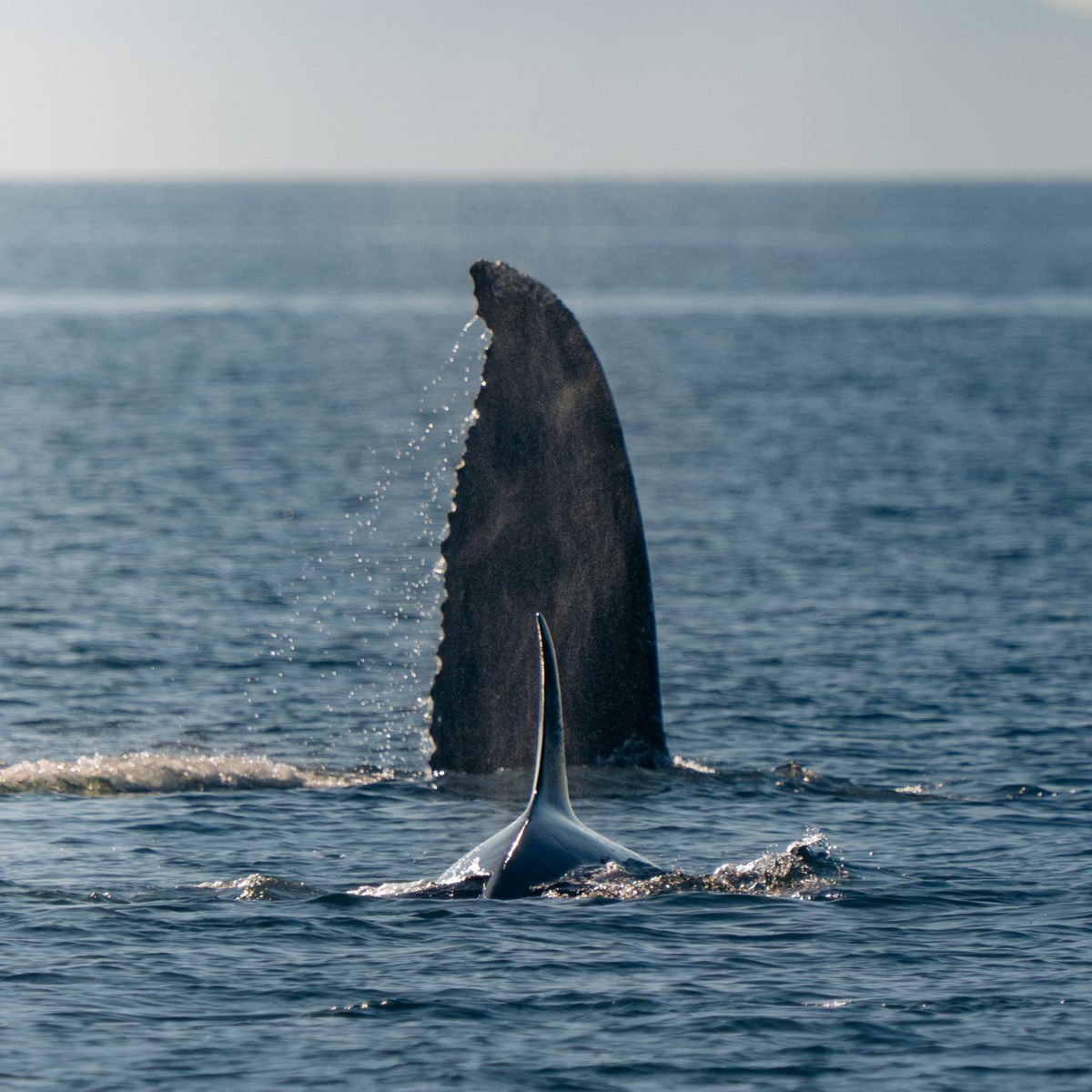
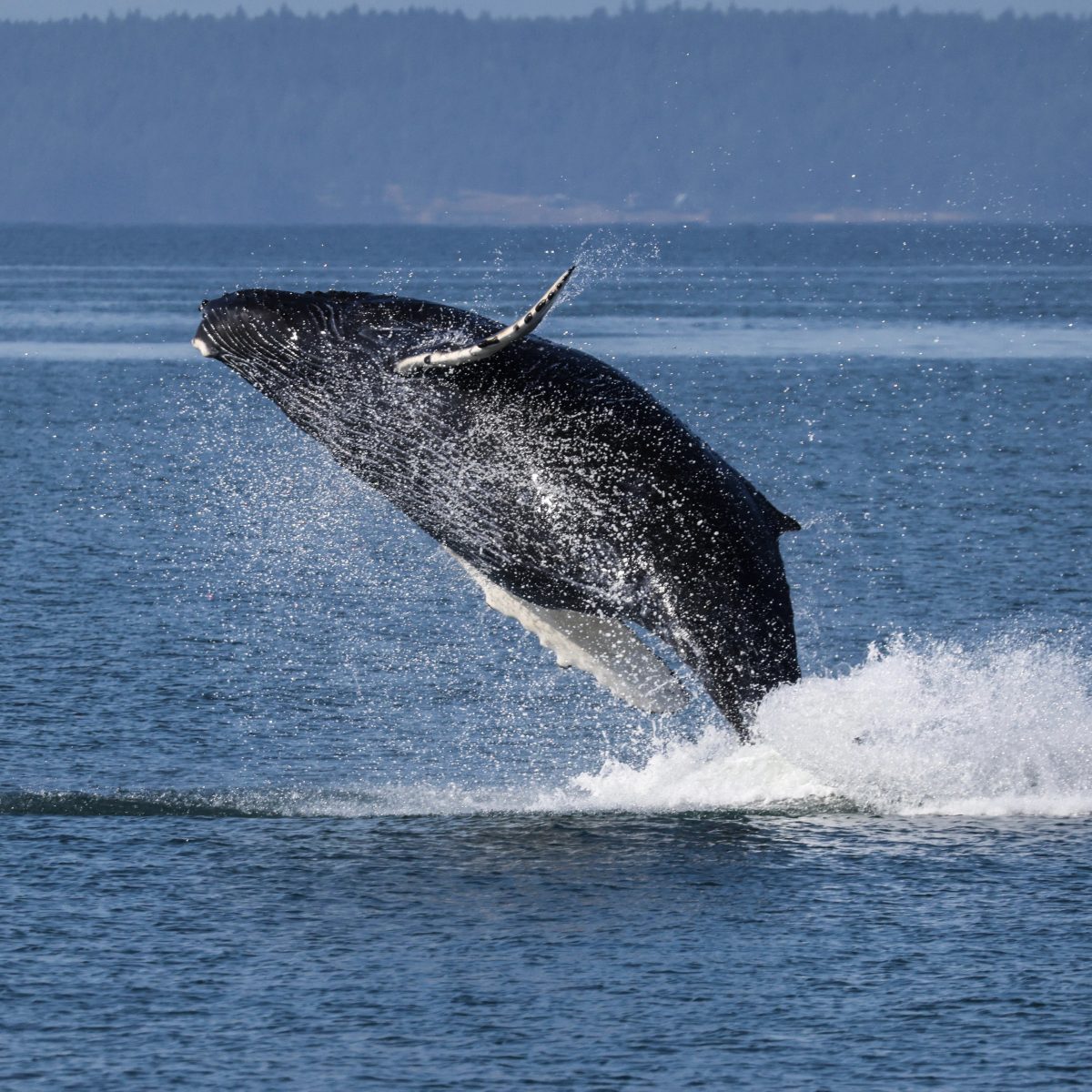
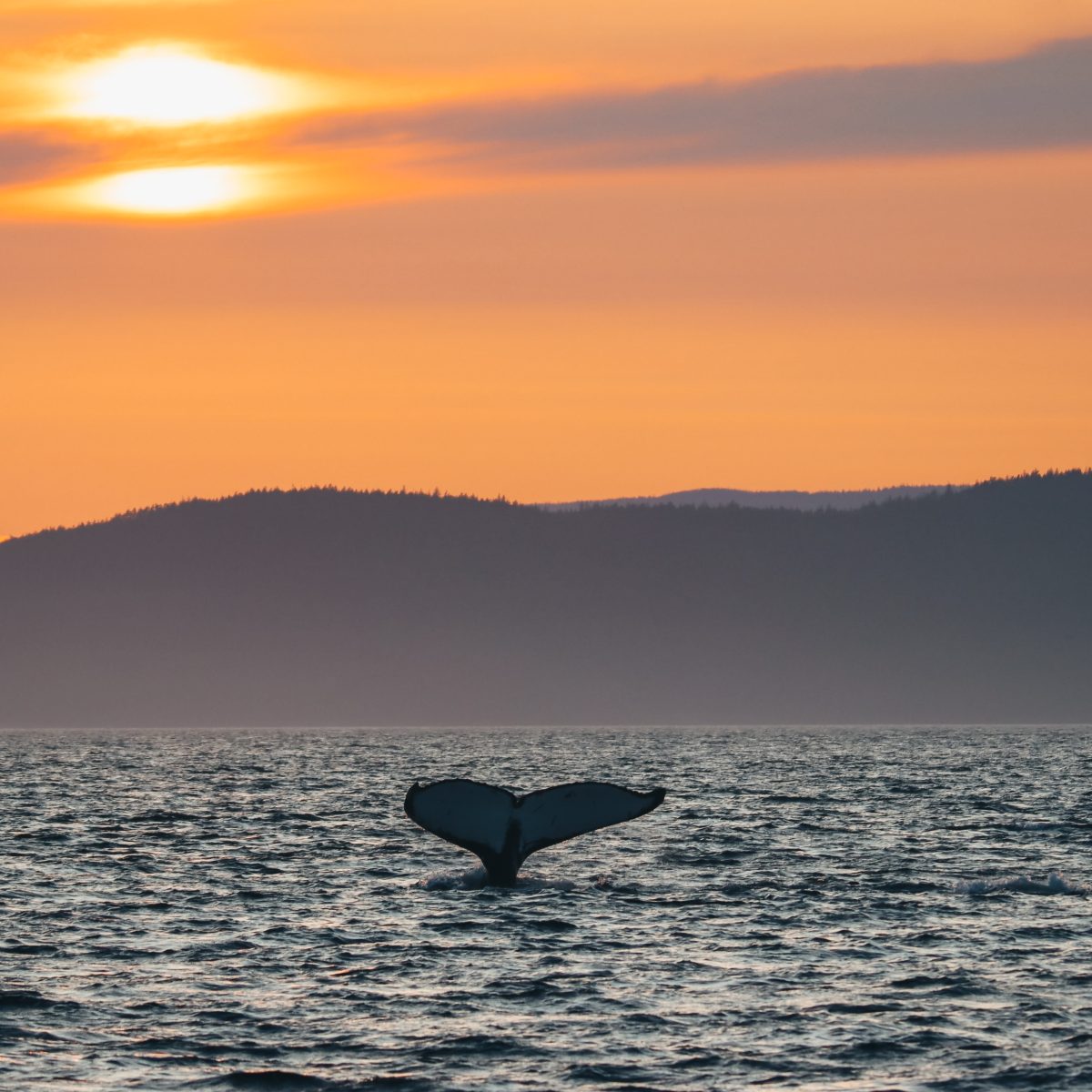
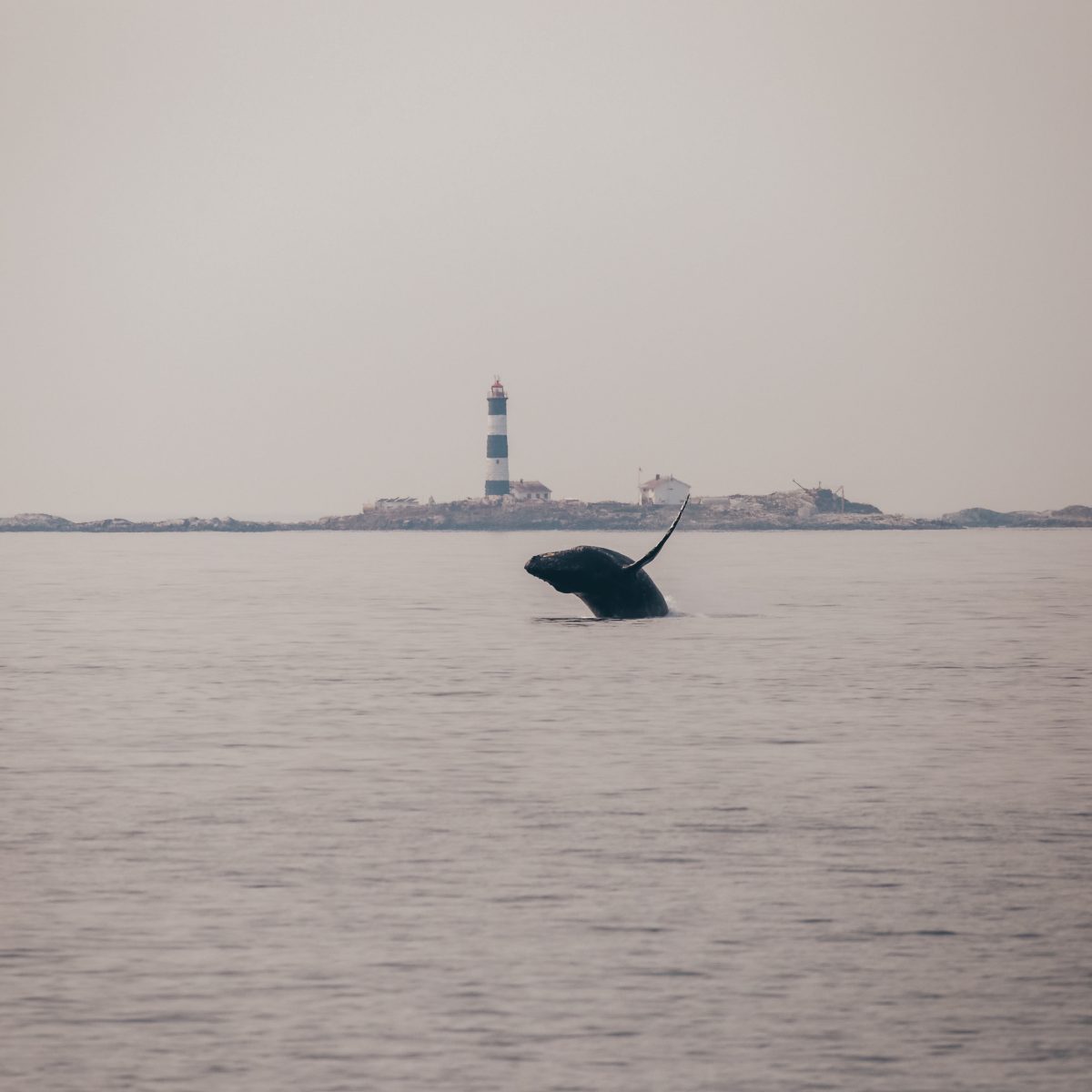
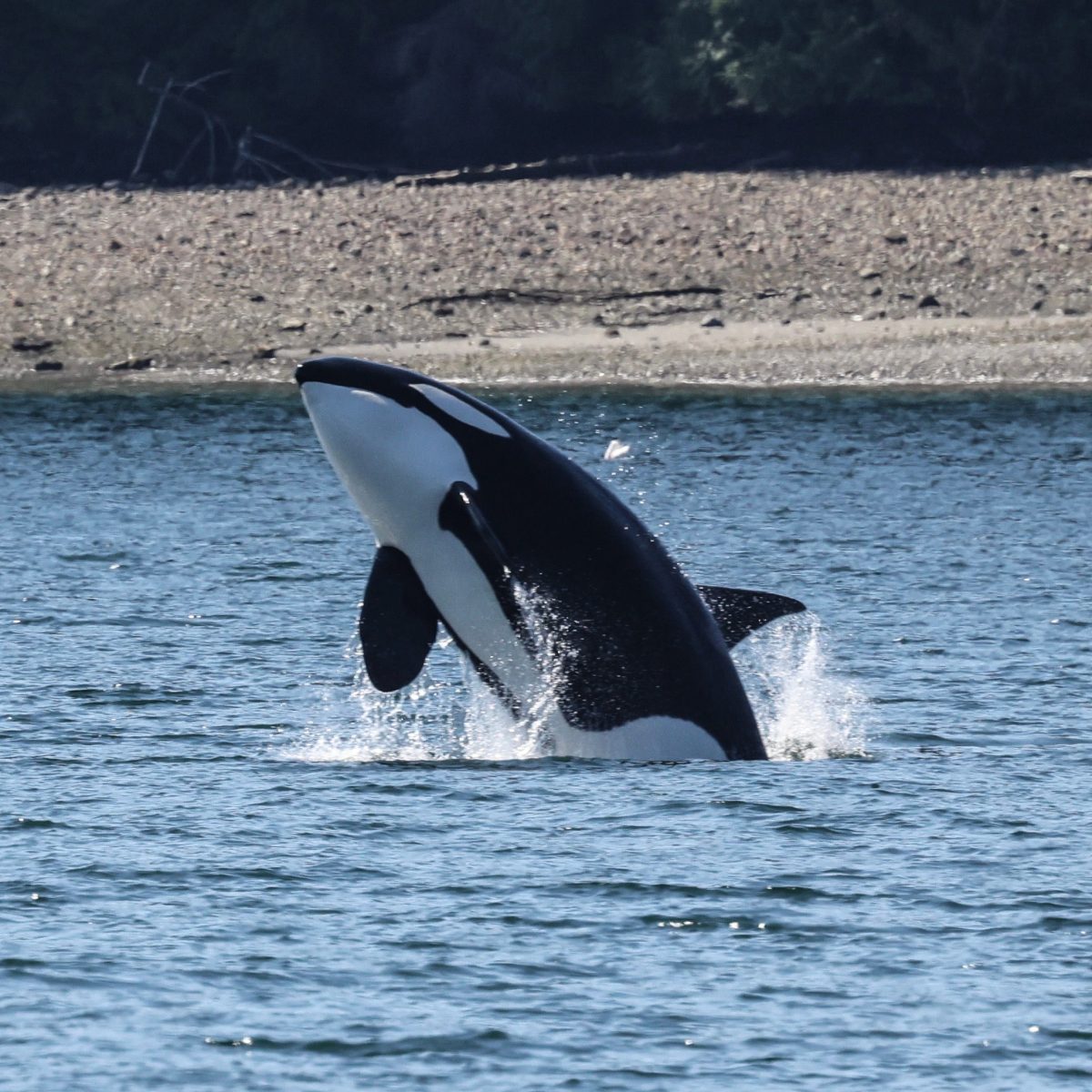
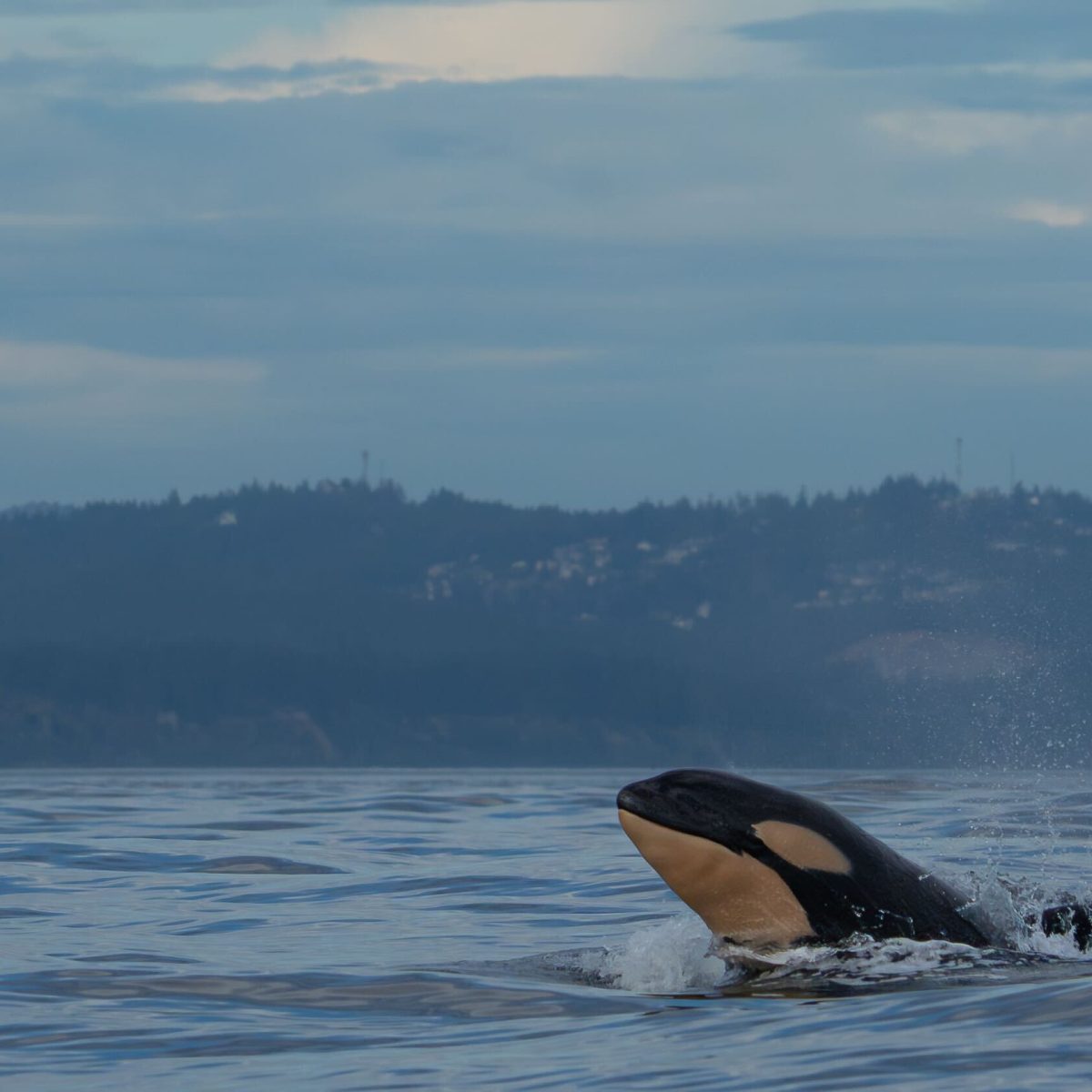
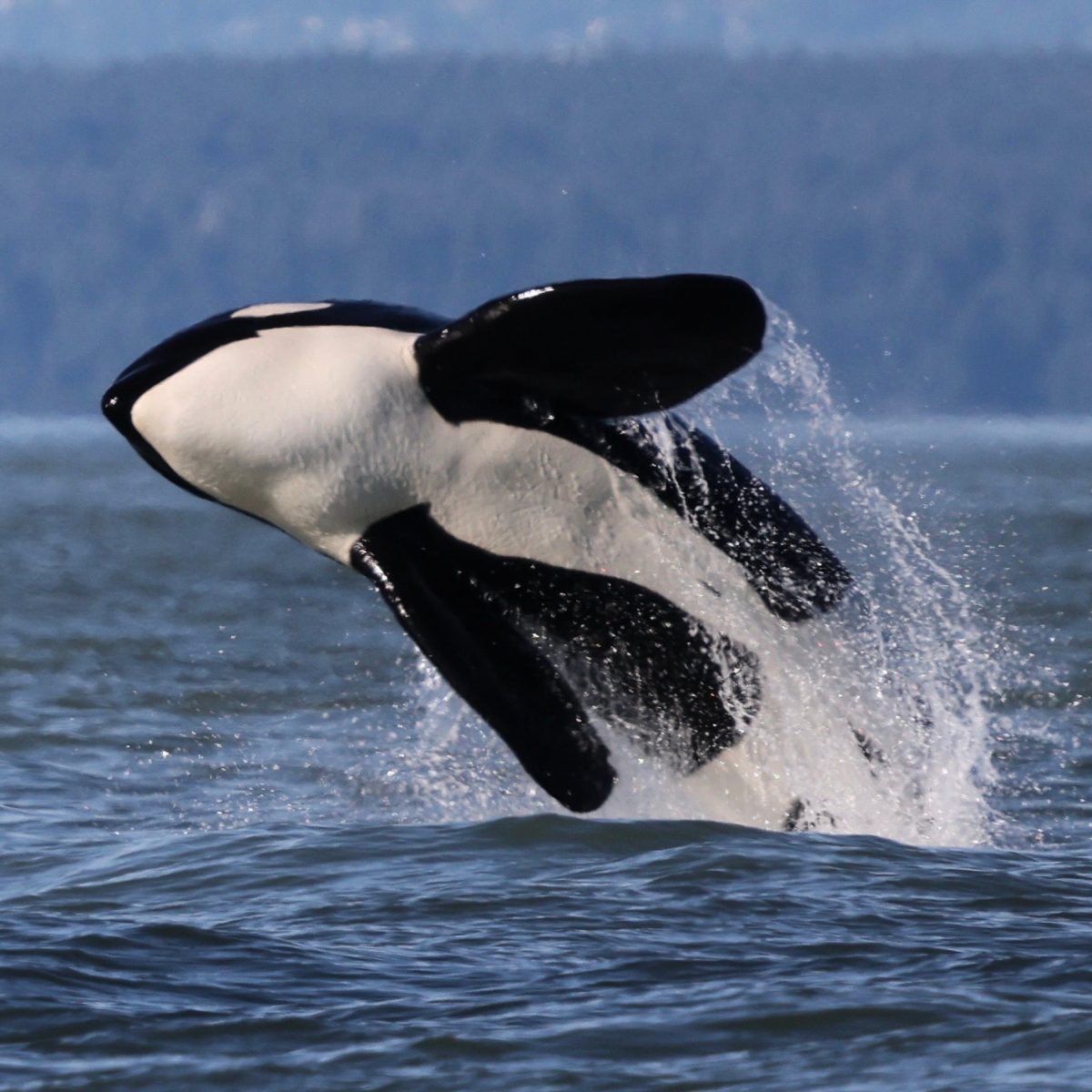
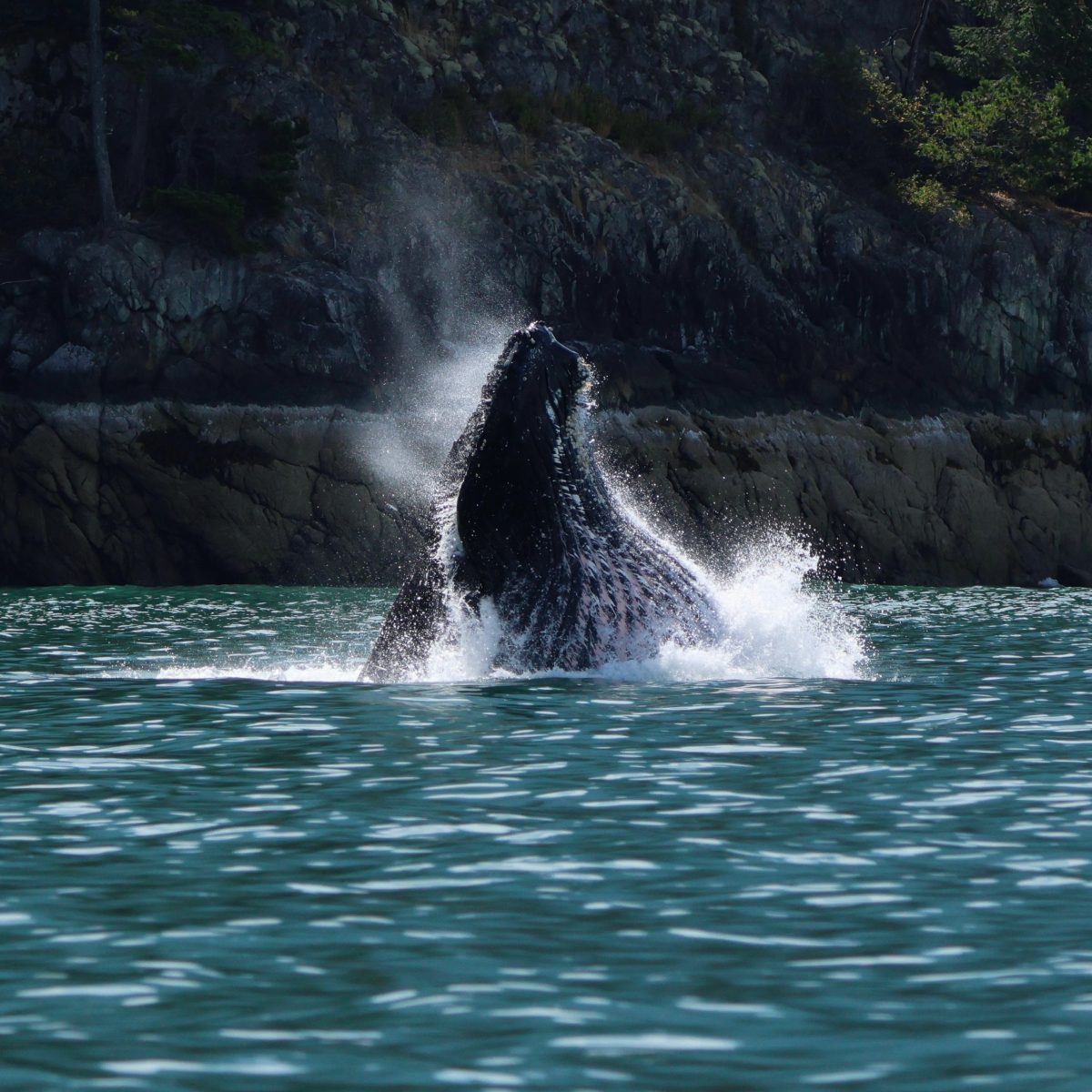
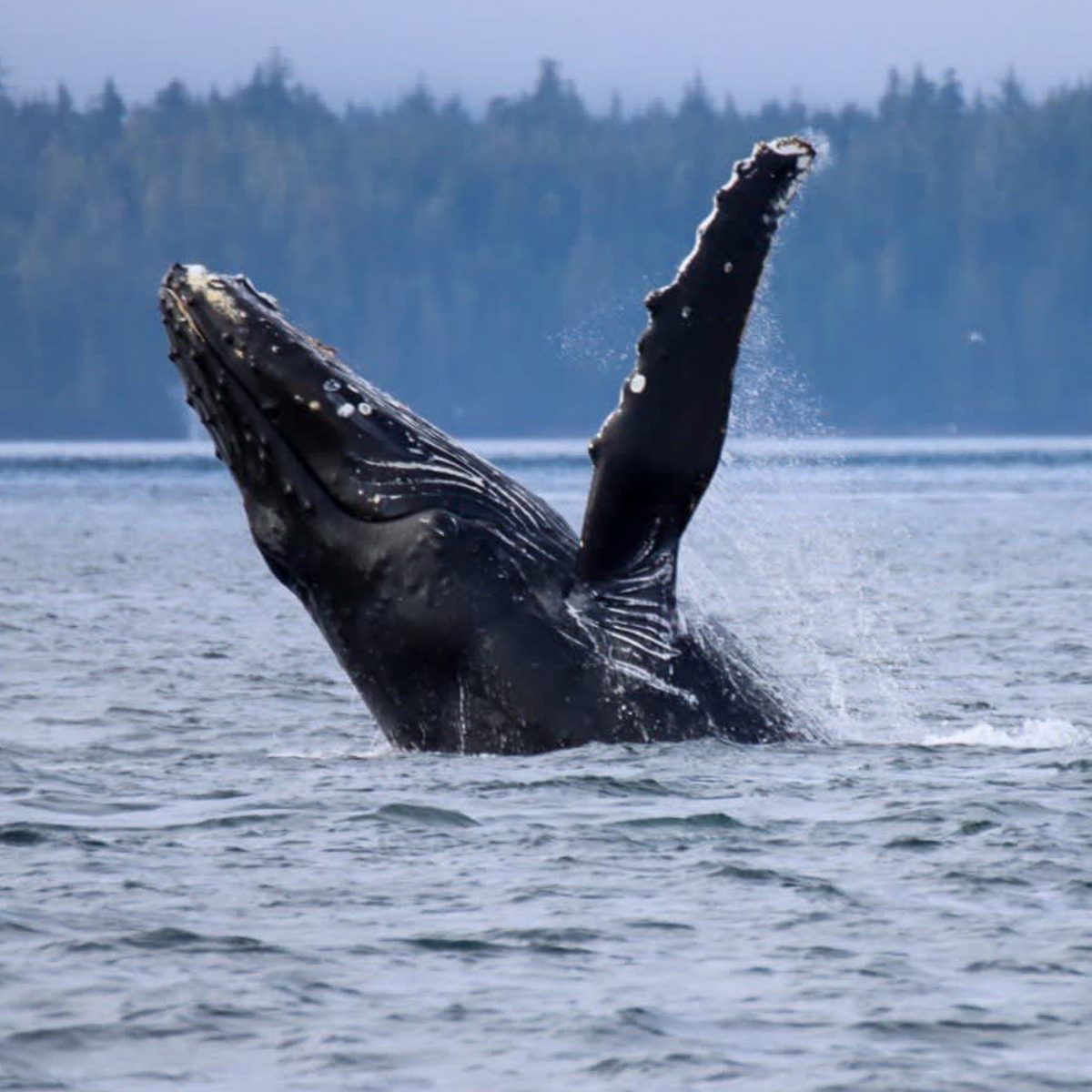
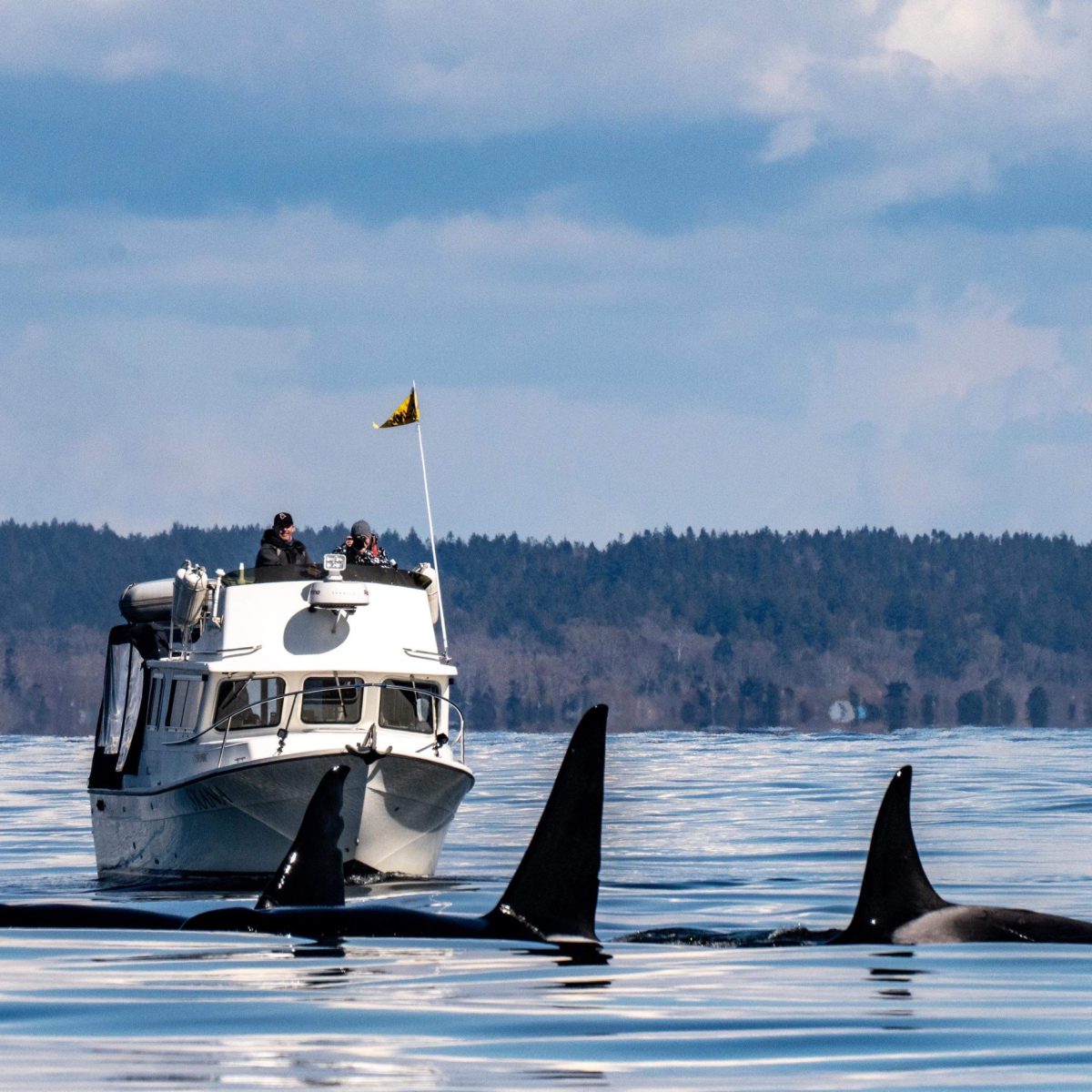
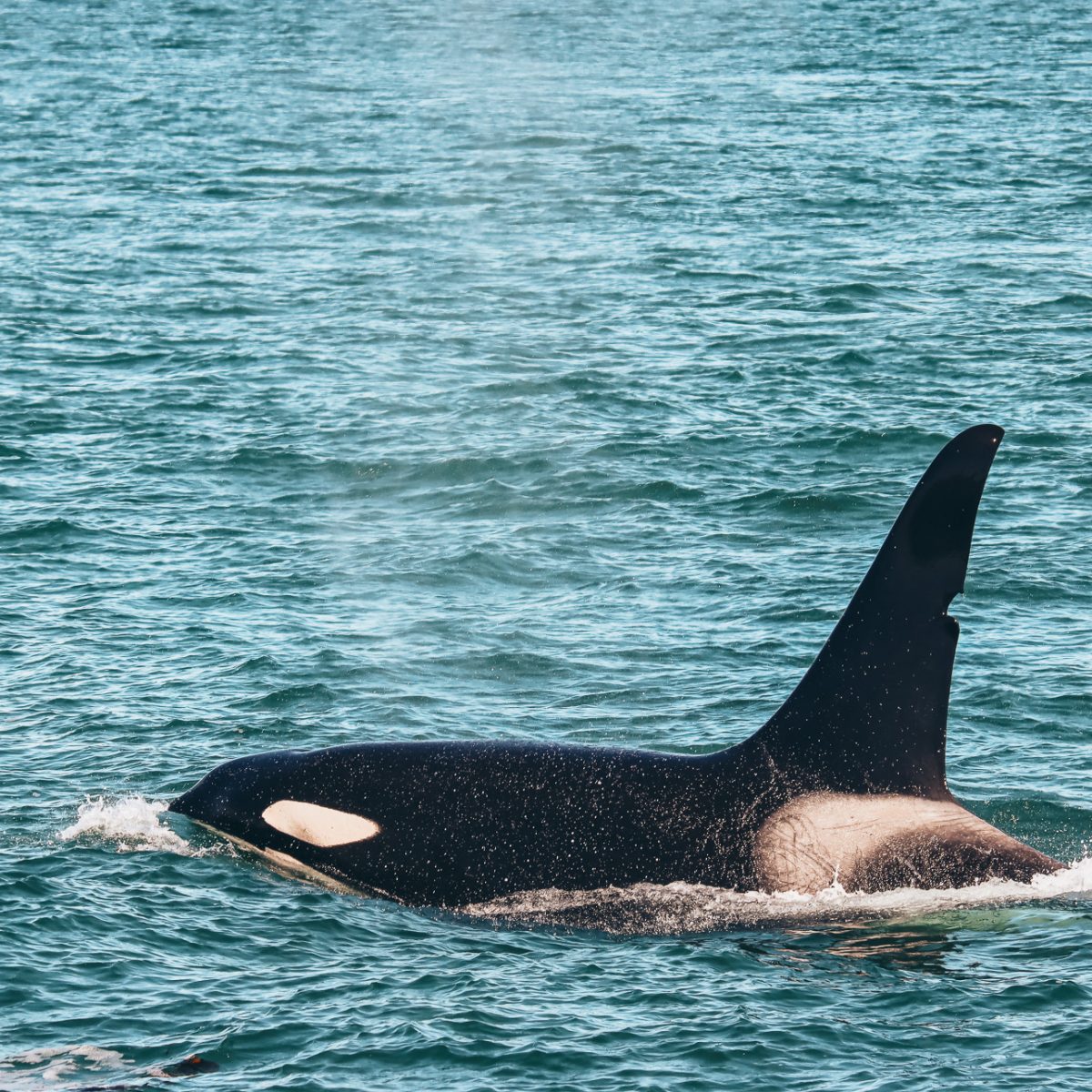
Seeing humpback whales and Bigg’s killer whales (orcas) in the same area is always exciting. Watching them interact is even more extraordinary. We have watched humpback whales and orcas interact a few times the past week, and we wanted to share some interesting information on why this might happen!
While both species share the coastal waters of British Columbia, they lead very different lives. Bigg’s killer whales are apex predators that specialize in hunting marine mammals, while humpback whales are gentle giants that feed exclusively on small fish and krill. So why do these two species sometimes approach one another?
The answer isn’t as straightforward as you might think!
A Long History Between Two Giants
For humpback whales, killer whales represent one of the few natural predators they face.
Adult humpbacks are generally too large for orcas to hunt successfully, but calves are far more vulnerable. Around the world, Bigg’s killer whales have been documented attacking humpback calves, particularly during migration and on breeding grounds. As a result, humpback mothers are extremely defensive to protect their young. Scientists believe this evolutionary pressure has shaped humpback behaviour over thousands of years.
The Curious Case of “Rescuing” Other Animals
One of the most fascinating discoveries in marine mammal science came from a 2017 study led by marine biologist Robert Pitman. Researchers reviewed 115 documented interactions between humpback whales and killer whales from around the world to better understand why these encounters occur.
The results were surprising.When humpback whales approached killer whales:
- 93% of the killer whales involved were mammal-eating Bigg’s killer whales.
- In at least 87% of the encounters, the killer whales were actively hunting or feeding.
- Remarkably, 89% of the prey being hunted were not humpback whales. Instead, they included seals, sea lions, gray whales, dolphins, porpoises, and even fish.
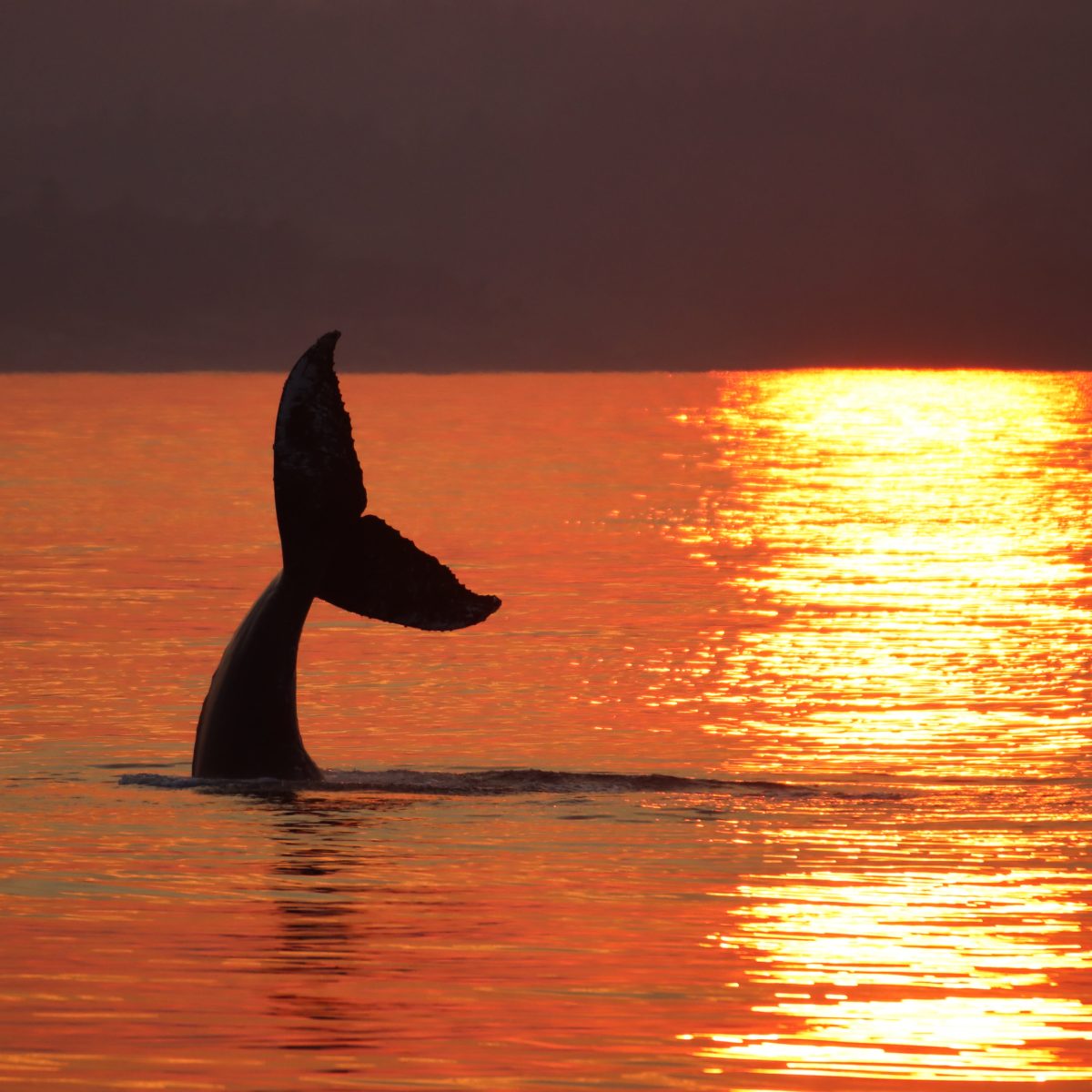
In many cases, humpbacks deliberately approached the hunt, trumpeted loudly, slapped their tails and long pectoral fins on the water, and physically positioned themselves between the killer whales and their prey. Several documented interactions even resulted in the prey escaping.
Why Would They Do This?
Scientists still don’t have a definitive answer.
The leading explanation is known as mobbing behaviour. Humpback whales appear to respond instinctively to the vocalizations produced during killer whale hunts. Because killer whales primarily target humpback calves, adult humpbacks may have evolved to investigate any sounds associated with an attack. By the time they arrive, they may discover that the prey is actually another species, but continue disrupting the hunt anyway.
Rather than intentionally “saving” seals or porpoises, humpbacks may simply be following a defensive behaviour that evolved to protect their own young. Some researchers have suggested these events could represent a form of accidental interspecific altruism, although this remains an active area of scientific debate. Of course, not every interaction involves a hunt.
Young killer whales are naturally curious and may approach humpbacks simply to investigate the much larger animals. Likewise, humpbacks occasionally appear interested in nearby orcas without any obvious signs of aggression. Sometimes the two species simply cross paths while travelling or feeding in the same productive waters!
We believe that this behaviour will continue to happen in the Salish Sea, and will become more frequent, as we are seeing more and more humpbacks in the area that Bigg’s killer whales have always frequented.