BACK
BACK


October 8, 2026
Today is Wild Salmon Day! Since its launch in British Columbia in 2019, this day has evolved into a global celebration of wild salmon and the incredible role they play in our environment and way of life. It is also a chance to shine a spotlight on the conservation efforts needed to ensure salmon continue to thrive for generations to come.
What is a Keystone Species?
Wild salmon are what biologists call a keystone species, meaning they carry an incredibly outsized responsibility for the health of their environment. They act as the primary ecological engine driving the Pacific Northwest. Without them, the entire coastal food web would stall, drastically impacting the survival of hundreds of interconnected species that rely on salmon to keep the whole system running.
The Five Types of Pacific Salmon
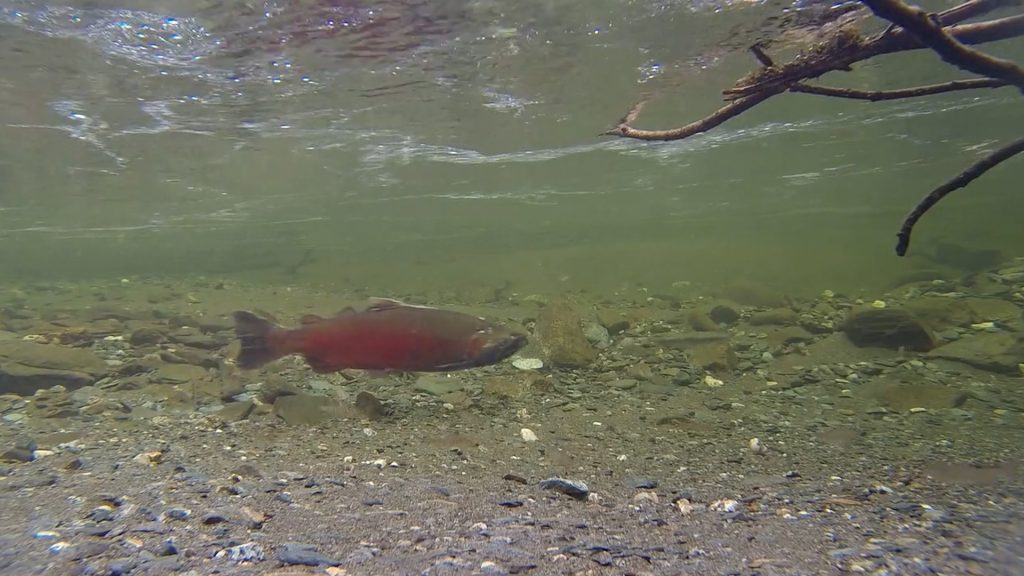
In British Columbia, five distinct species of Pacific salmon navigate our coastal waters: Chinook, Sockeye, Coho, Pink, and Chum. Each species follows a unique timeline, but they all share an extraordinary journey. They hatch in local freshwater streams, migrate through our coastal estuaries out to the open Pacific Ocean, and eventually navigate back to their exact birthplaces to complete their lifecycle.
How Semelparity Fuels the Food Chain
These fish sustain an entire web of life because they are semelparous, meaning they reproduce only once in their lifetime and die shortly after spawning. This post-spawning death drives a massive biological buffet, connecting the ocean directly to the land through the food chain:
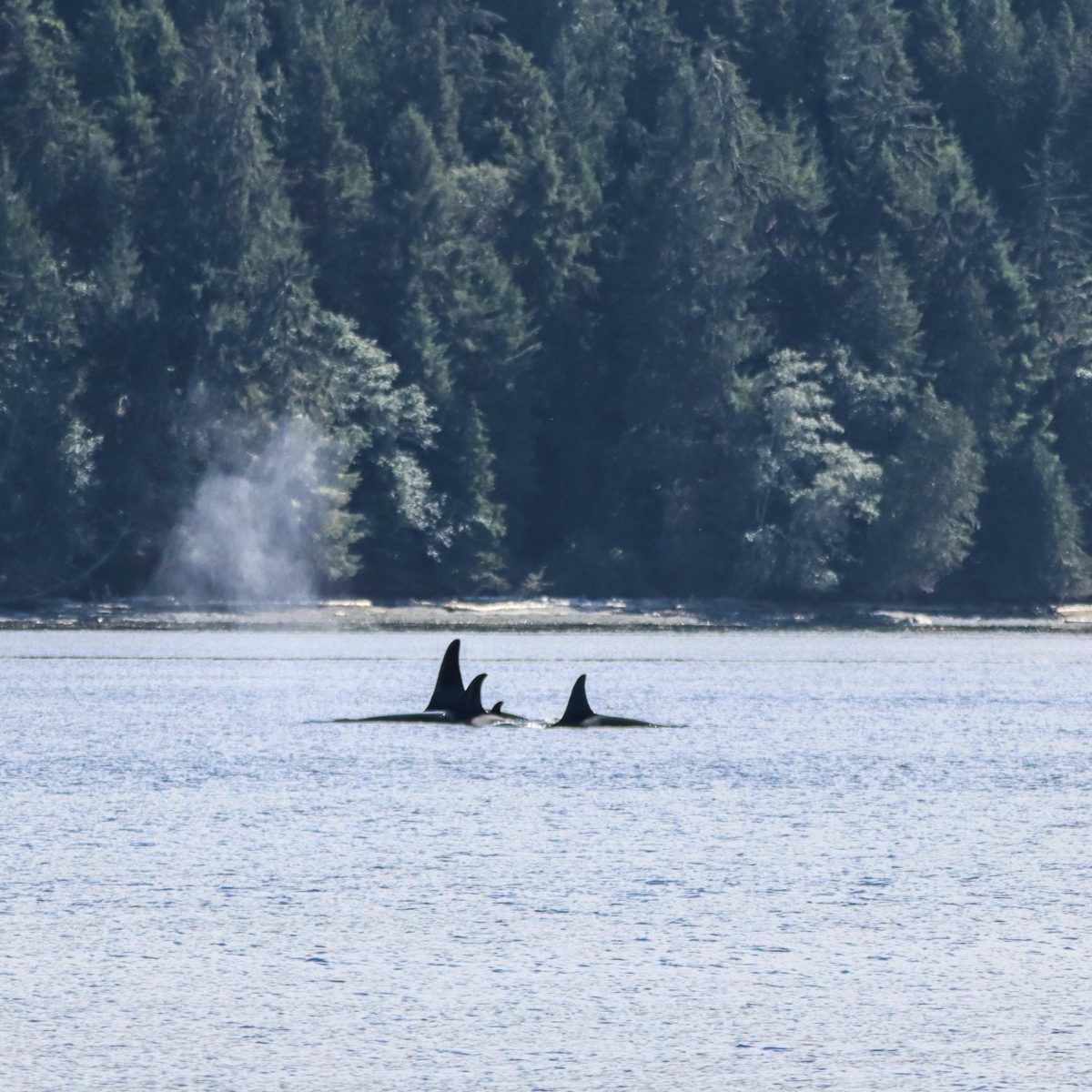
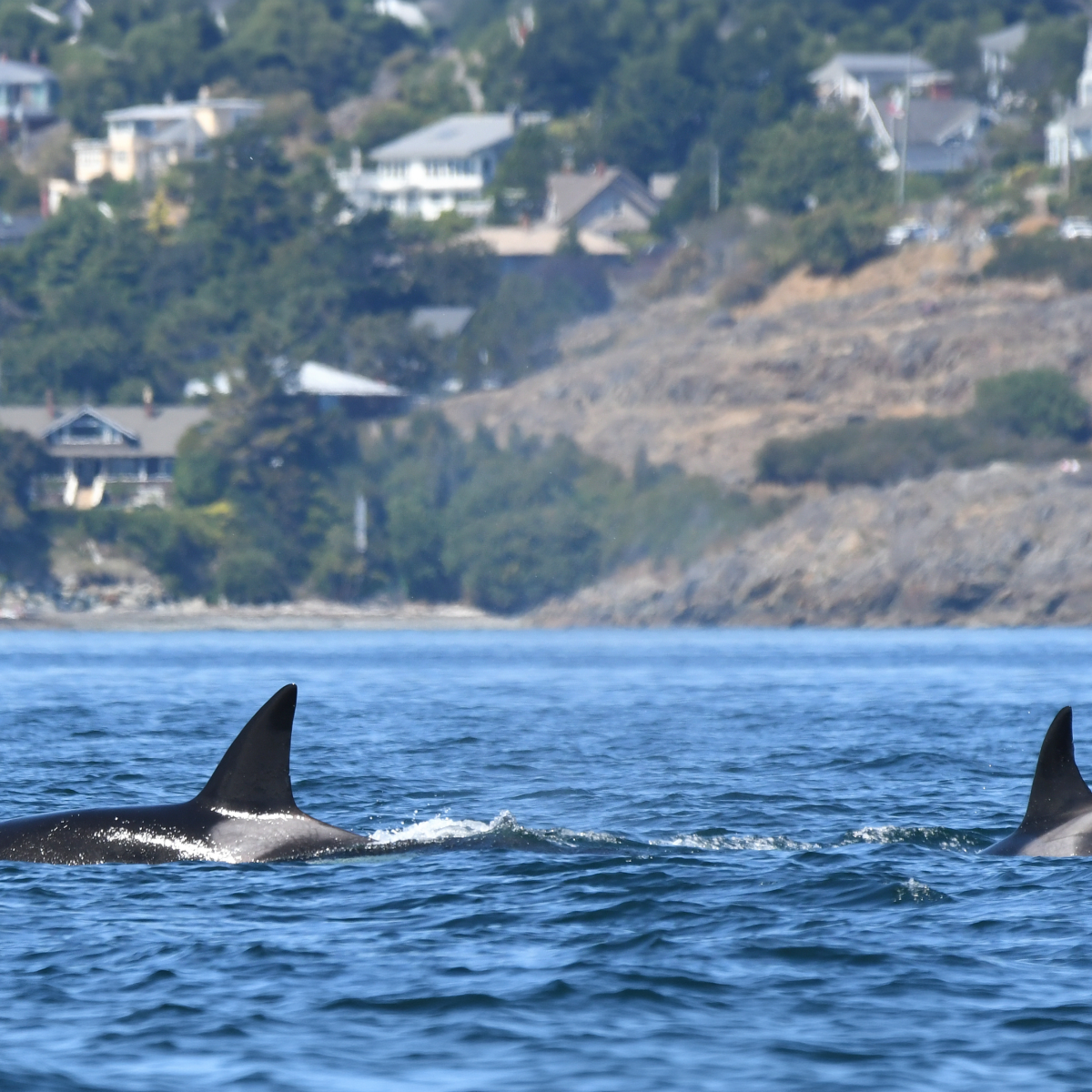
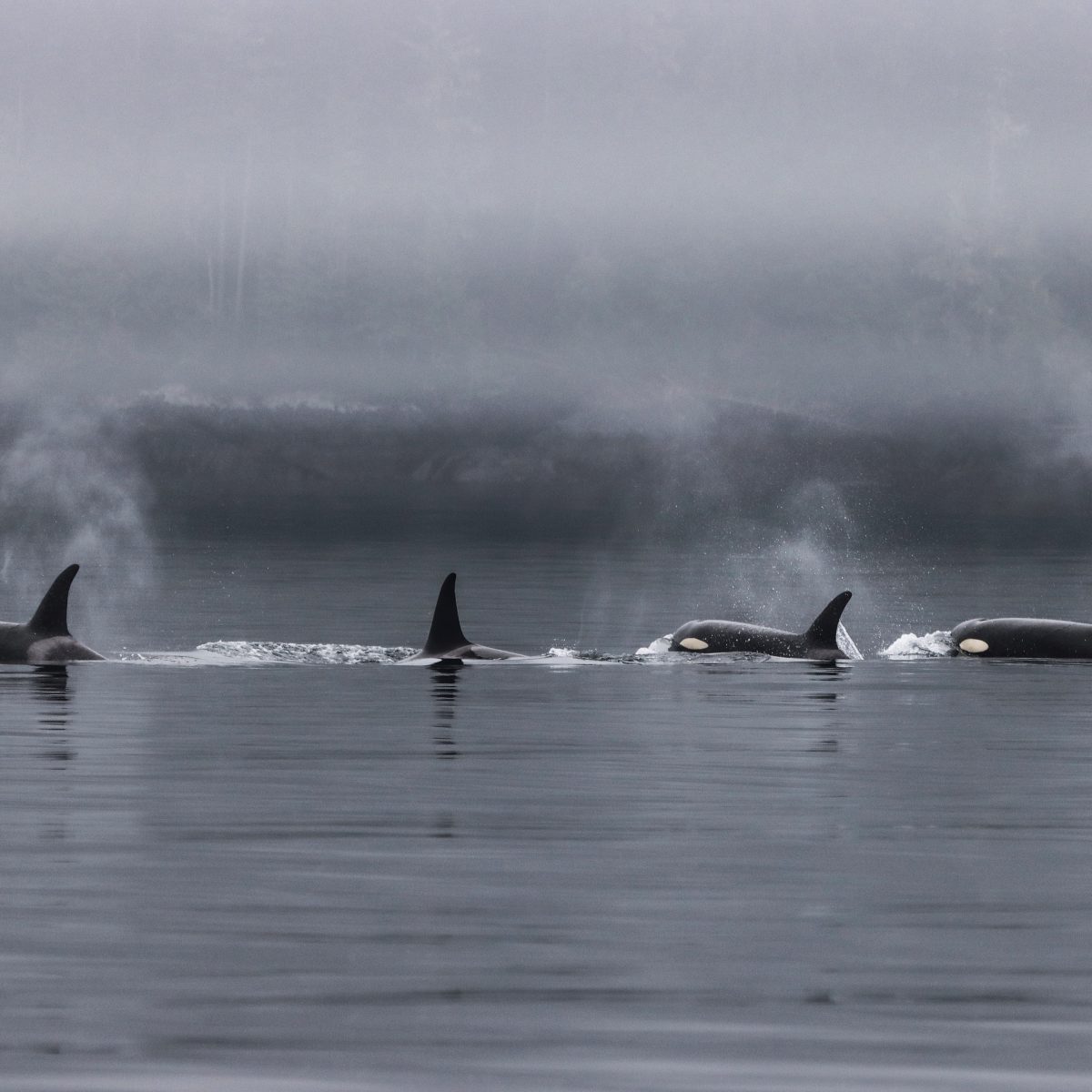
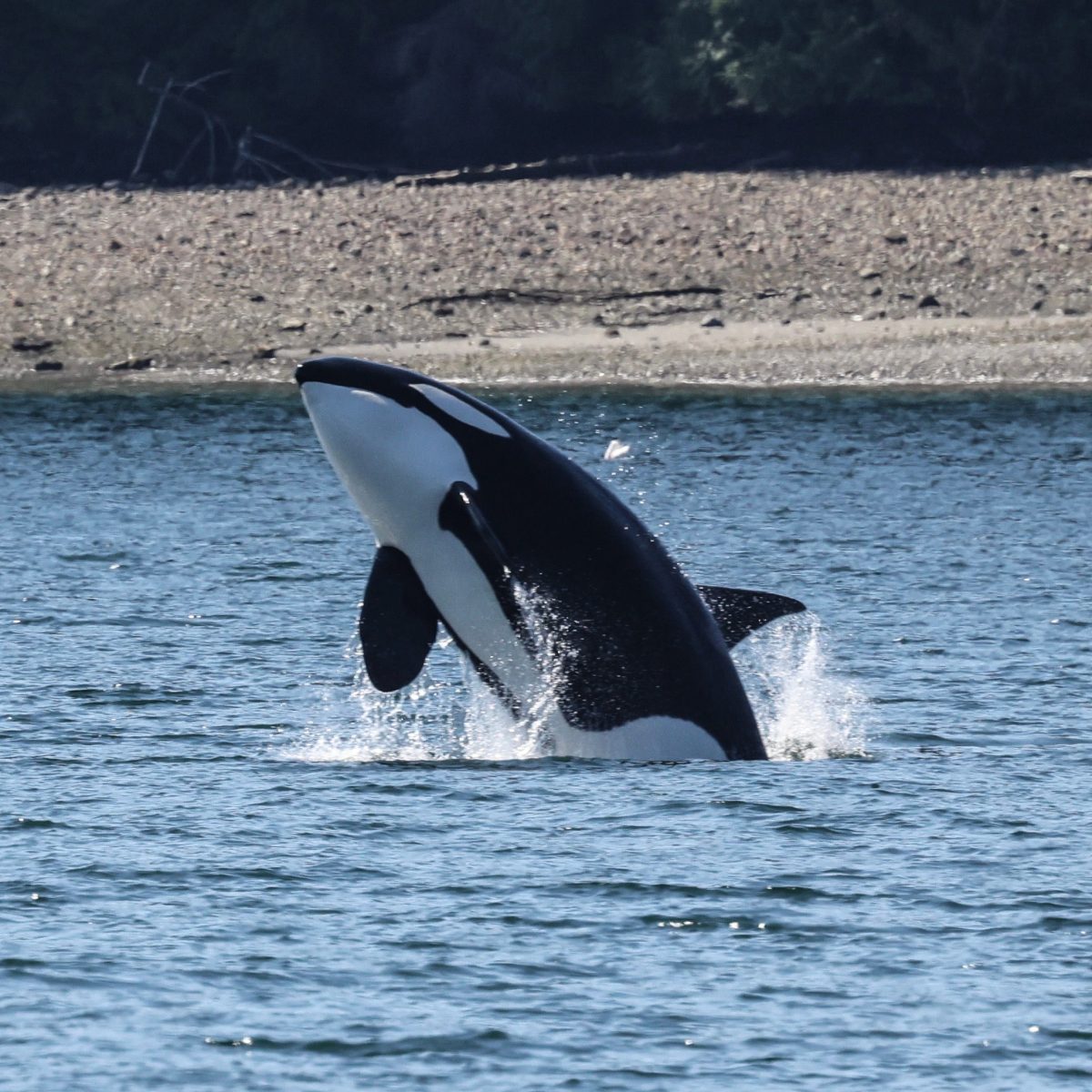
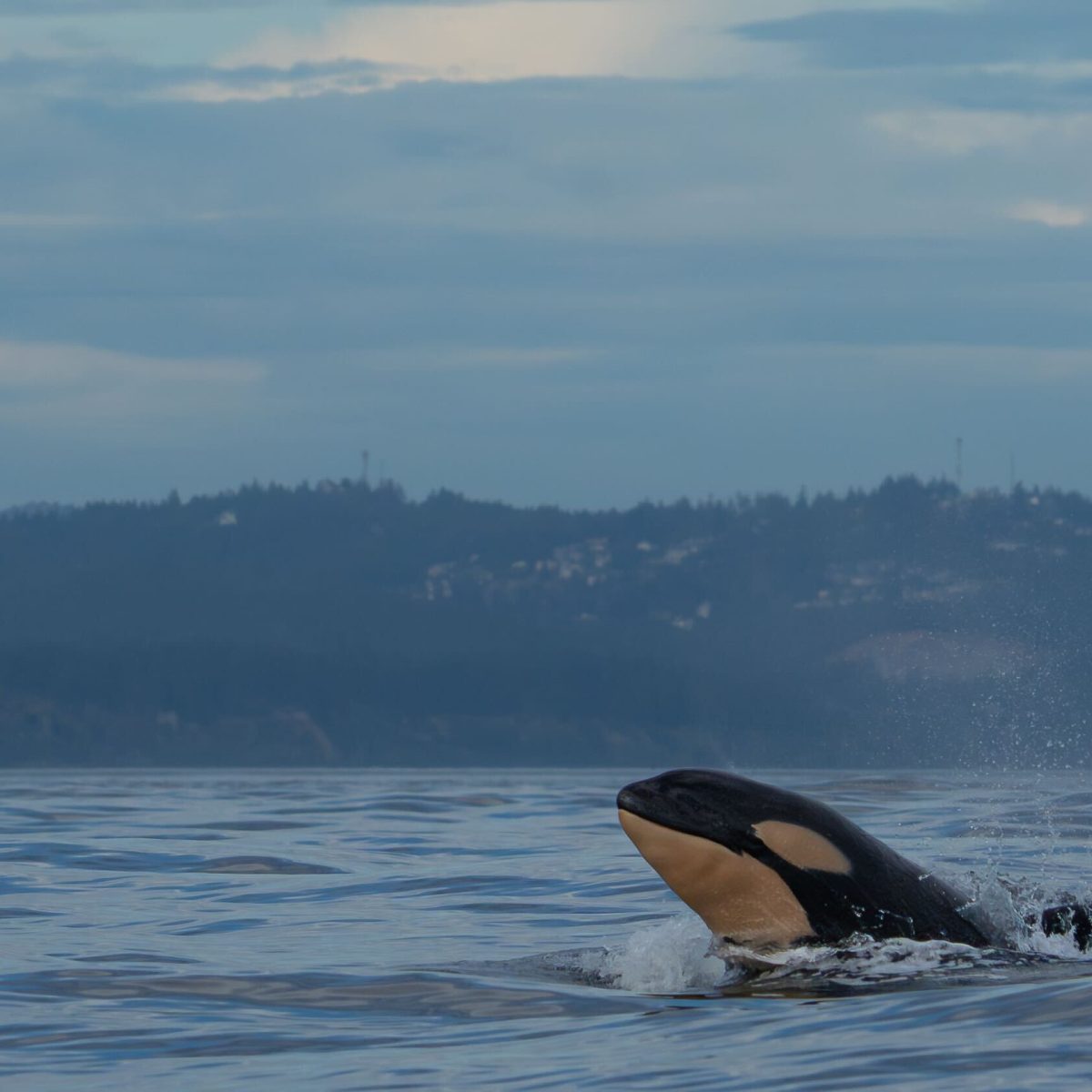
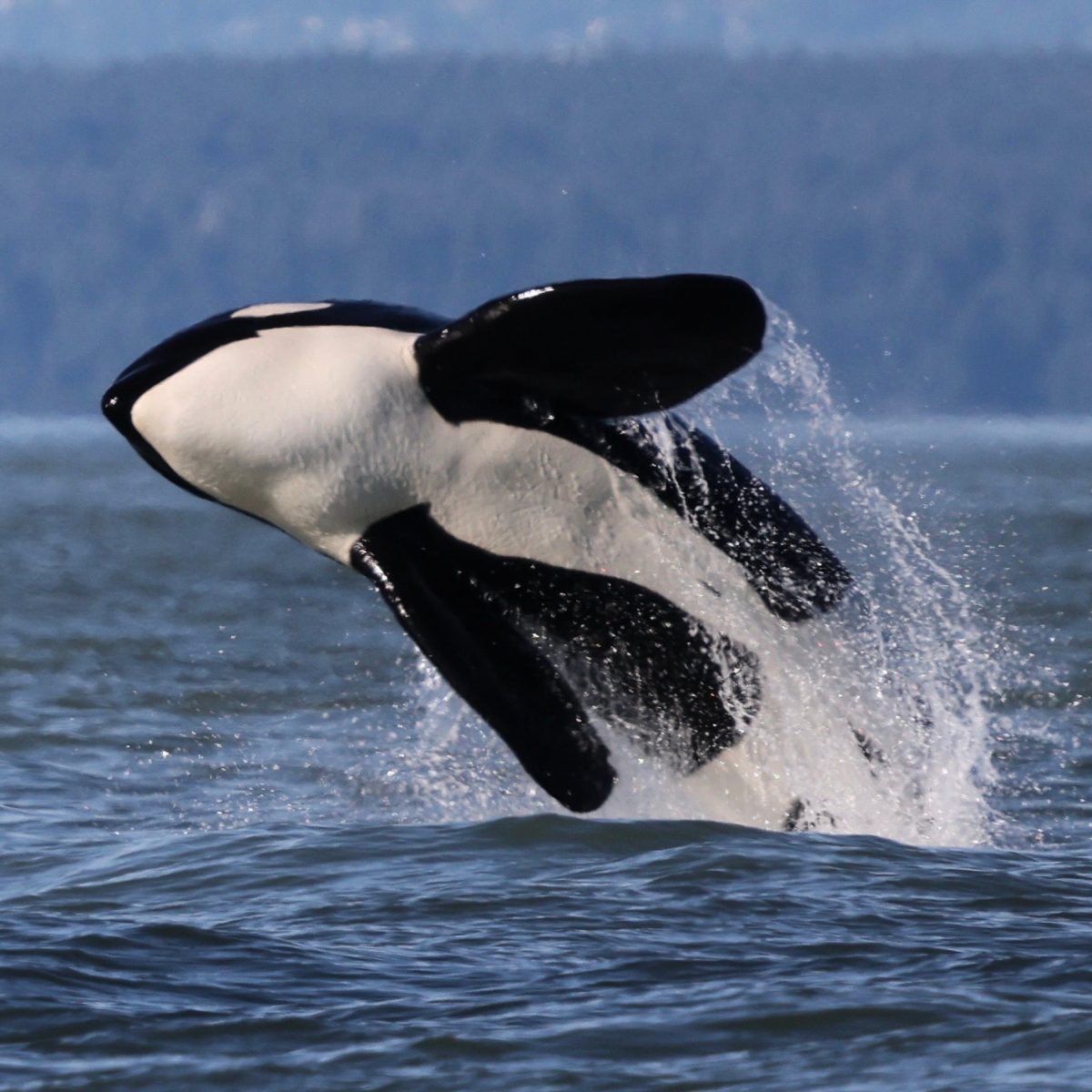
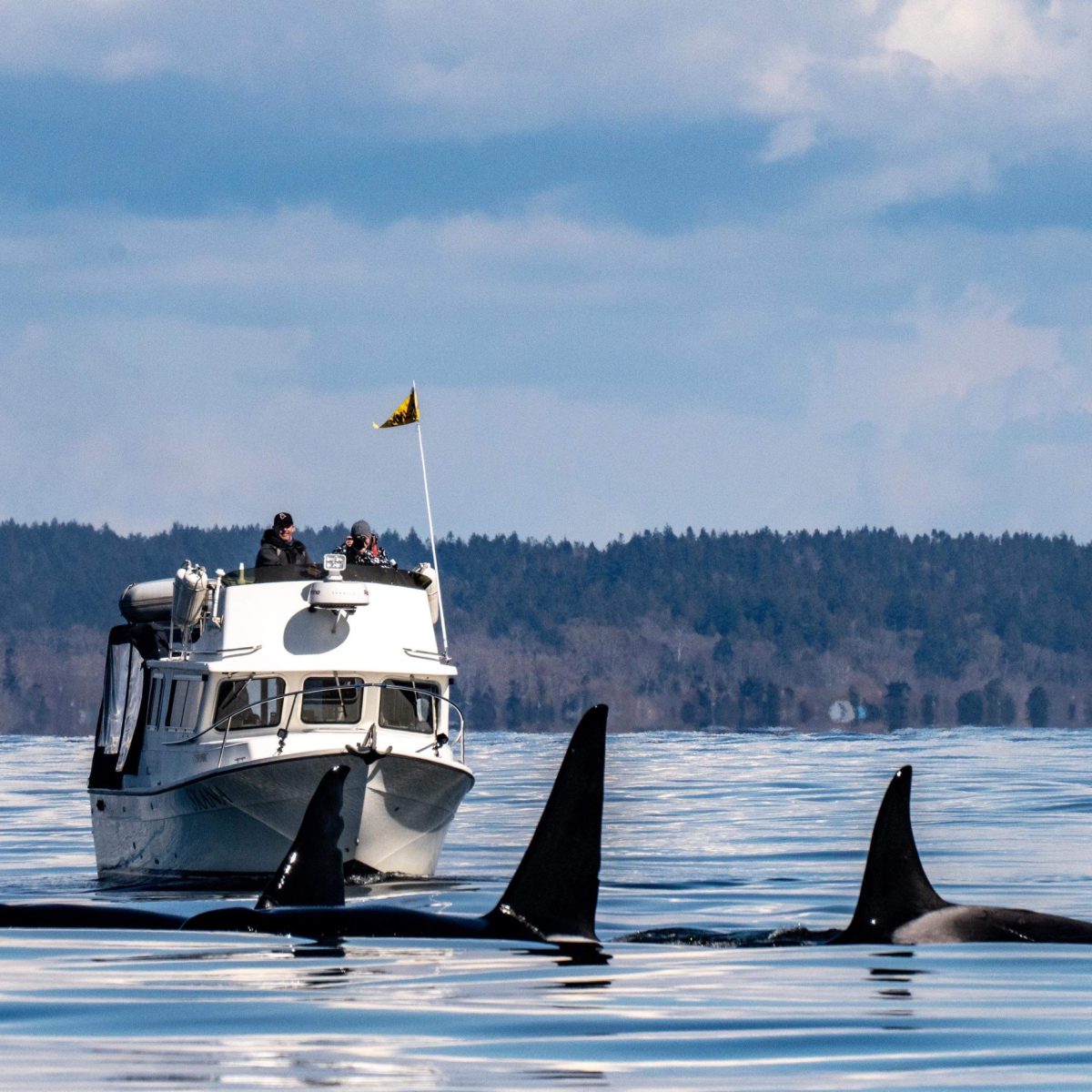
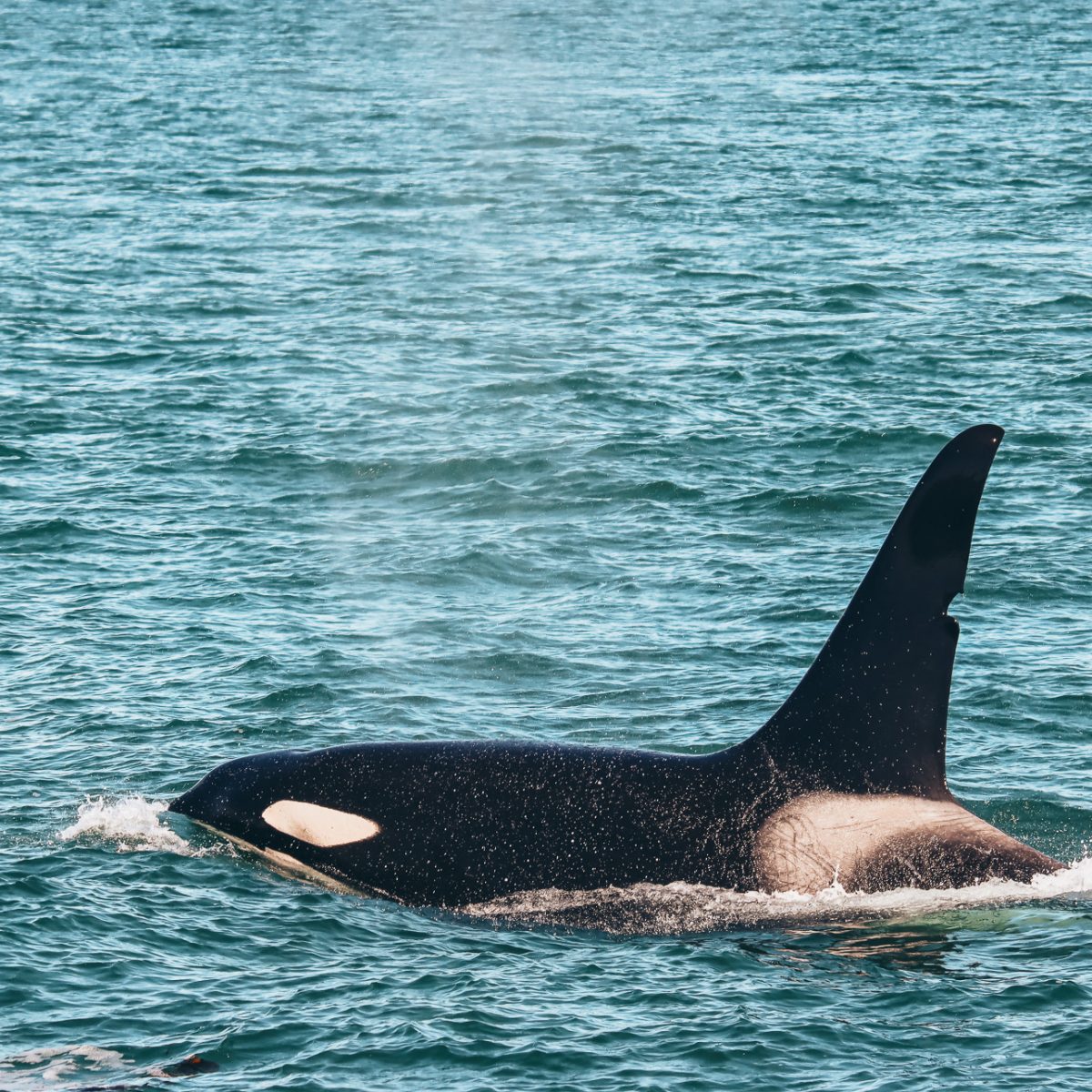
- Orcas: Both Southern and Northern Resident orcas rely heavily on Chinook salmon as their primary food source. They eat the Chinook because it is the largest salmon species on the coast.
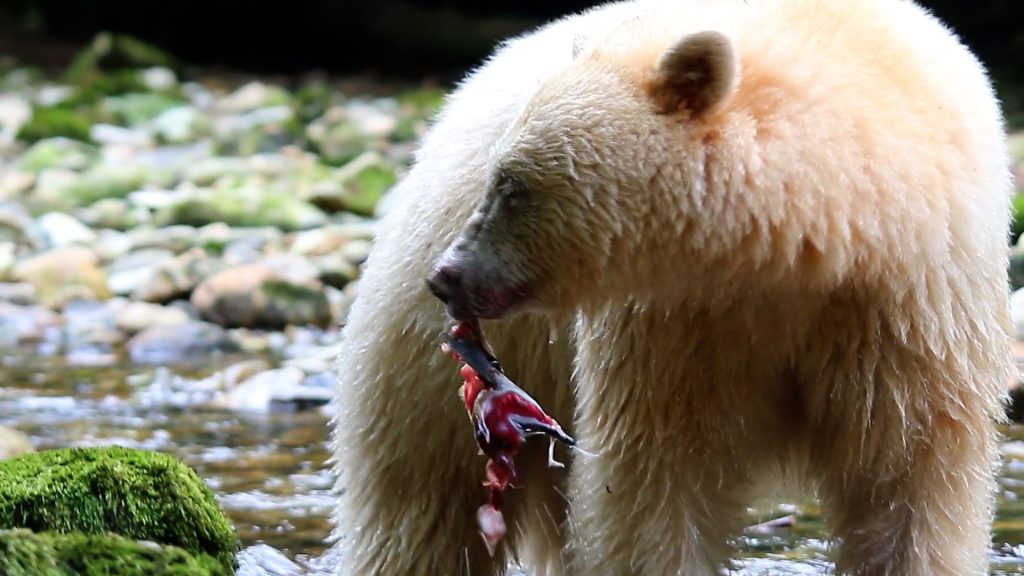
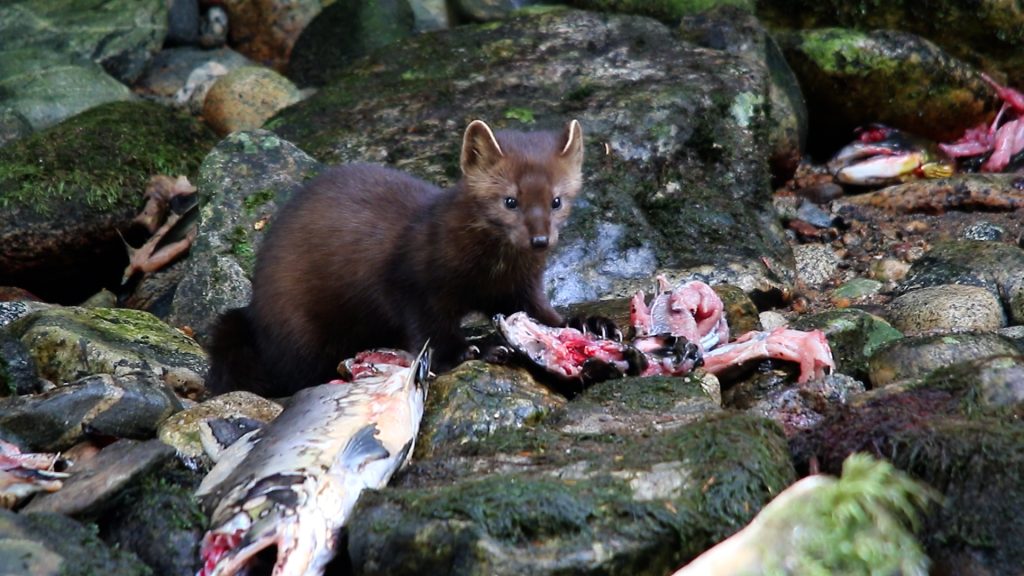
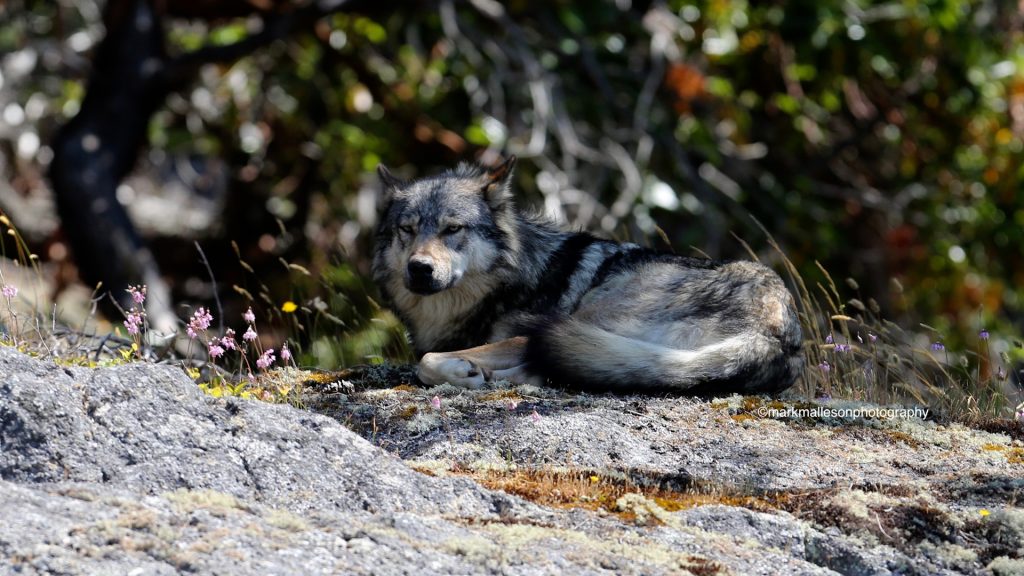
- Land Predators: Apex predators like grizzly bears, wolves, and bald eagles feast on the salmon to store vital energy for the winter.
- The Forest: The food chain even extends into the trees. When predators carry salmon carcasses deep into the woods, the decomposing fish release marine nutrients that fertilize the coastal rainforest.
Supporting the Ecosystem: Our Donation
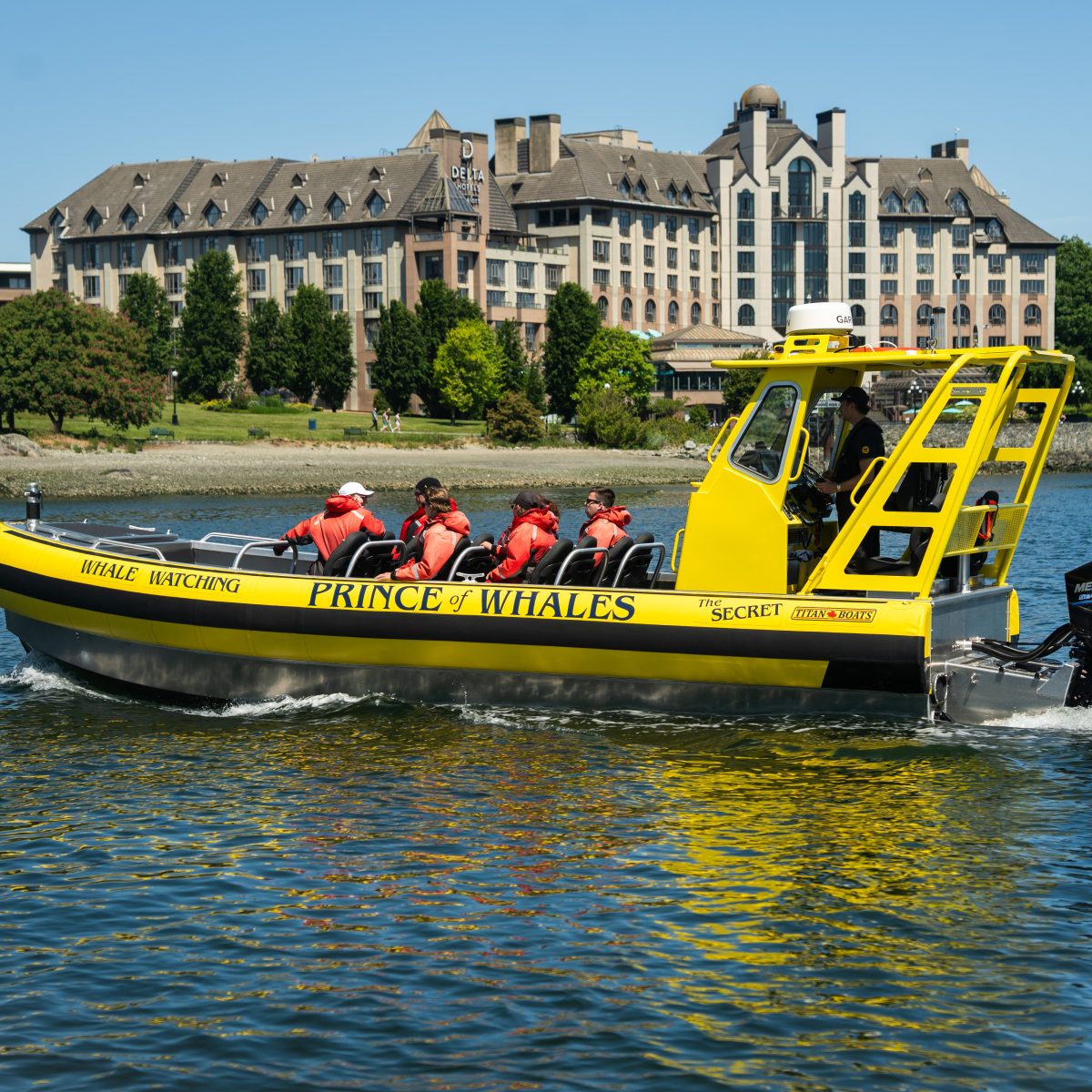
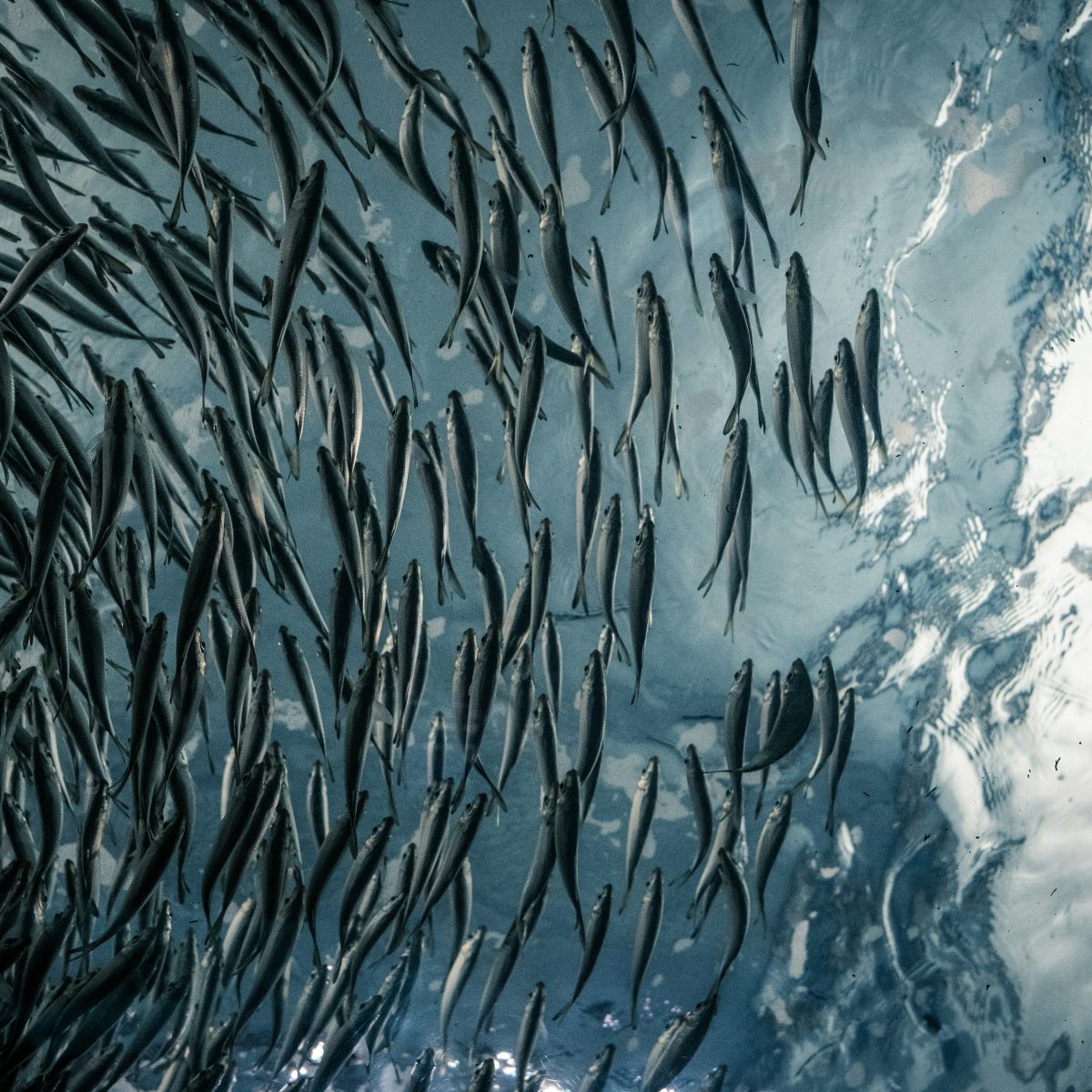
To protect wild salmon, we must also protect what feeds them. That is why Prince of Whales has spent years partnering with the Pacific Salmon Foundation. This year, we are proud to have donated $40,000 to fund critical research on herring, which is the primary food source for wild salmon in BC. By investing in the foundation of the marine food web, we help ensure young salmon have the resources they need to thrive.
Grateful for Our Coastal Wildlife
We are incredibly grateful to be in a position to support these vital conservation initiatives. As we celebrate Wild Salmon Day, it is the perfect reminder of how much this one fish shapes our entire food chain.
Without healthy salmon populations, we simply would not have the thriving, amazing wildlife that we so deeply adore here on the BC coast. By protecting them, we are protecting the future of the Salish Sea and beyond!