BACK
BACK


October 16, 2026
Every encounter with a killer whale is special, but some are truly extraordinary.
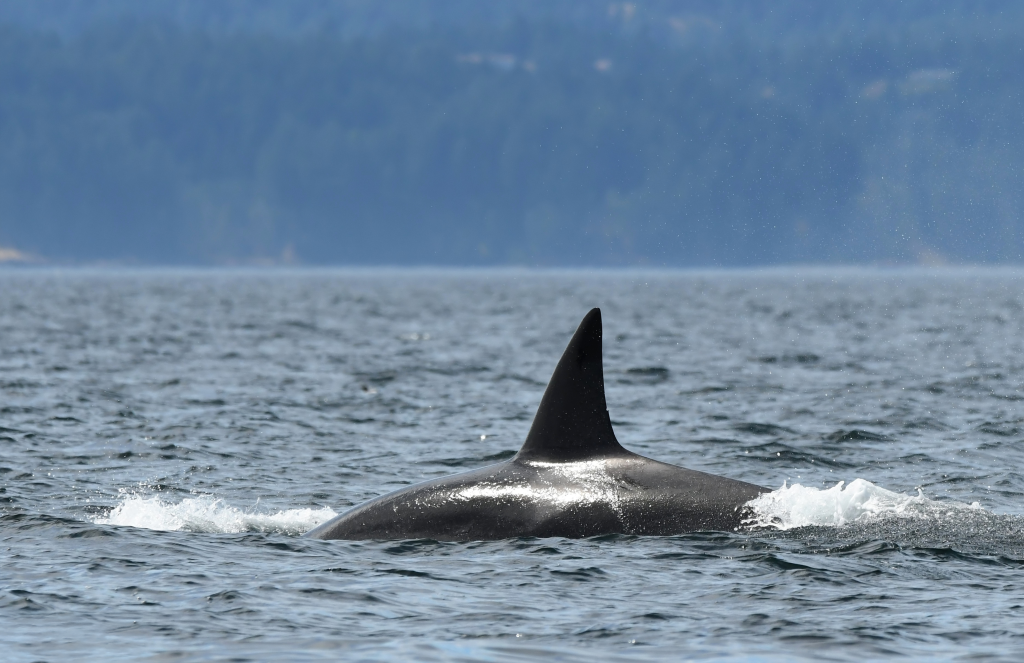
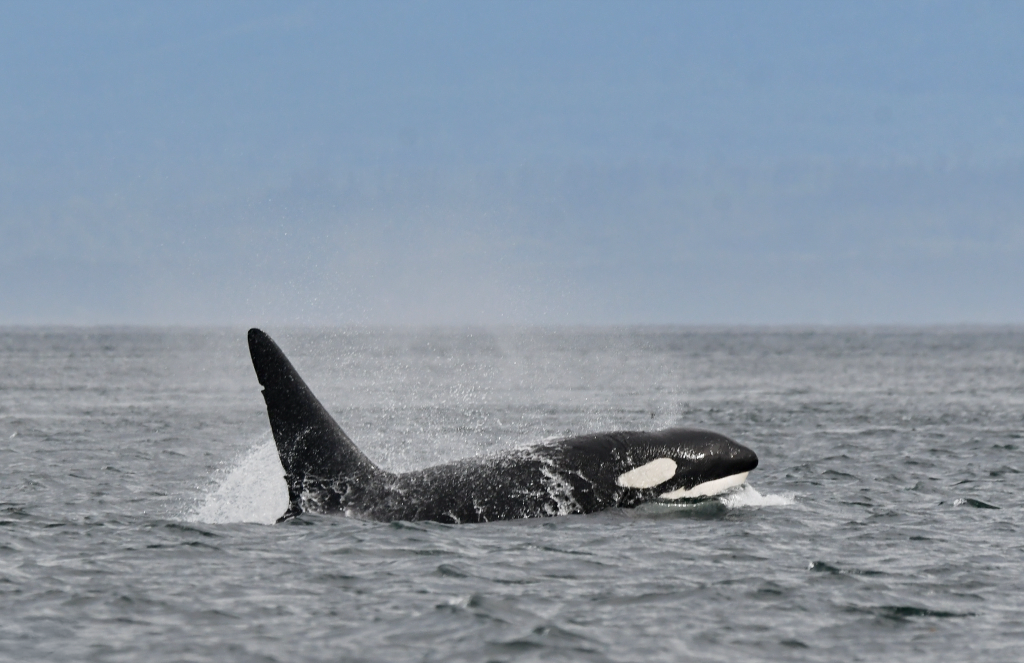
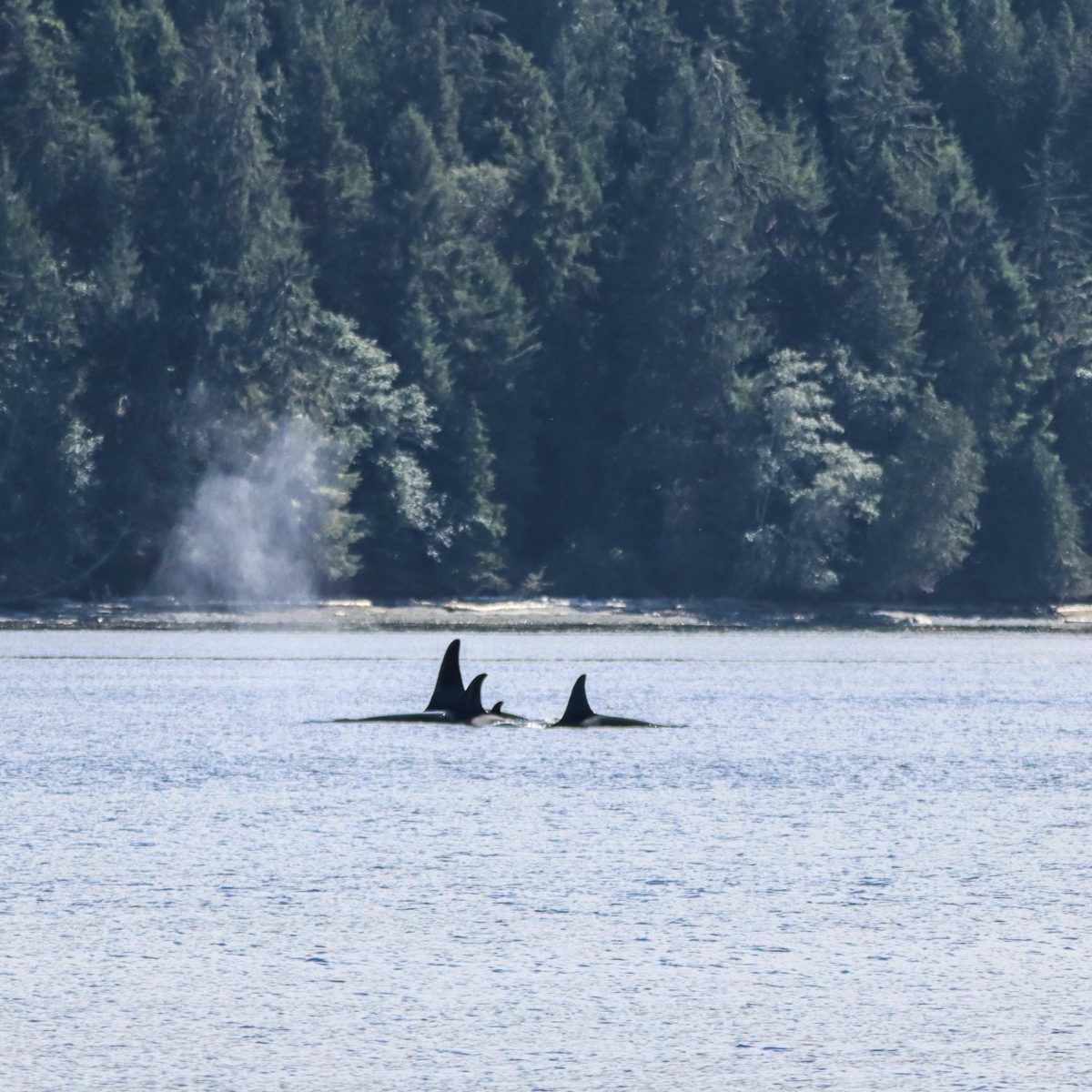
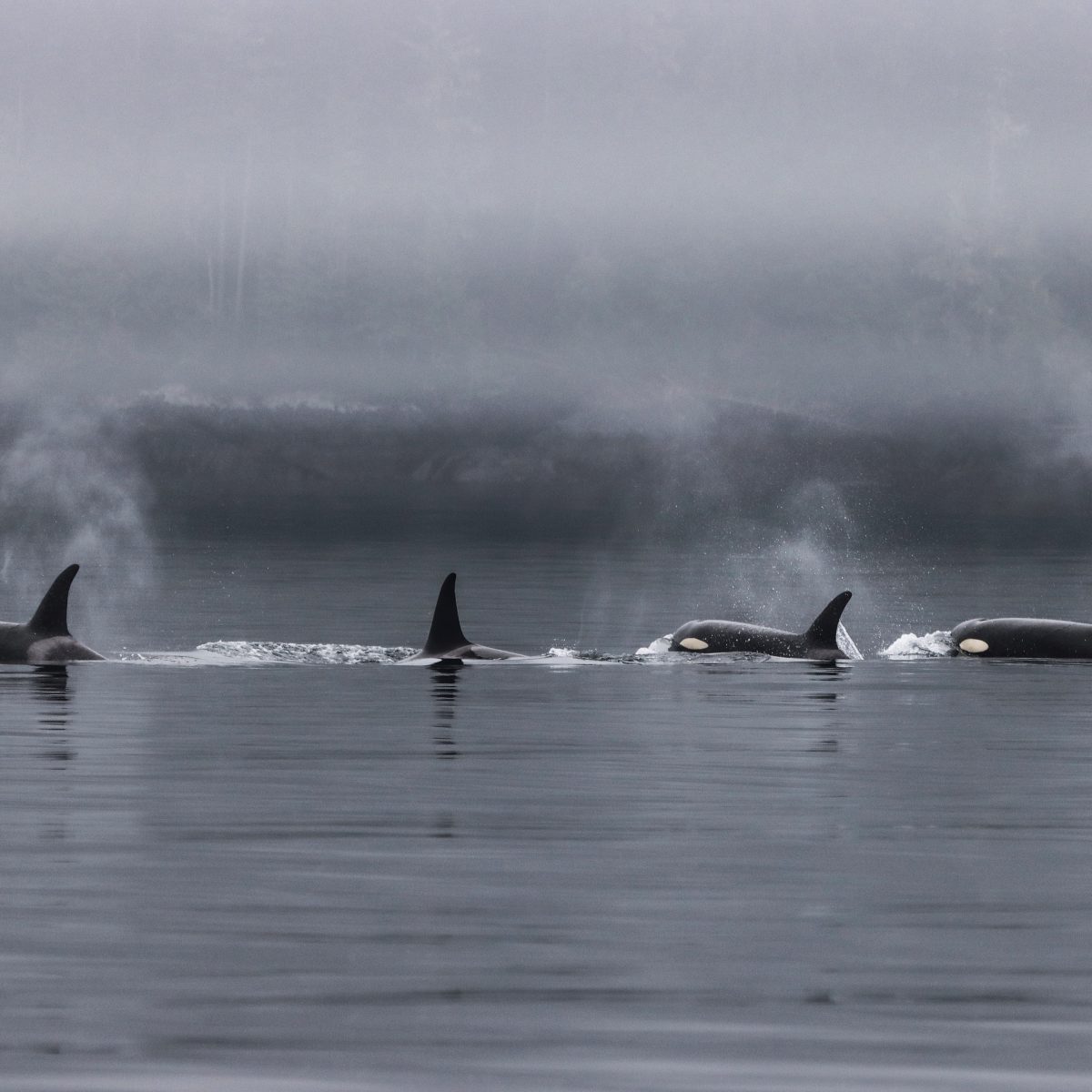
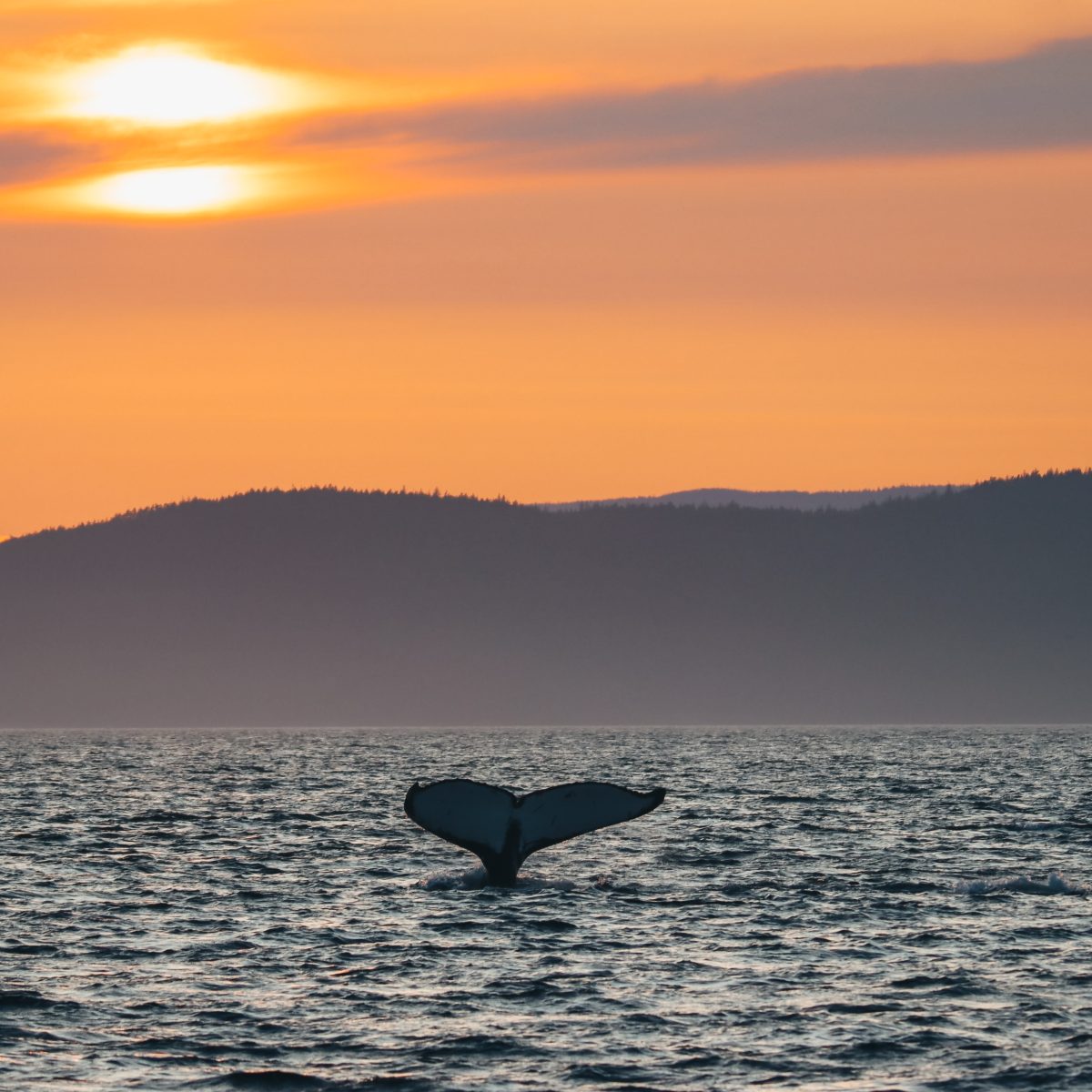
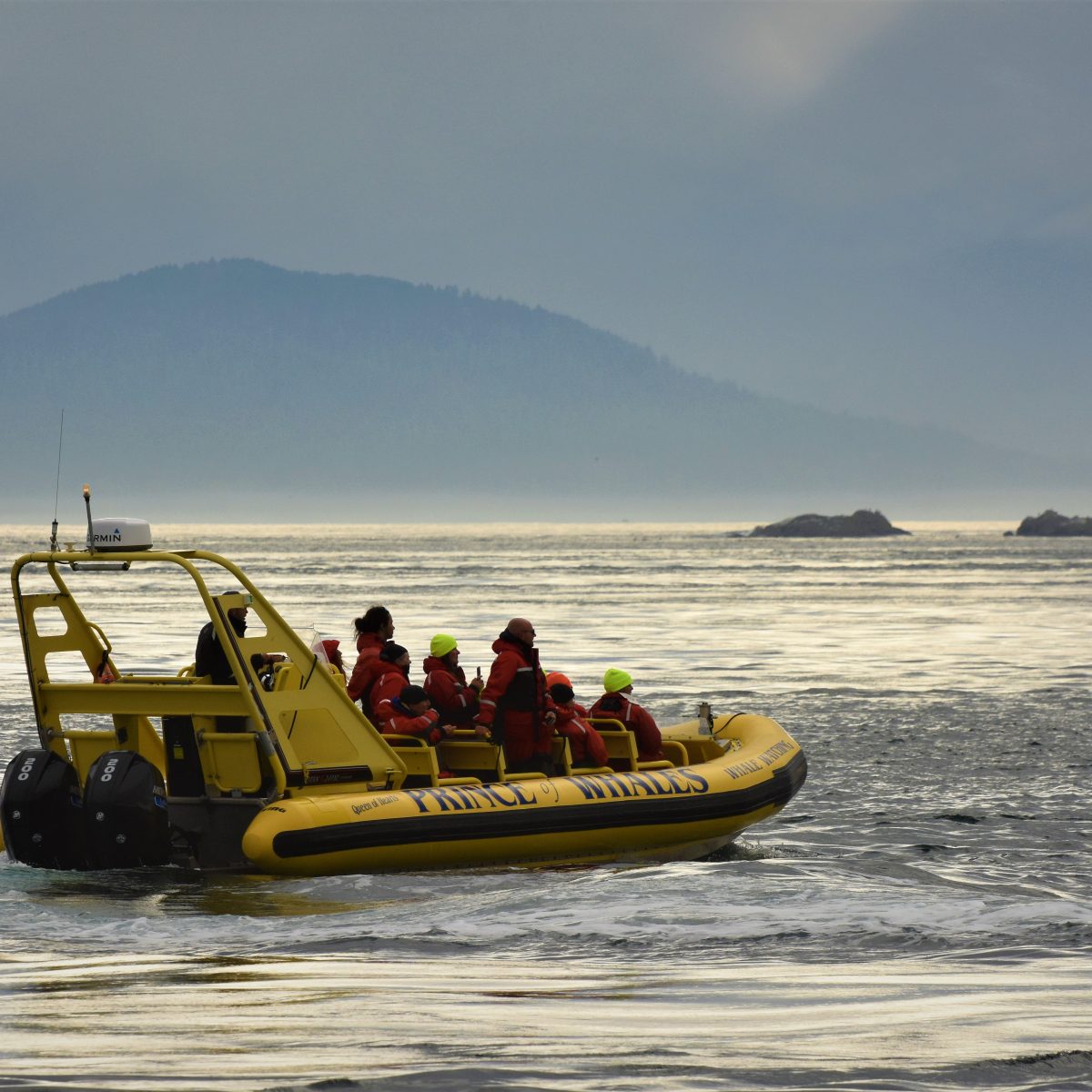
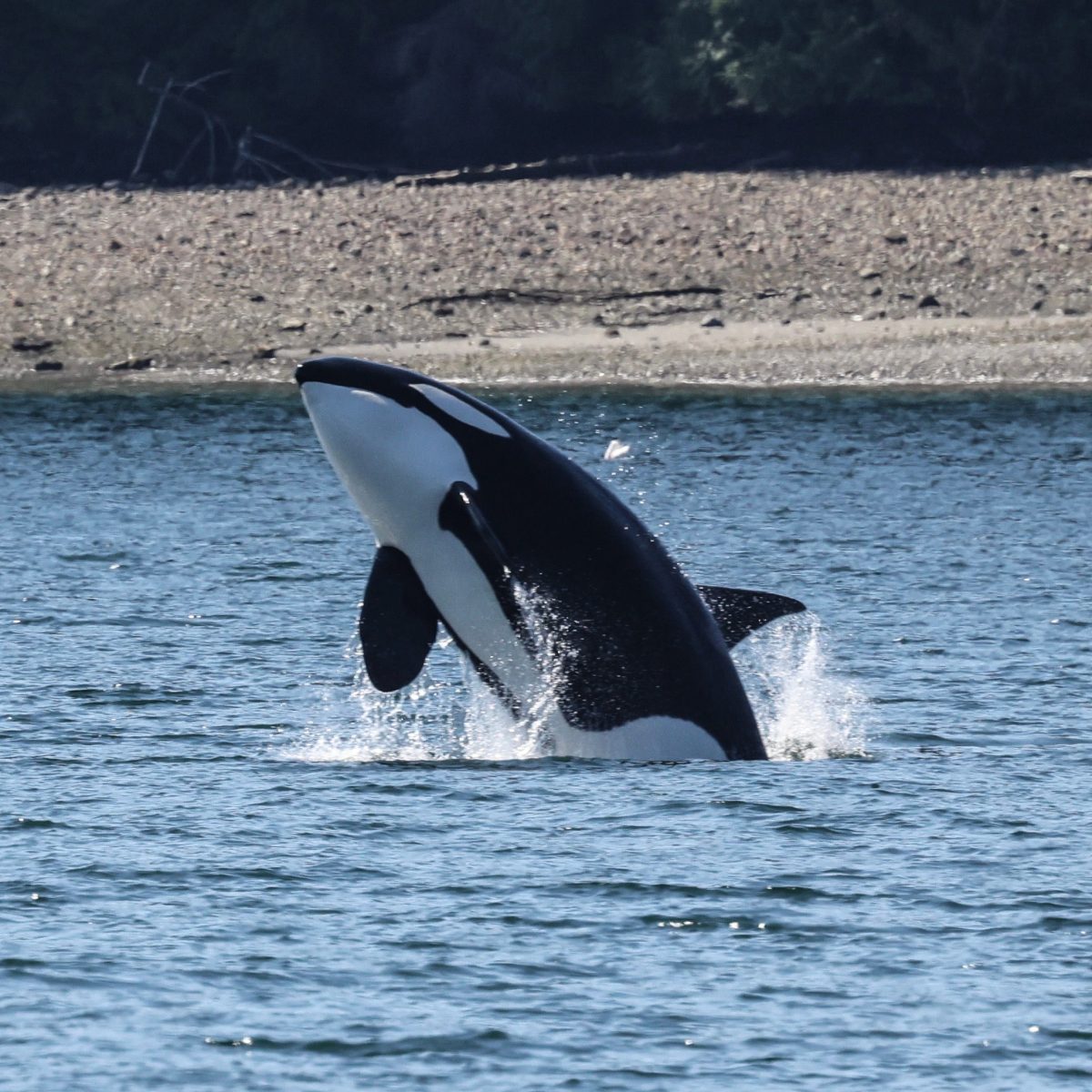
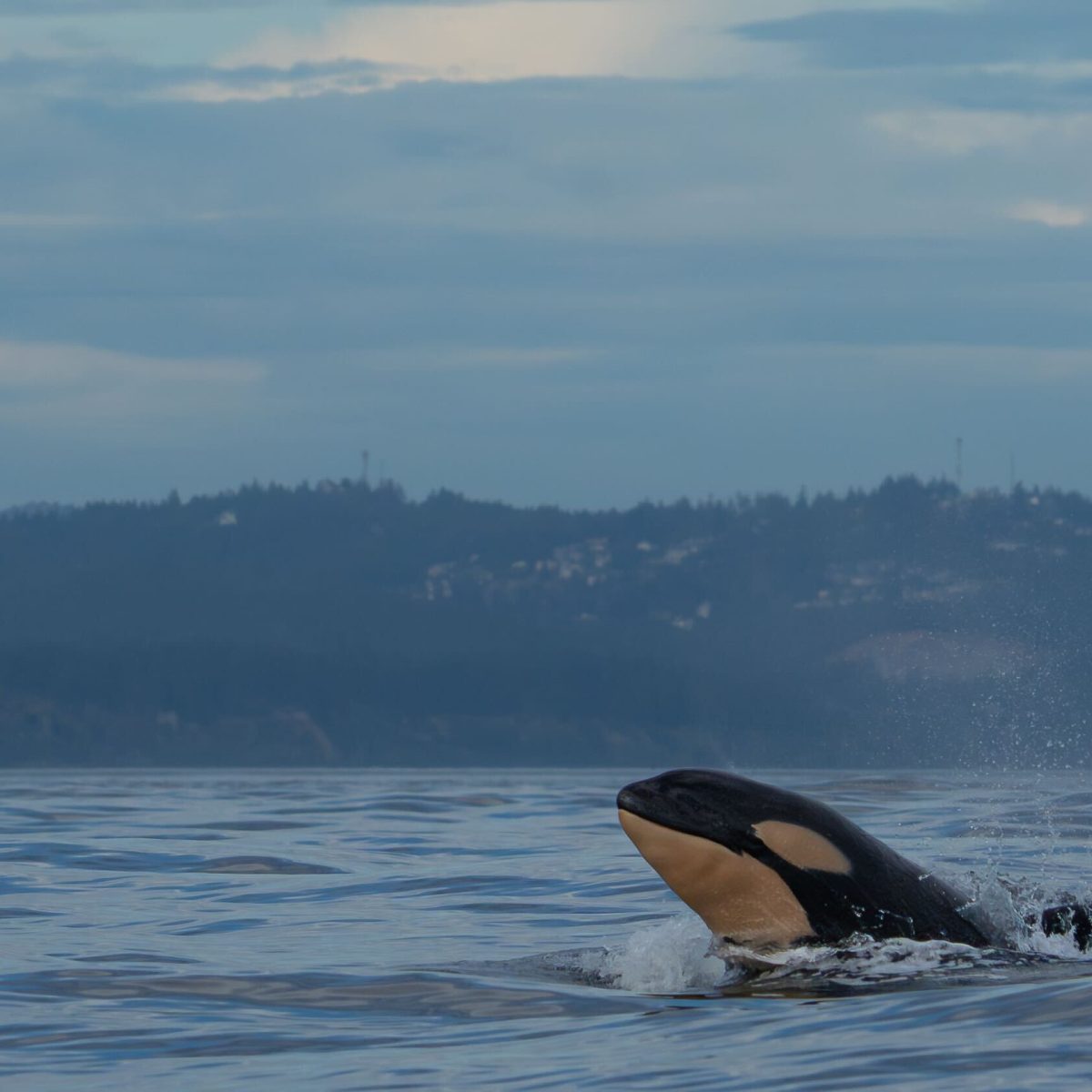
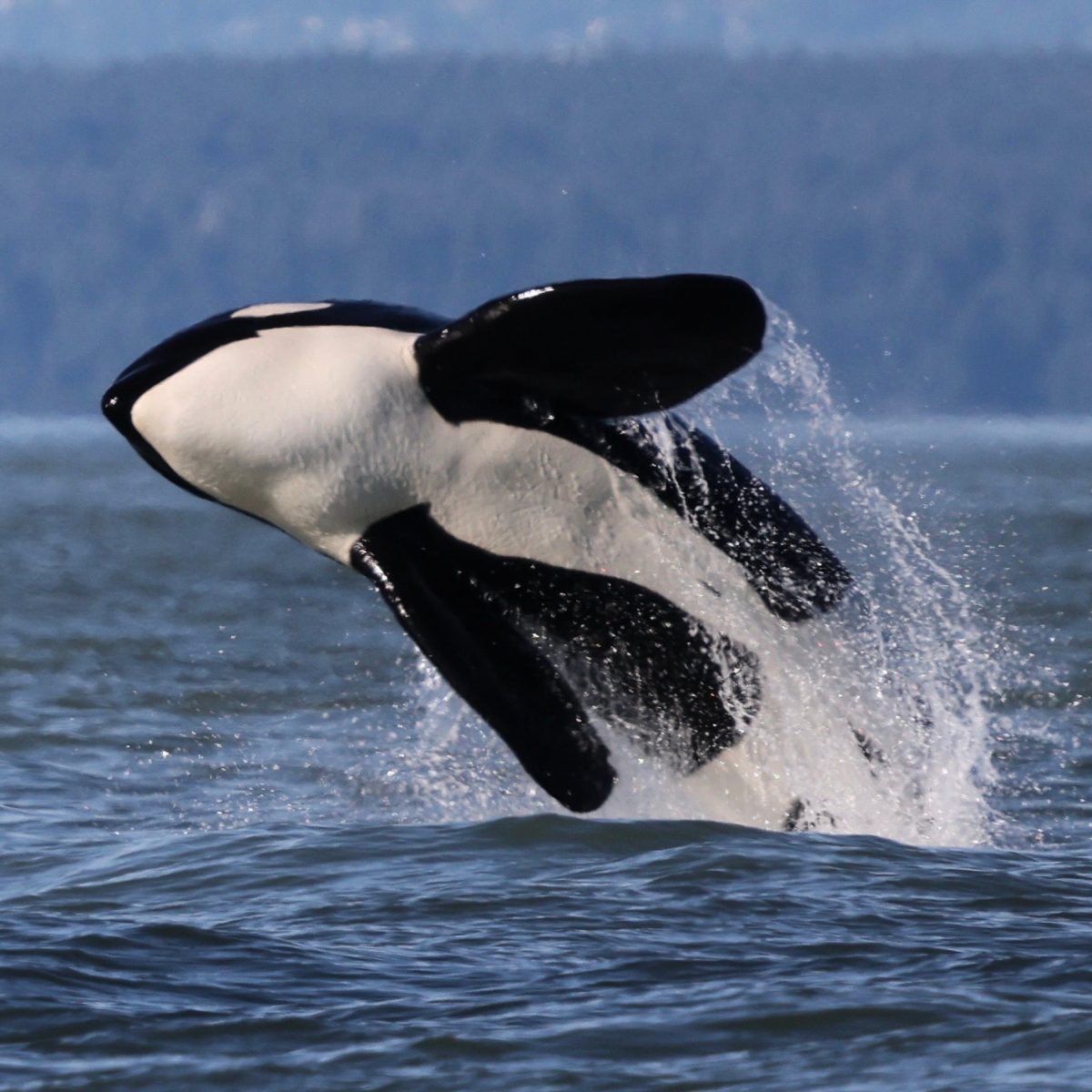
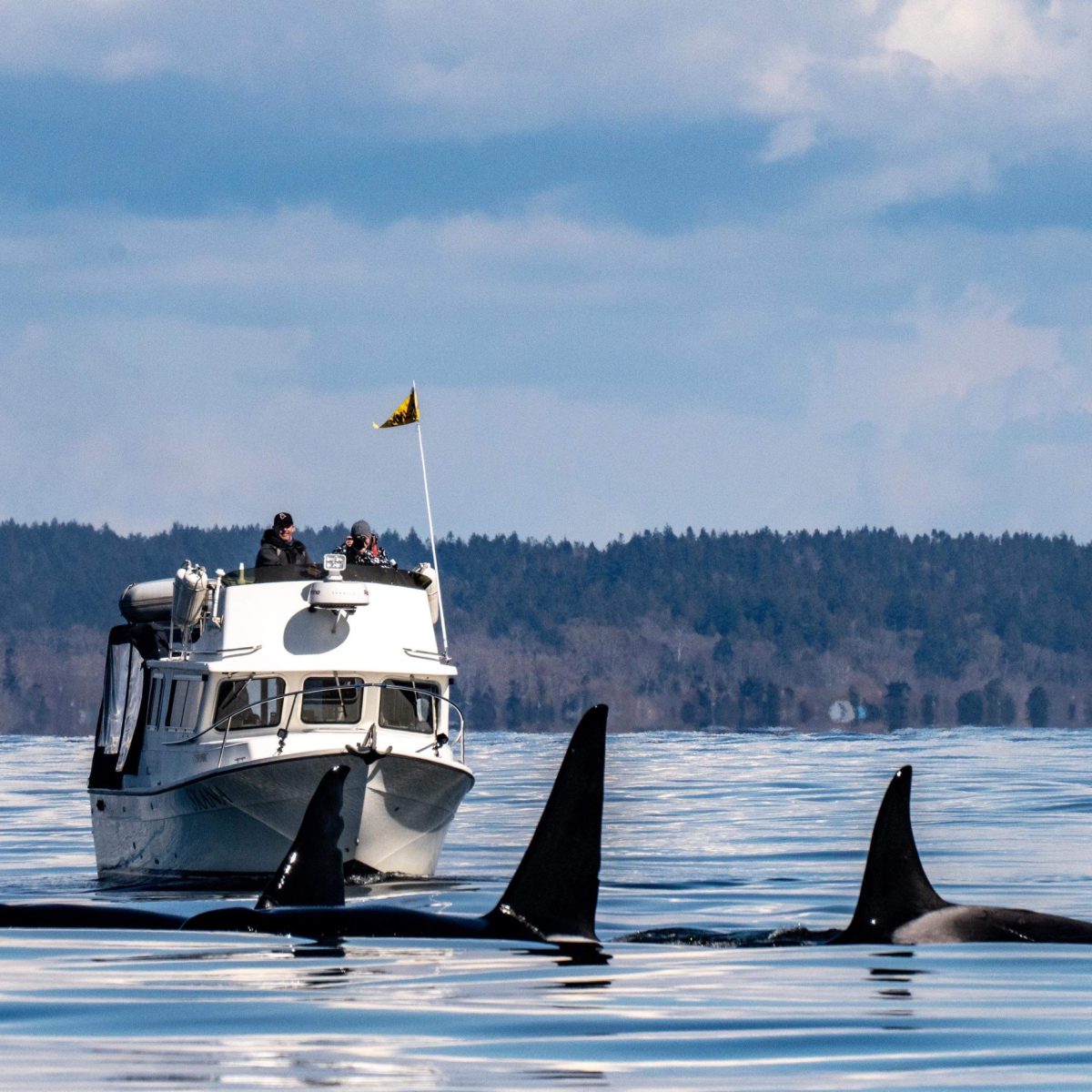
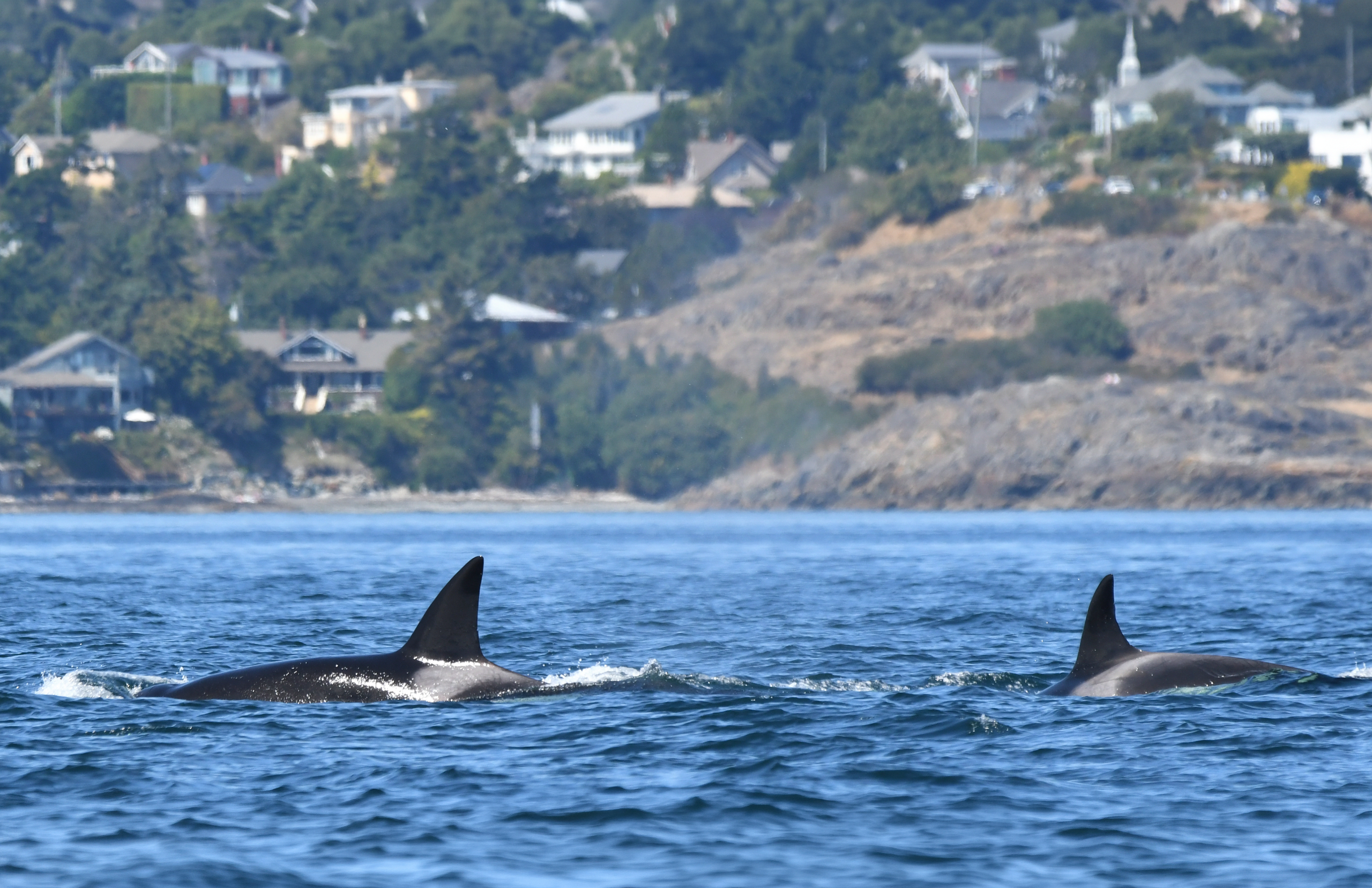
On July 29, our crew had the privilege of encountering a family of Bigg’s killer whales that has rarely, or perhaps never before, been documented in the Salish Sea. To the best of our knowledge, this is the first recorded sighting of this family in these waters, making it a remarkable encounter for both whale watchers and researchers alike.
The family consisted of T135, also known as Dawn, an estimated 41-year-old female, alongside two of her offspring: T135C, a 26-year-old male, and T135F, a 14-year-old female. Dawn is an experienced matriarch with seven known offspring, five of whom are still alive. She is also known to have at least six grand-calves.
This family has historically been seen primarily in Californian waters, where they are known as the CA027s. Most of their sightings have occurred between San Miguel Island and Santa Cruz Island, making their appearance in British Columbia exceptionally unusual.
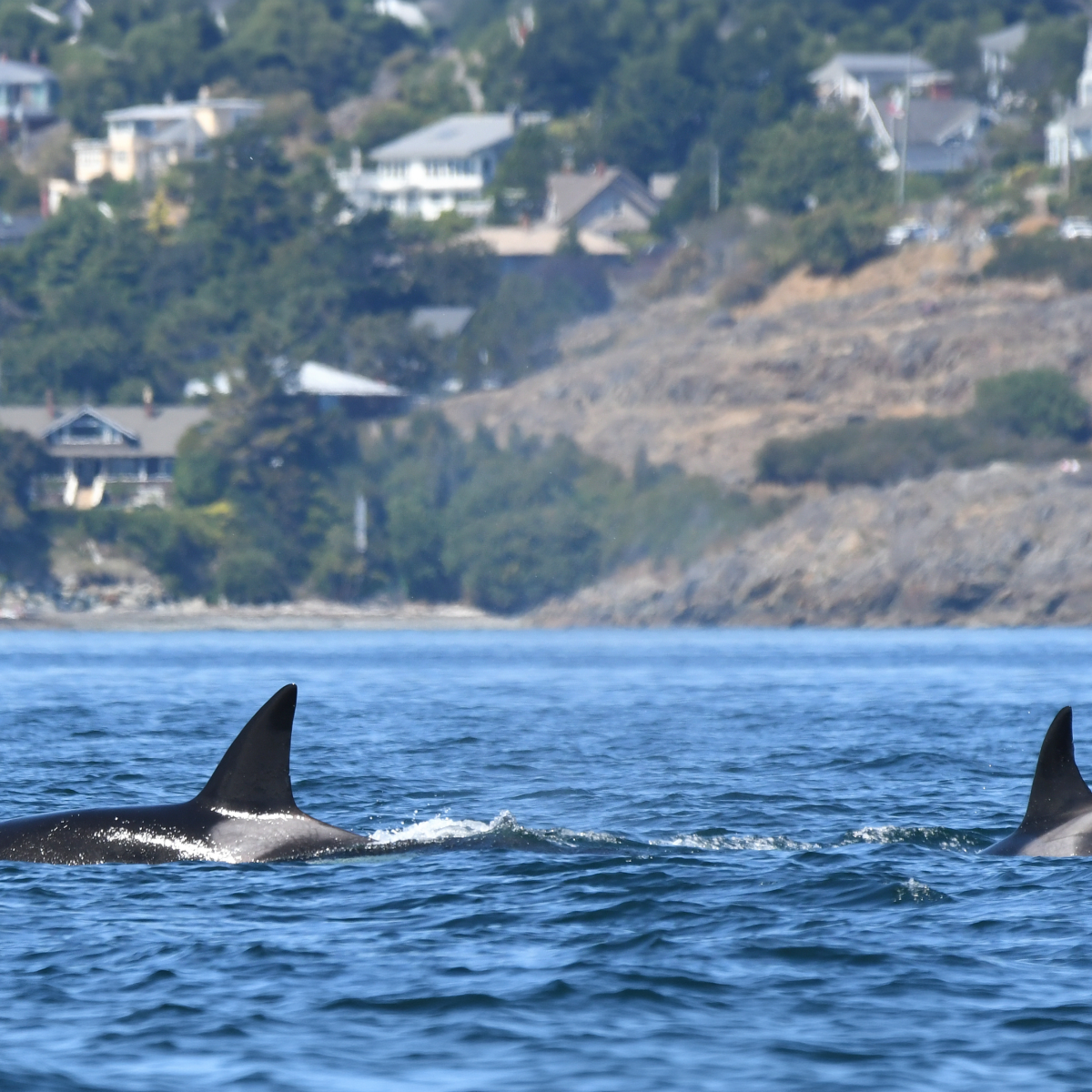
Their recent movements have been fascinating to follow. The family was first documented on July 27, travelling with members of the T036B family near Port Angeles Harbour. On July 28, the two groups continued north toward Rosario Strait before the T135s turned around and began travelling west, passing Victoria on July 29 as they made their way toward the open ocean. Our encounter on July 29 provided another valuable record of their movements through the region.
Our naturalists believe it is possible that the T036B family introduced the T135s to the area. While it is impossible to know with certainty what brought these whales to the Salish Sea, one possibility is that their association provided mating opportunities. Continued observations will help researchers better understand these movements and relationships.
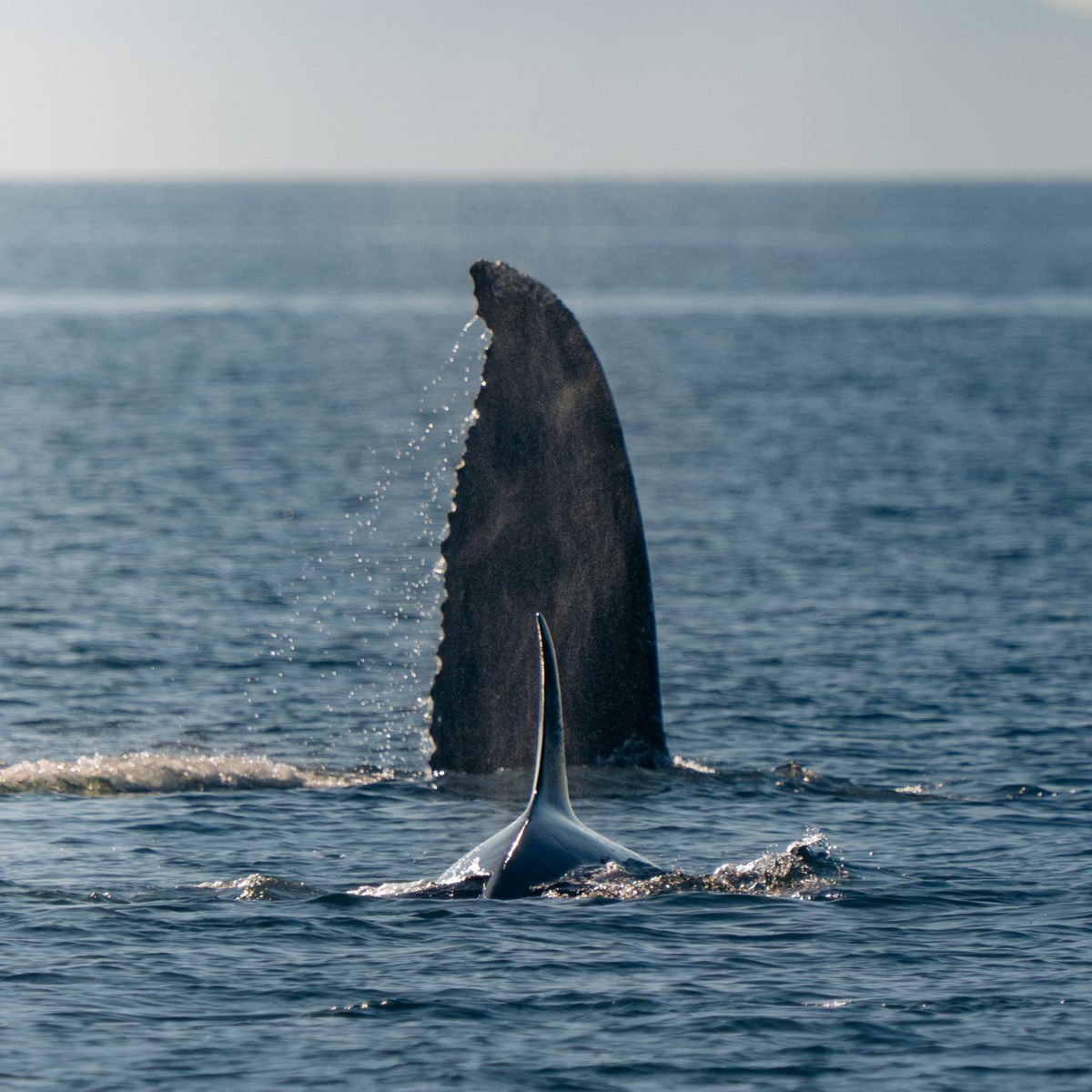
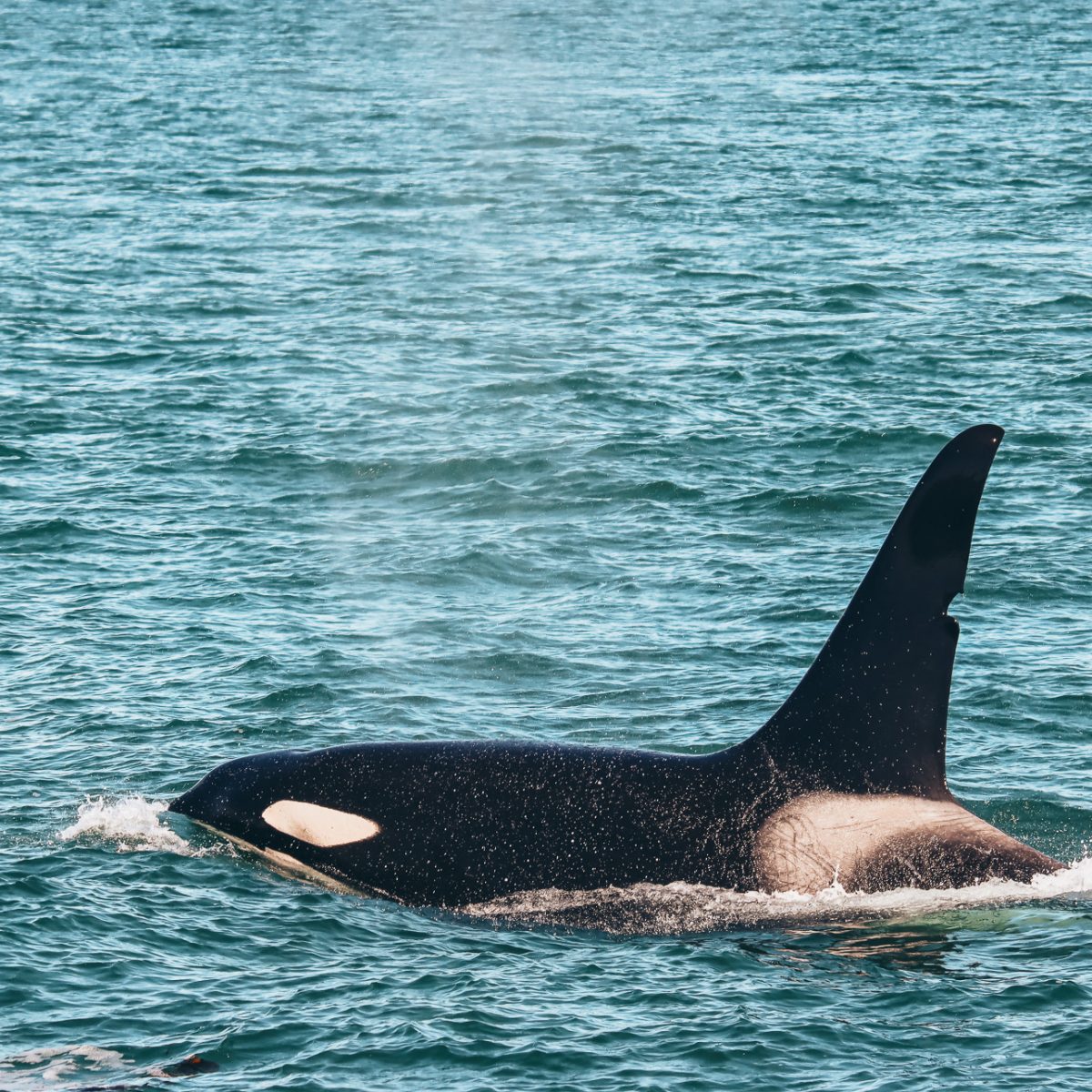
One of the easiest whales in the family to identify is T135C. His dorsal fin contains several distinctive nicks and notches that make him immediately recognizable in photographs. Combined with the unique markings of the other family members, these features allow researchers to confidently identify each individual through photo-identification. We continue to see new families and, occasionally, individuals or groups that have rarely, if ever, been documented in our waters. Every new sighting expands our understanding of how killer whales use the Pacific coast and highlights just how much there is still to learn.
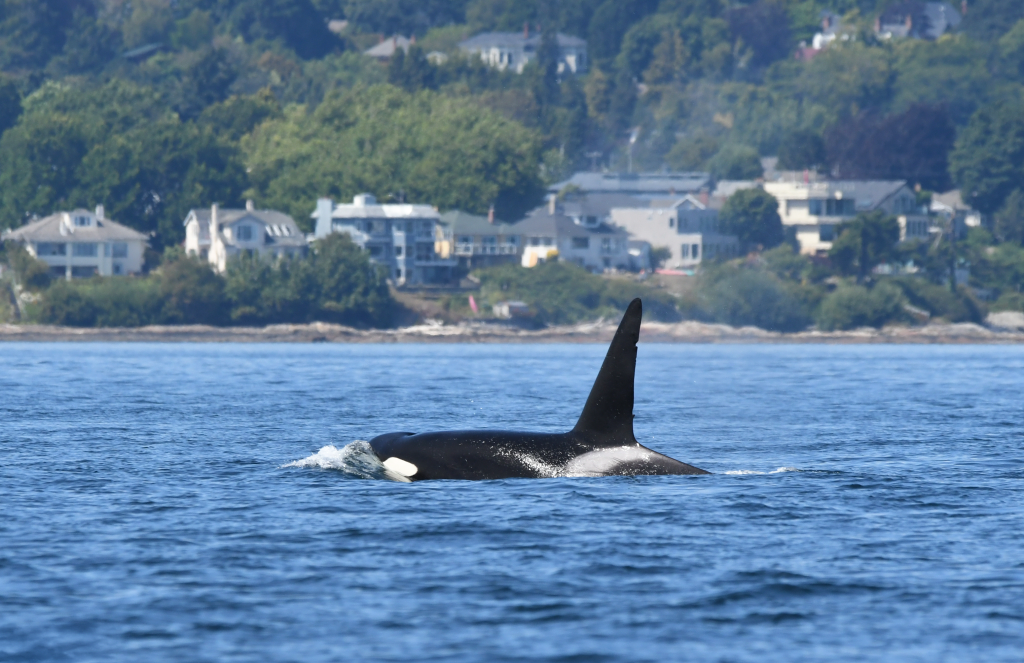
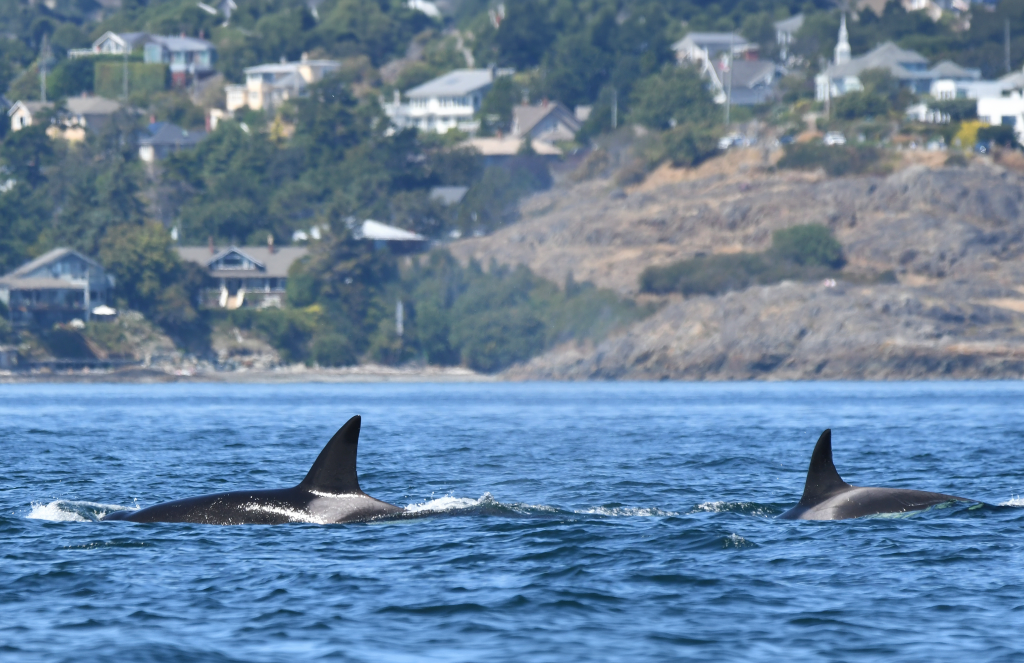
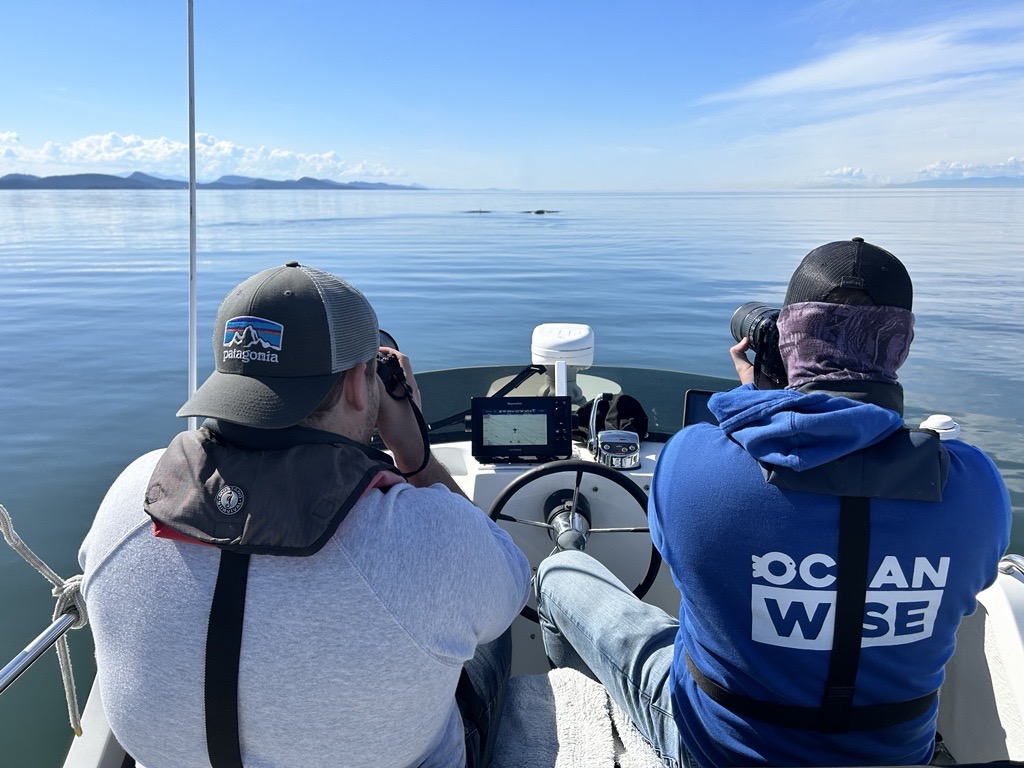
This family was documented by whale watching vessels on a few occasions during the time they were here, providing an important opportunity to contribute to ongoing research. Because there are relatively few photo identification records of these whales, every high-quality photograph helps researchers better recognize individual animals, document their movements, and improve our understanding of their population. These observations can play an important role in supporting future conservation efforts.
Thanks to our partners at Bay Cetology and Finwave, we were able to identify this family. We are especially proud that our support for Finwave has helped make rapid identification and data sharing possible. By investing in collaborative research tools like Finwave, we are helping ensure that every encounter, especially rare ones like this, contributes to a growing body of scientific knowledge that supports the long-term conservation of killer whales along our coast.