BACK


October 30, 2026
Why Black Bears Love Vancouver Island’s Shorelines
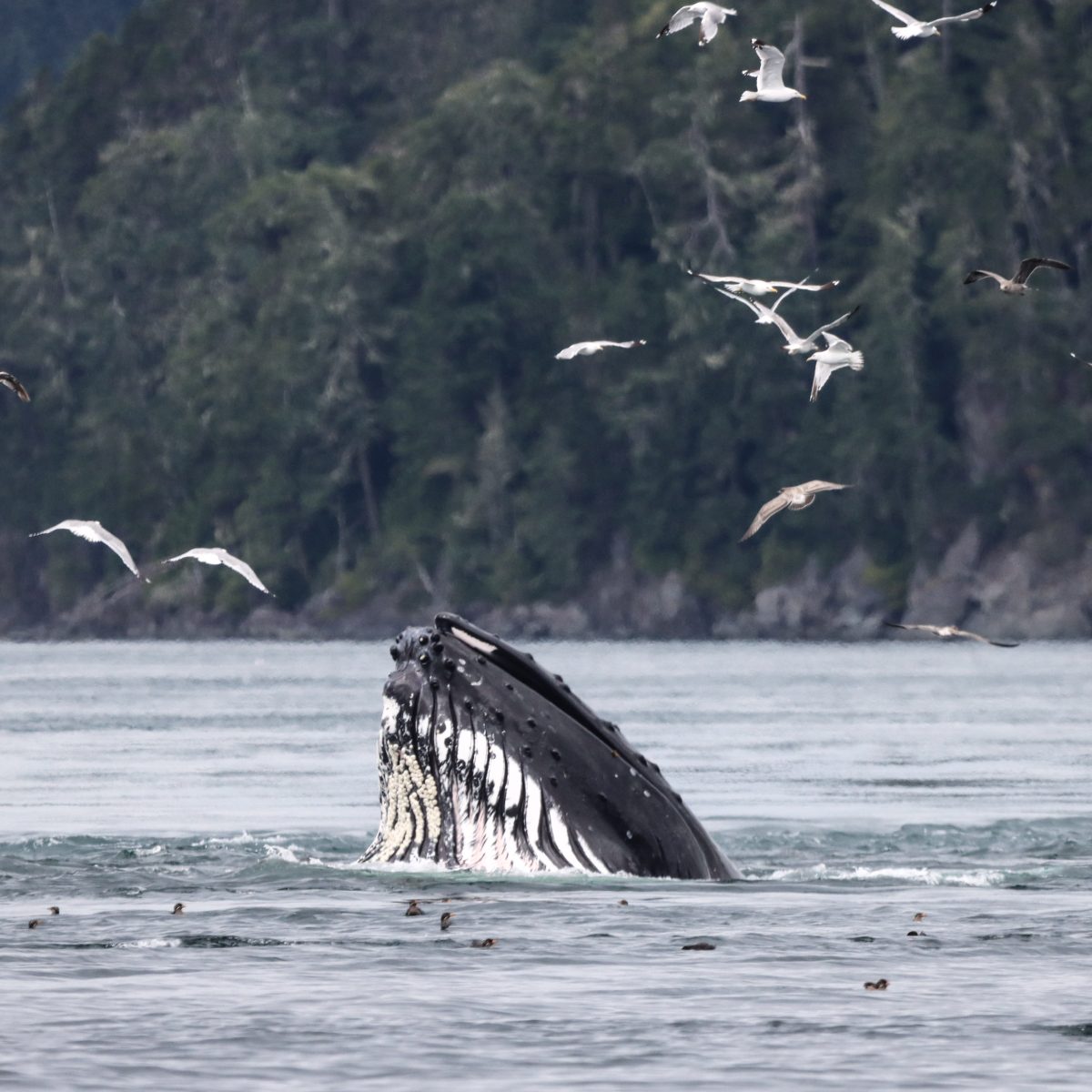
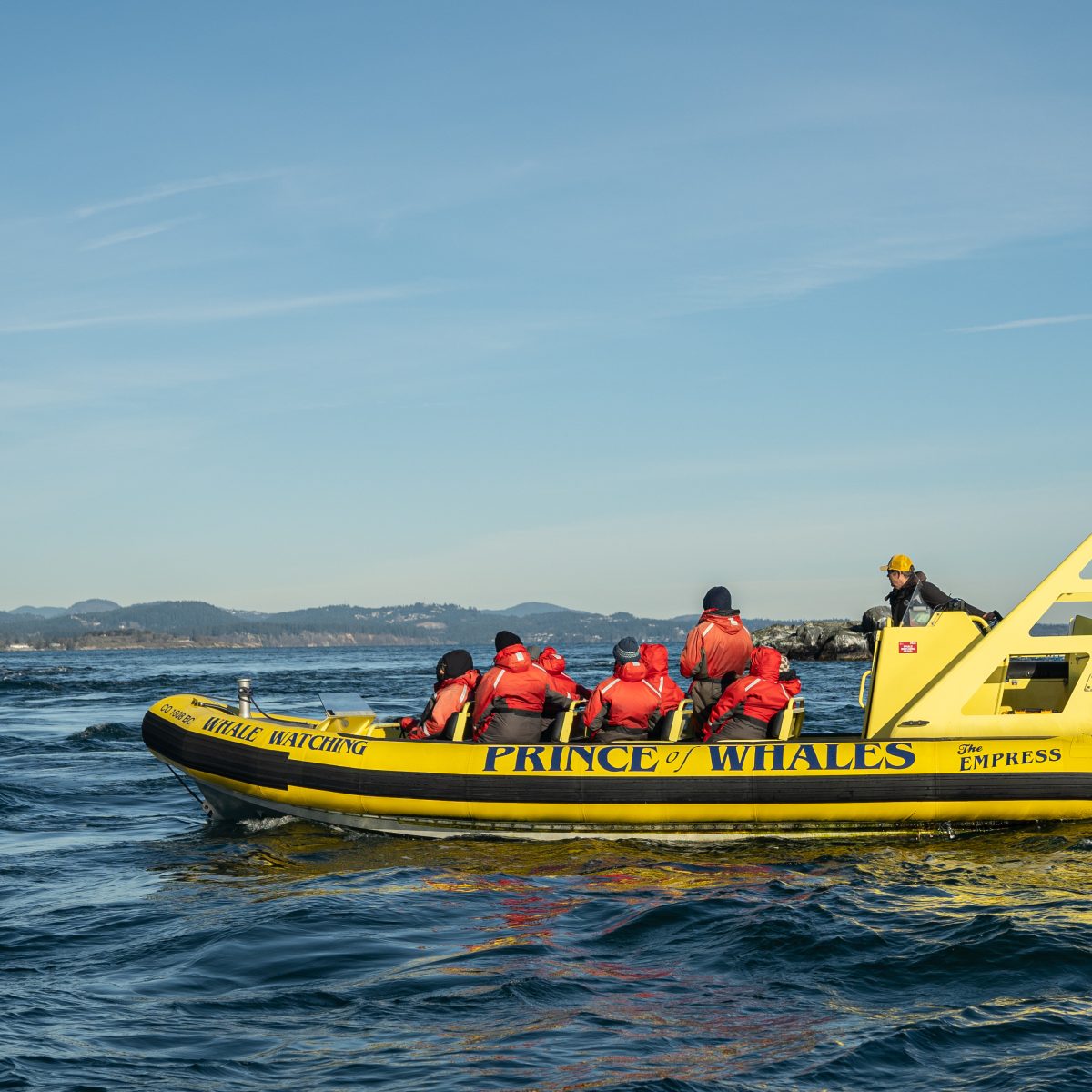
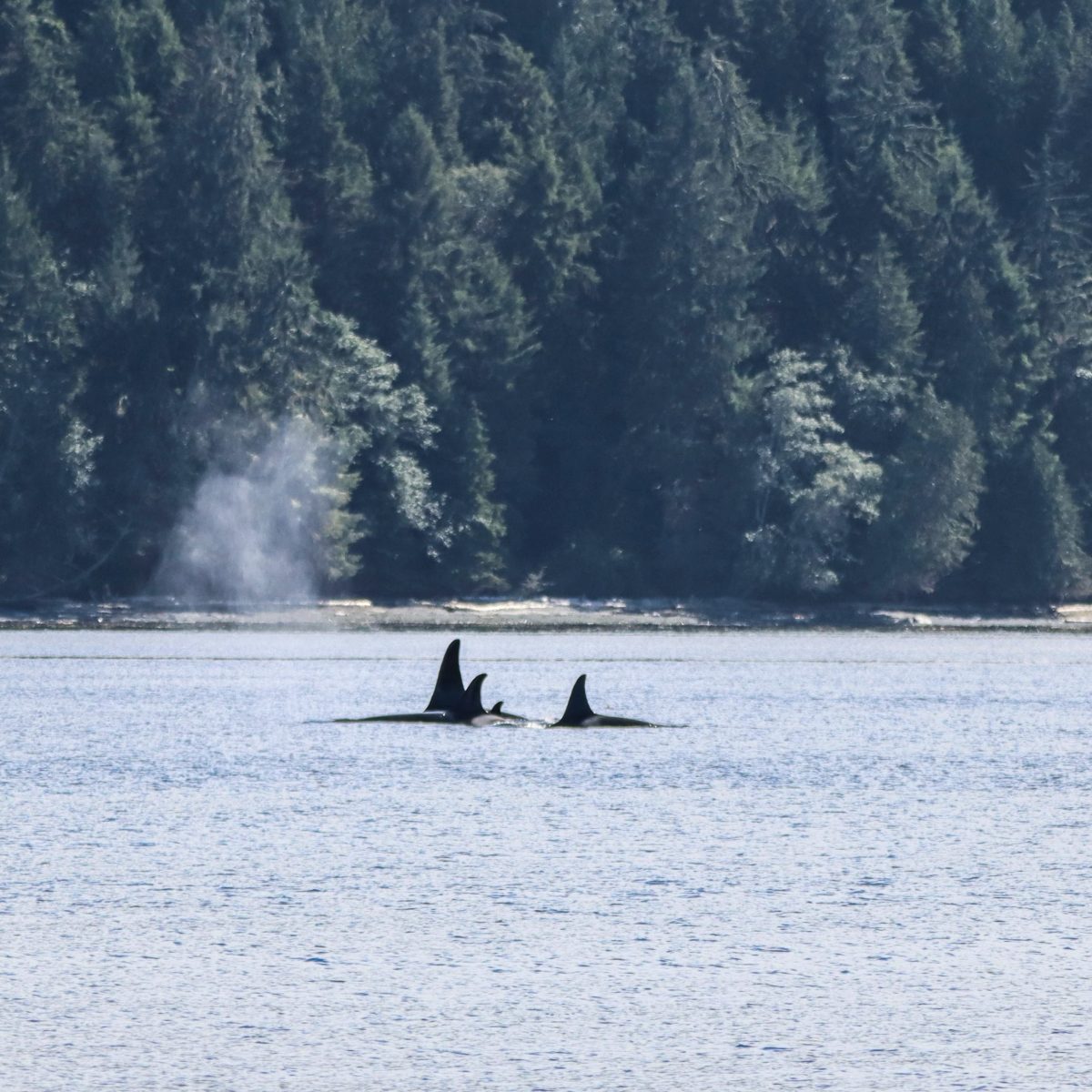
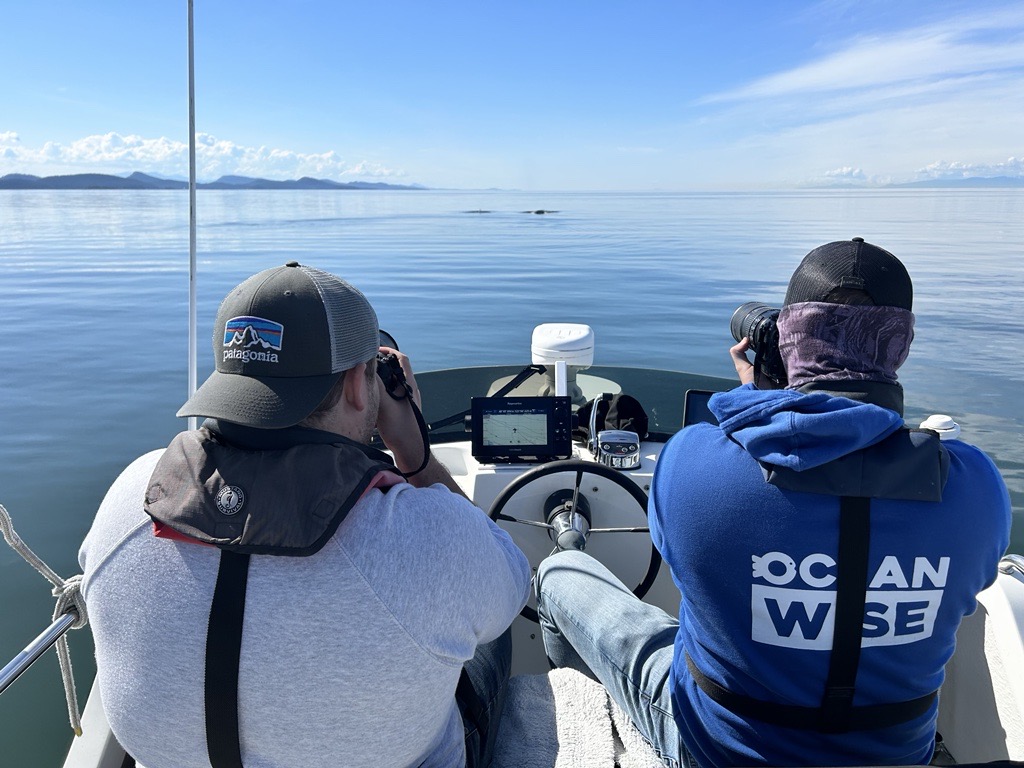
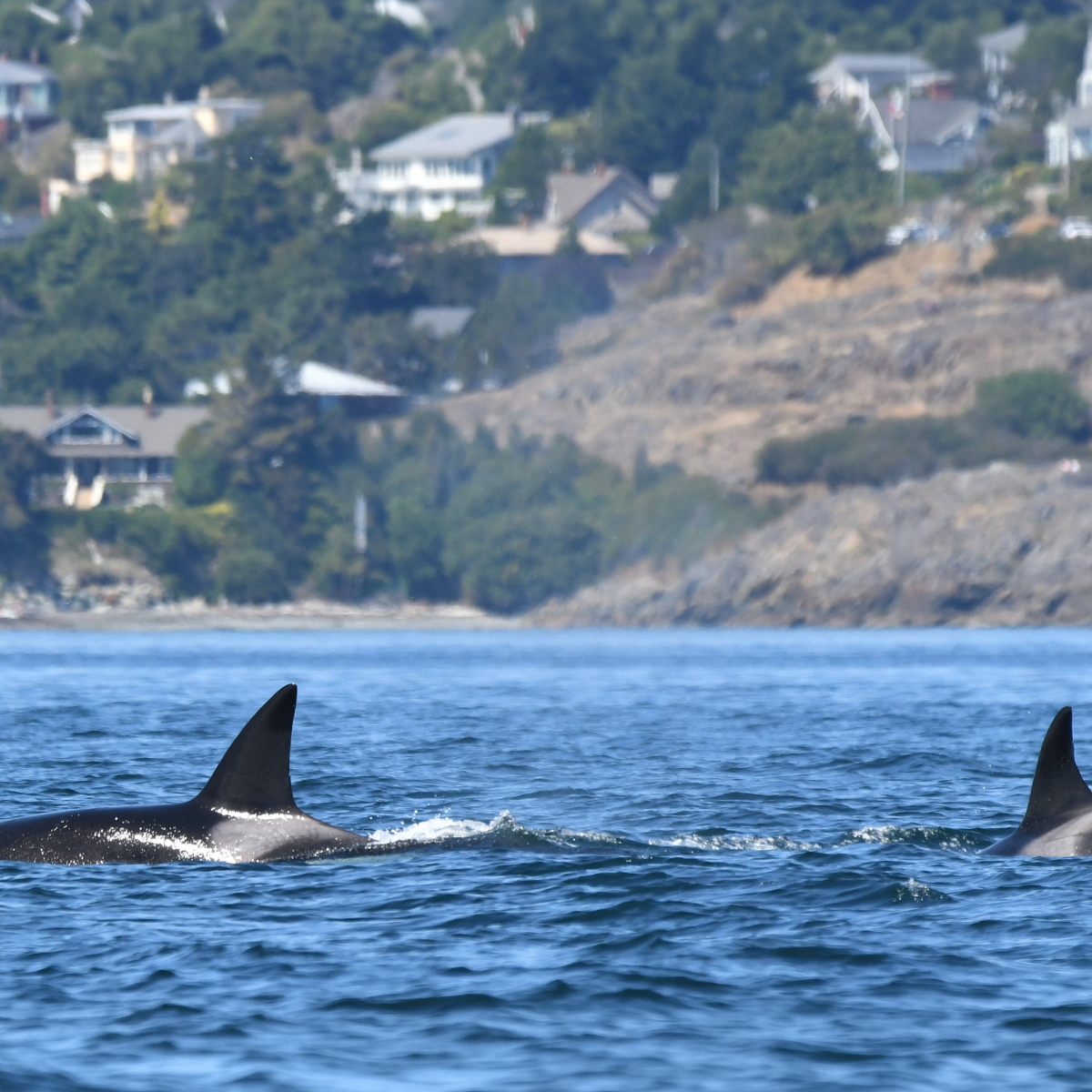
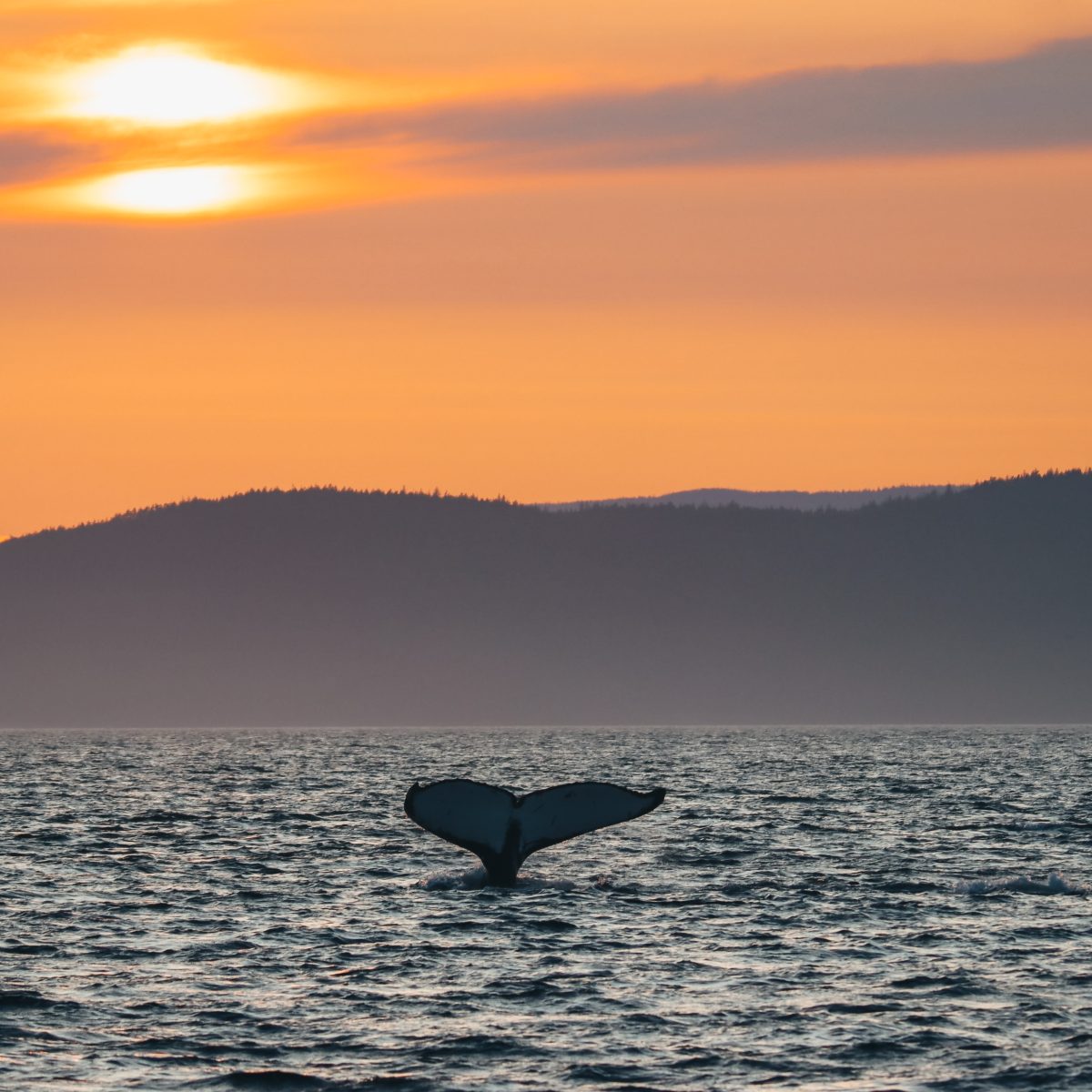
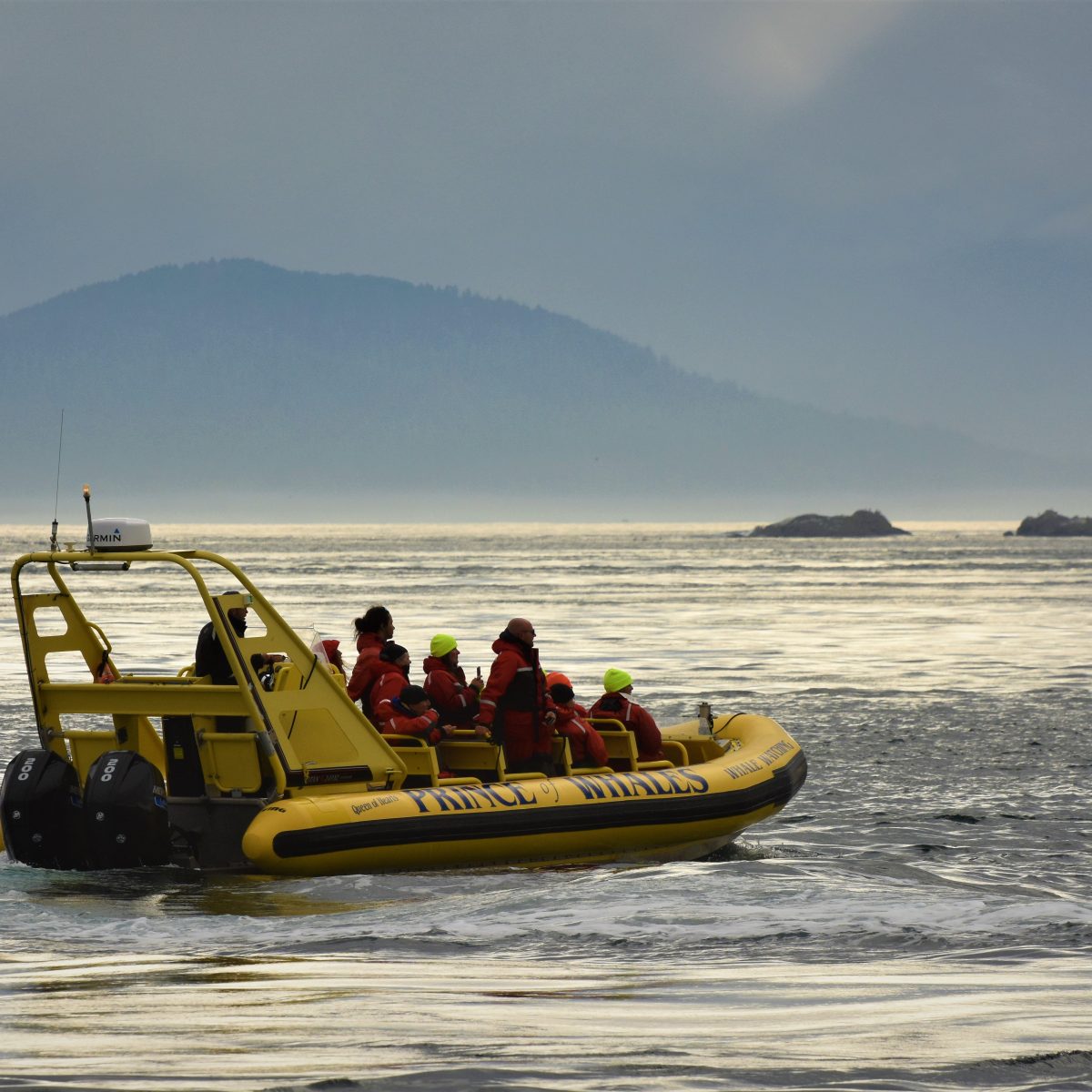
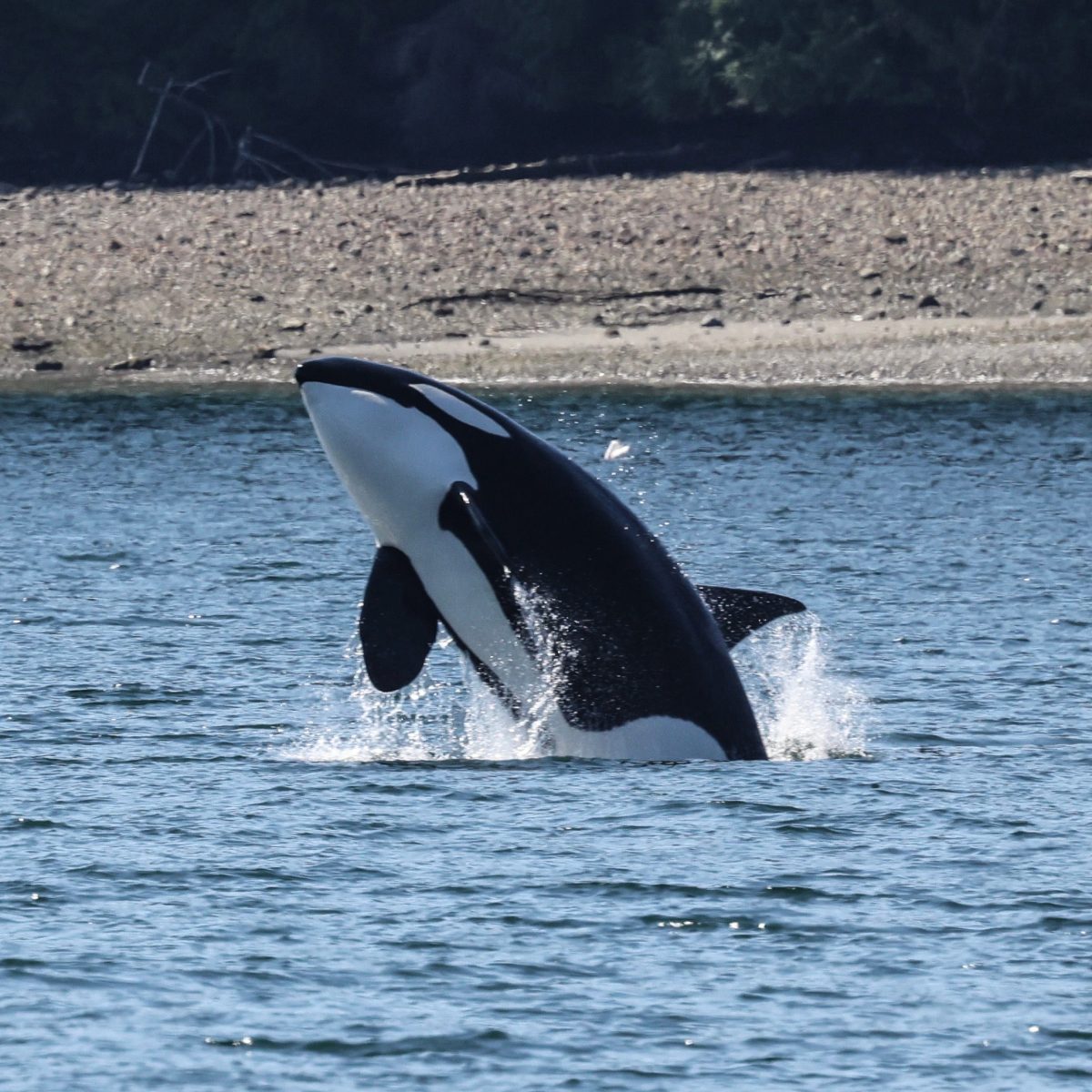
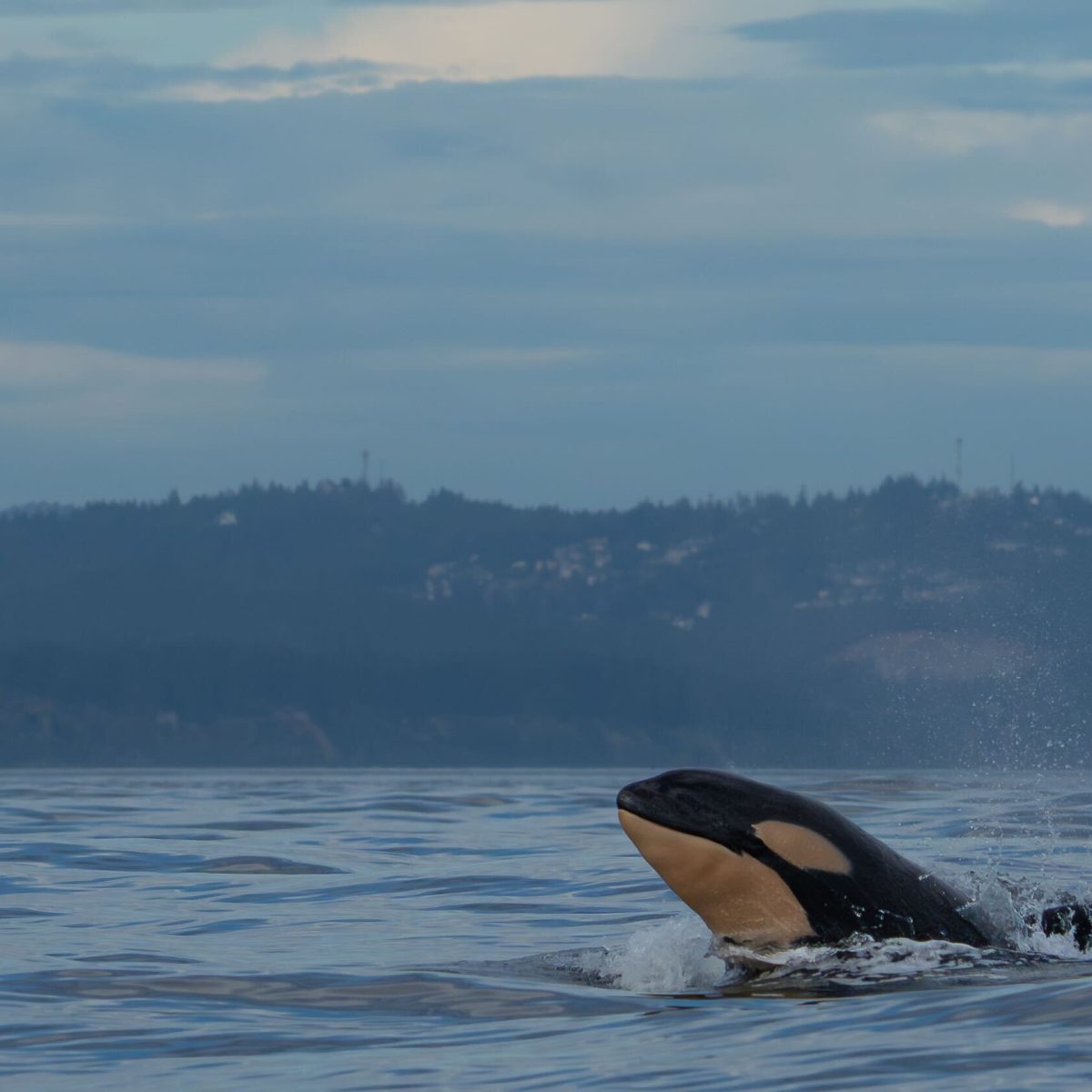
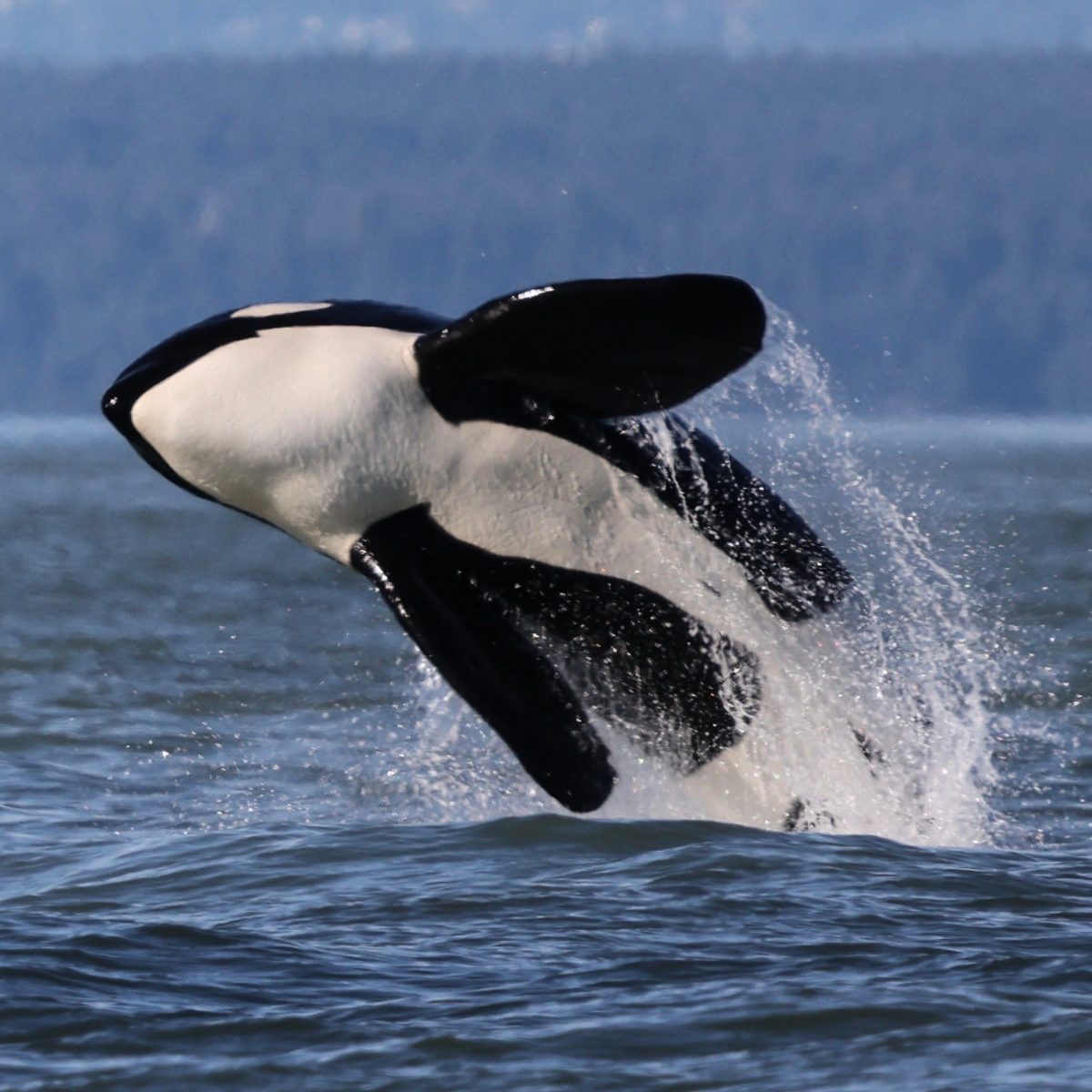
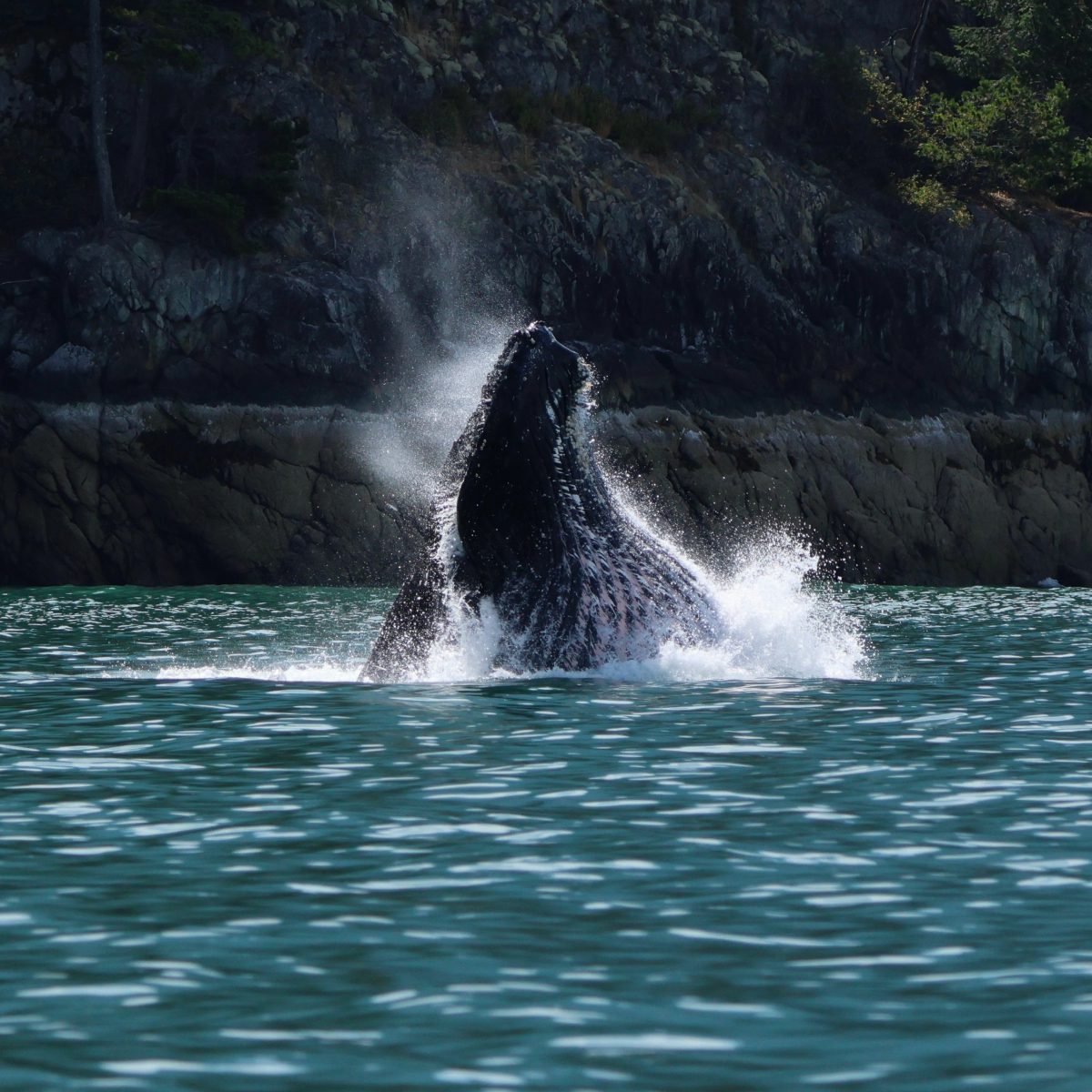
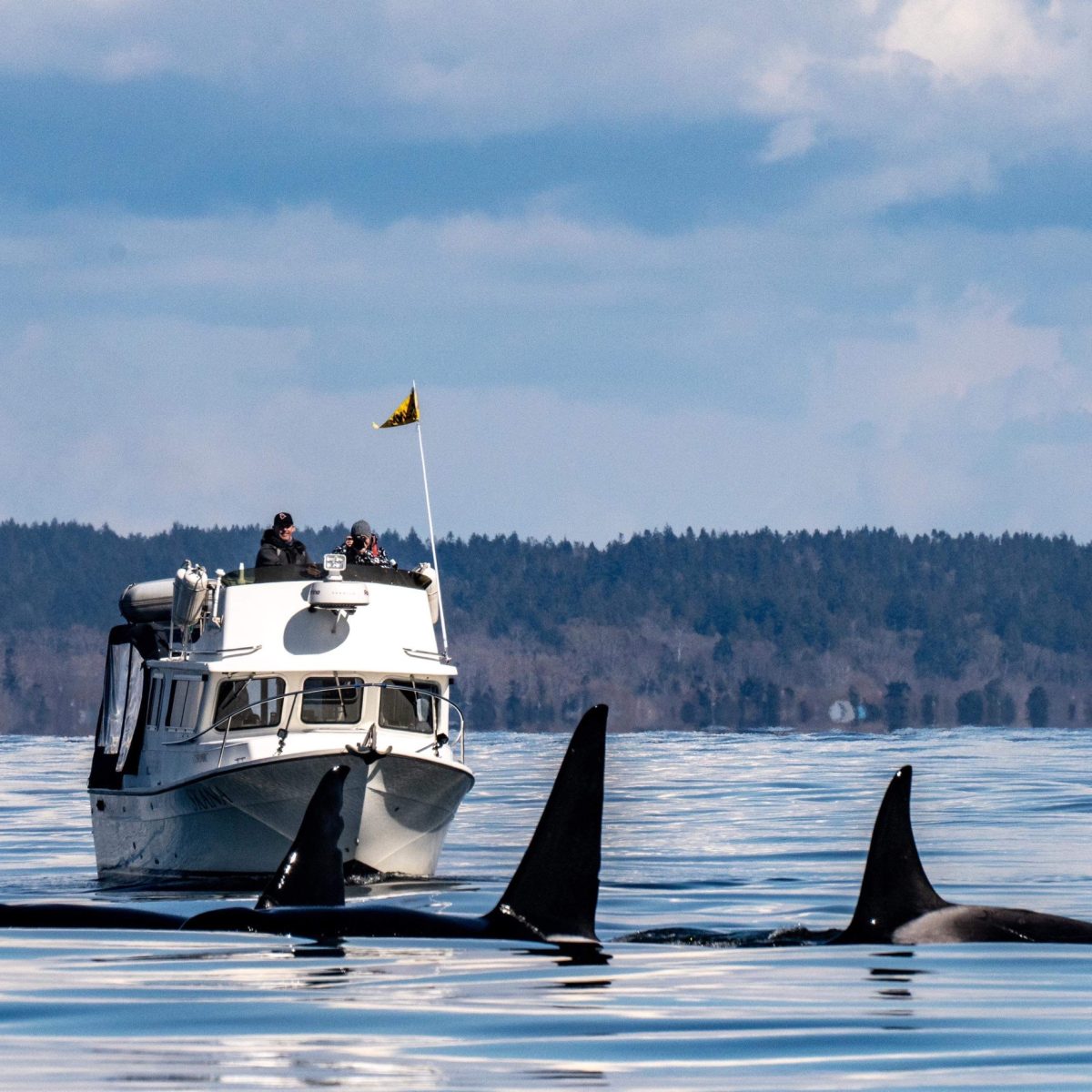
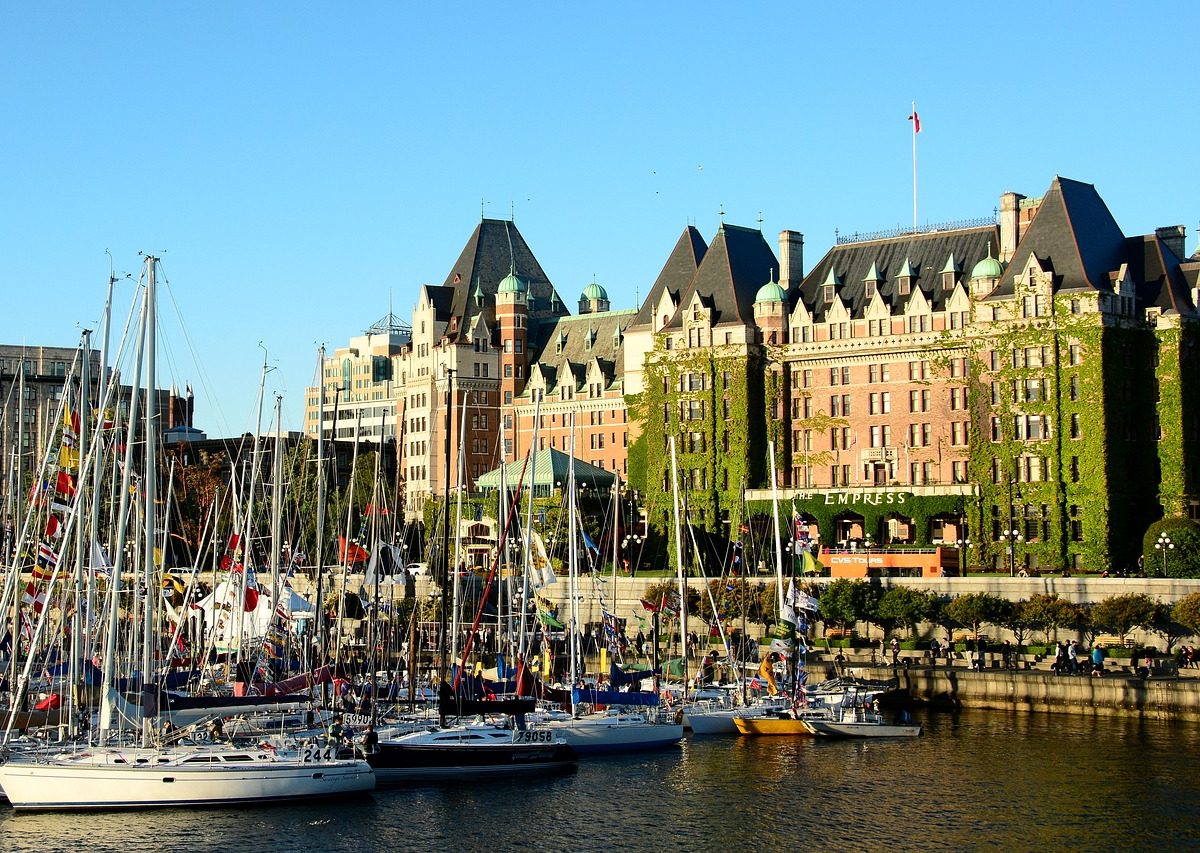
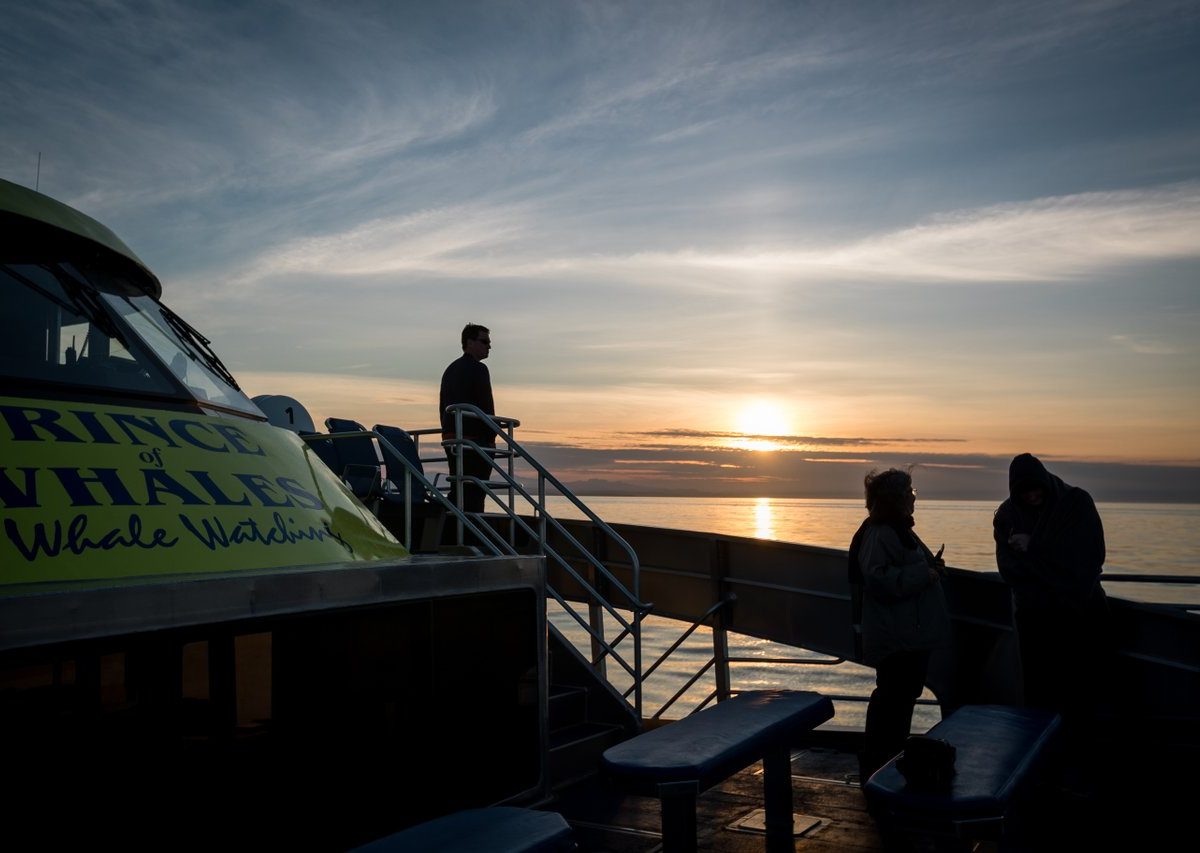
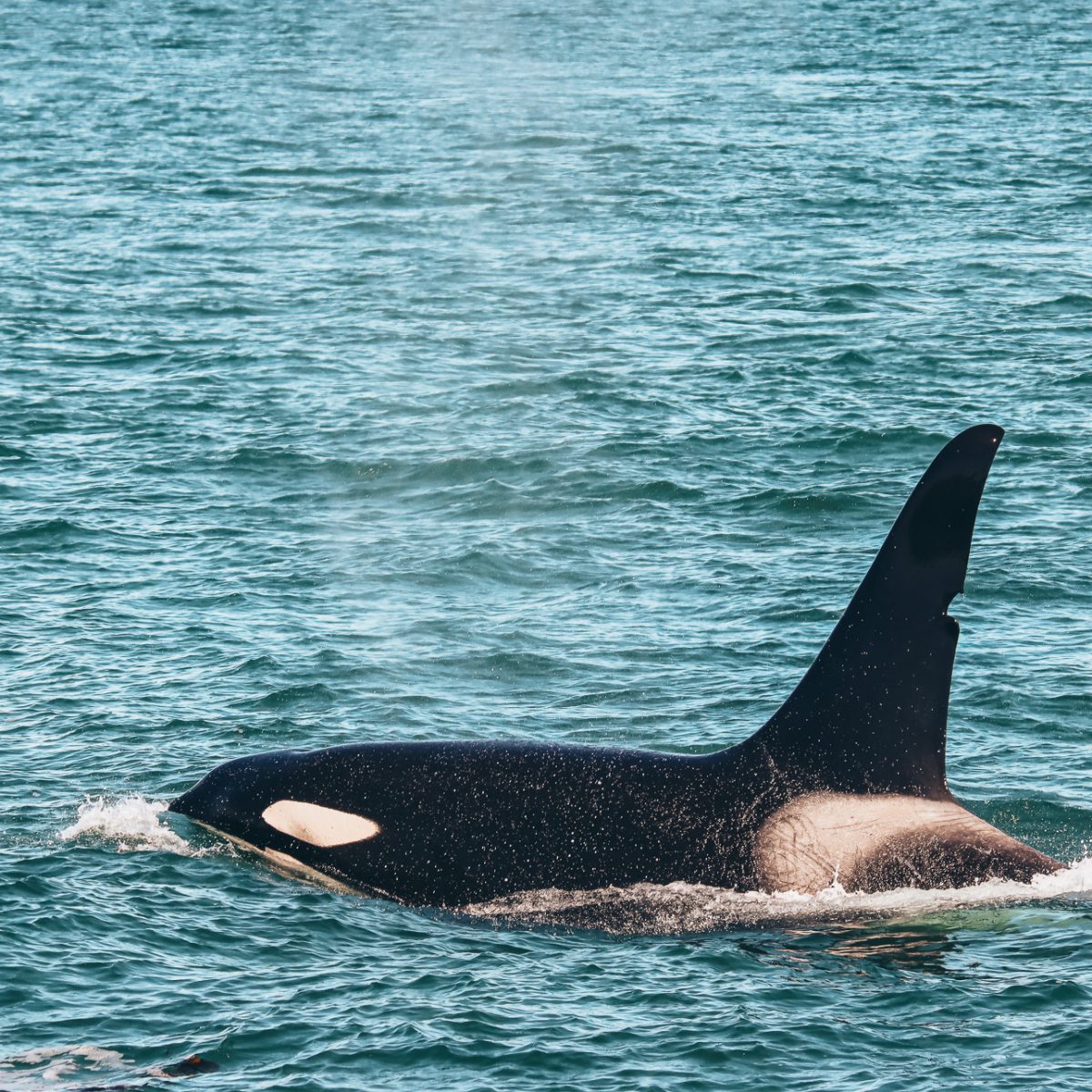
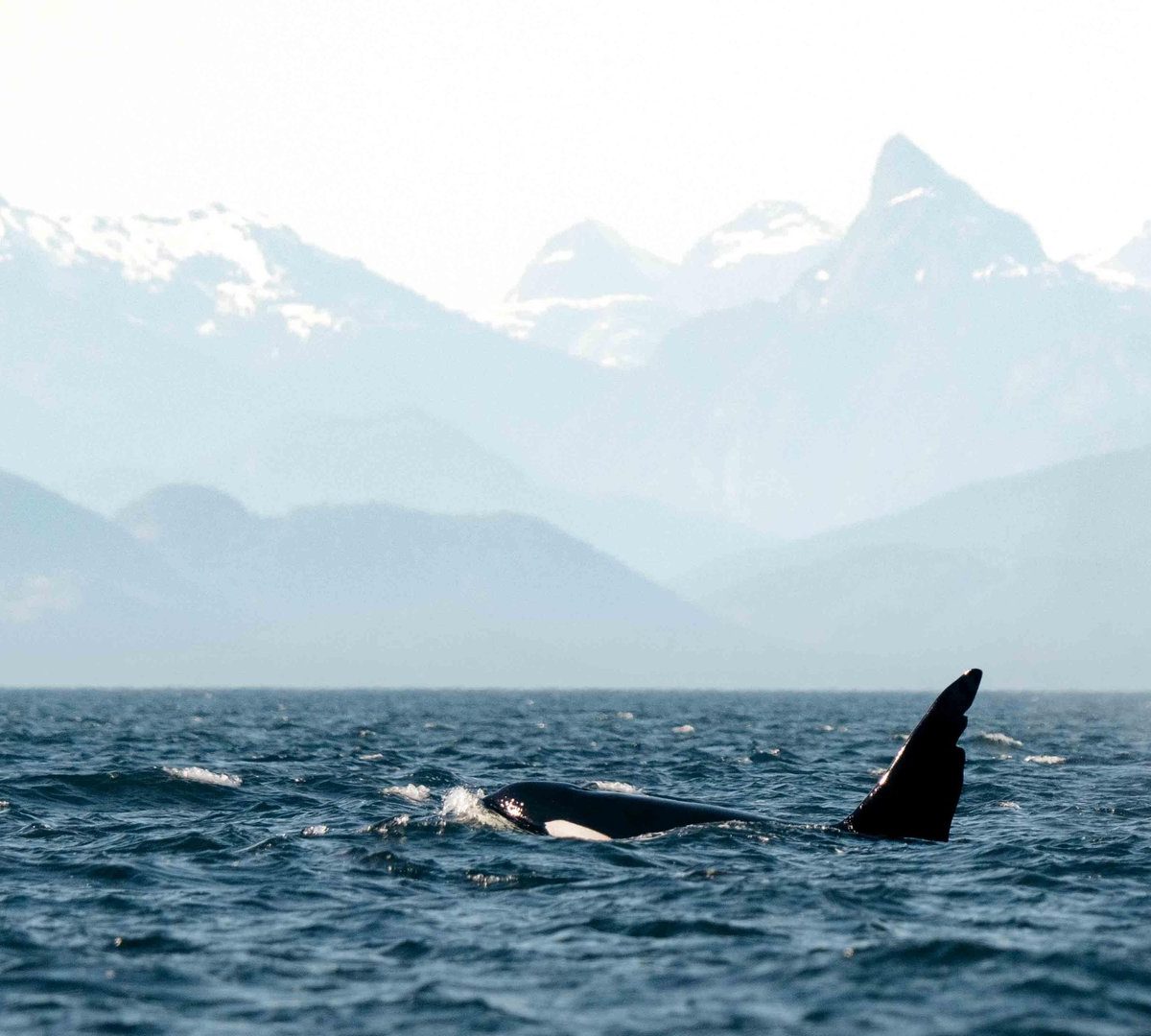
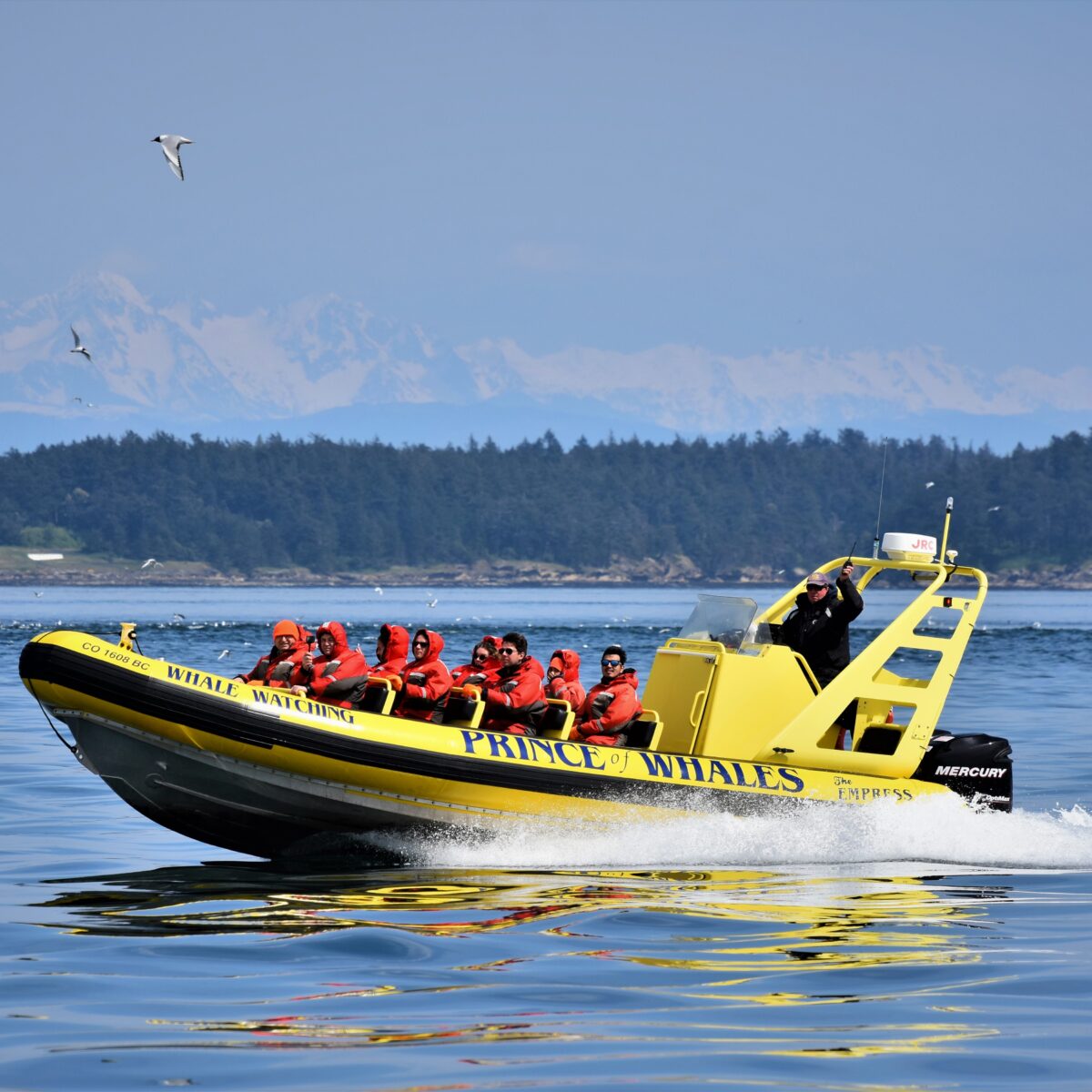
When guests step aboard our vessels in Victoria or Telegraph Cove, their eyes are almost always locked on the horizon. They’re scanning for the sudden blow of a humpback whale or the towering black dorsal fin of an orca.
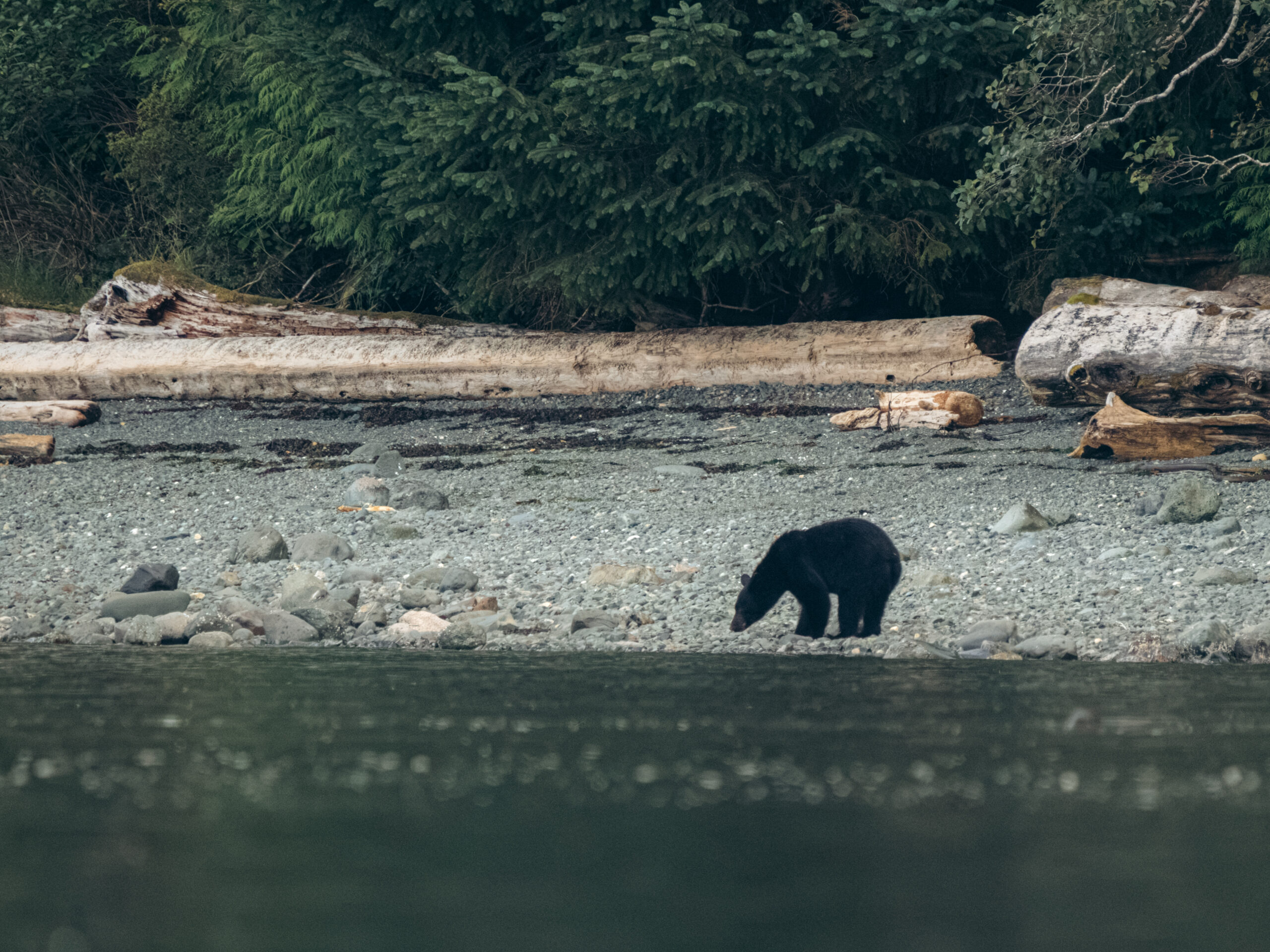
While the open water commands our attention, our naturalists and skippers always keep a trained eye on the shoreline. Every so often, the rocky beaches offer up one of the coast’s most exciting surprise encounters: a Vancouver Island black bear foraging right at the water’s edge.
One of the Densest Bear Populations on Earth
Vancouver Island is home to an estimated 7,000 to 9,000 black bears, representing one of the highest black bear densities in North America. The local population is a recognized subspecies, the Vancouver Island black bear (Ursus americanus vancouveri). Because they evolved in an isolated island ecosystem rich in maritime resources, they are generally larger than their mainland counterparts and have adapted to take full advantage of both temperate rainforests and coastal marine life.
The Intertidal Buffet: Why Low Tide Changes Everything
Bears don’t wander down to the salt water just to enjoy the view. Their presence on the shoreline is directly tied to the rhythm of the tides. When the tide recedes, it exposes vast shelves of intertidal habitat that function like an open-air seafood buffet:
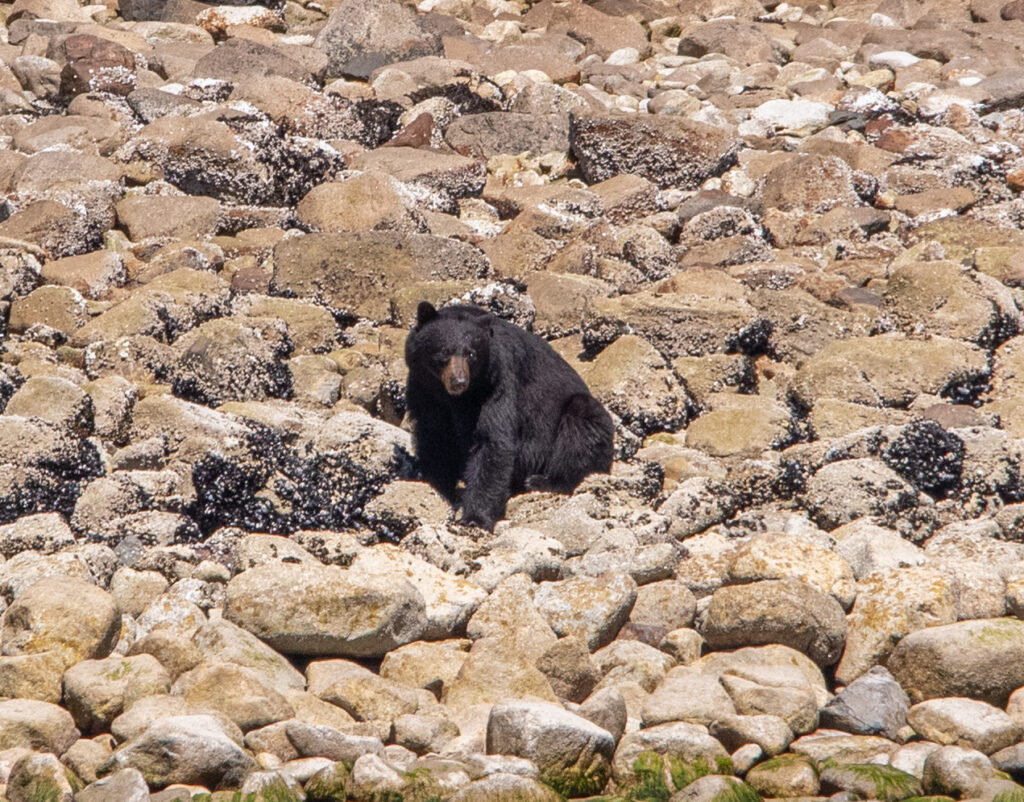
- Flipping Boulders for Crabs: Black bears possess incredible upper-body strength. Guests often watch in awe as a bear effortlessly flips over rocks weighing dozens of pounds to scoop up shore crabs, gunnels, and small sculpins hiding in the damp shadows beneath.
- Marine Protein: Before the autumn salmon runs begin in coastal rivers, the intertidal zone offers vital early-summer protein. Bears actively forage on barnacles, mussels, limpets, and nutrient-dense seaweeds like kelp.
- Scavenging the Drift Line: Ocean currents frequently wash up protein-rich drift line treats, from dead fish and squid to marine mammals that have naturally expired and drifted ashore.
The Forest Meets the Sea
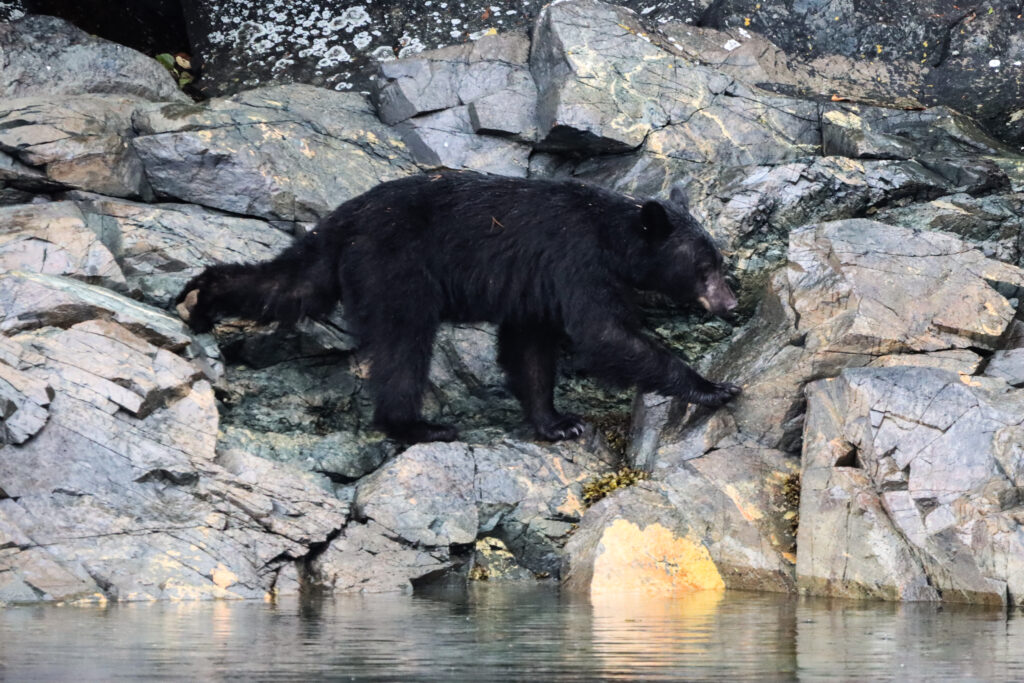
Spotting a massive, dark shape moving along the pale granite beaches and pebble shores highlights the close connection between terrestrial and marine ecosystems in British Columbia. The health of the coastal rainforest is directly tied to the sea, and the animals that call these islands home move seamlessly between the two worlds.
While we never intentionally seek out shoreline wildlife, watching a wild black bear calmly go about its day against the backdrop of mist-shrouded cedar trees is an unforgettable bonus to a day spent searching for whales.
Next time you’re out with us on the water, remember: keep one eye on the swells for blows, and one eye on the rocky beaches, you never know who might be scouring the rocks for lunch!