BACK
BACK


October 8, 2026
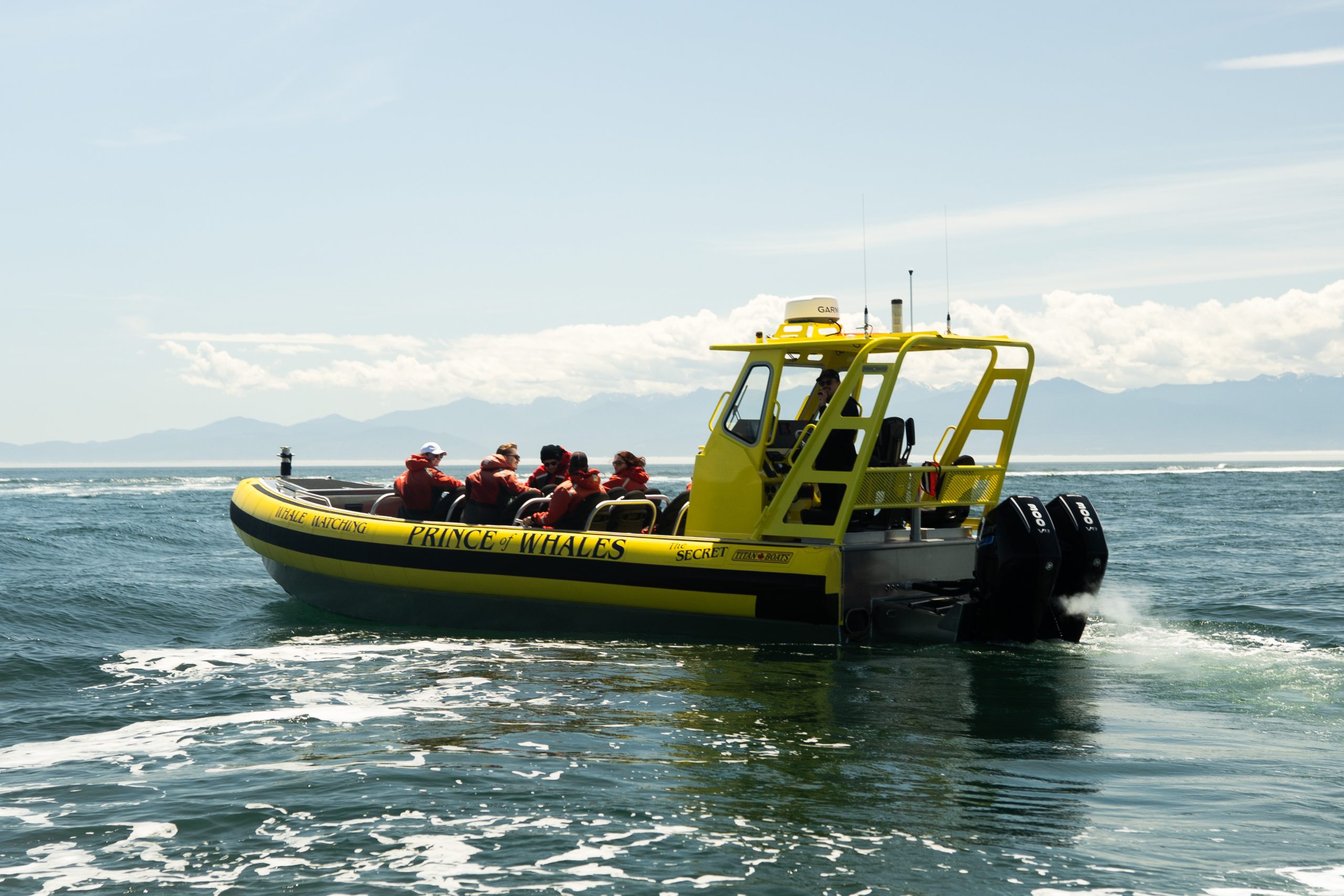
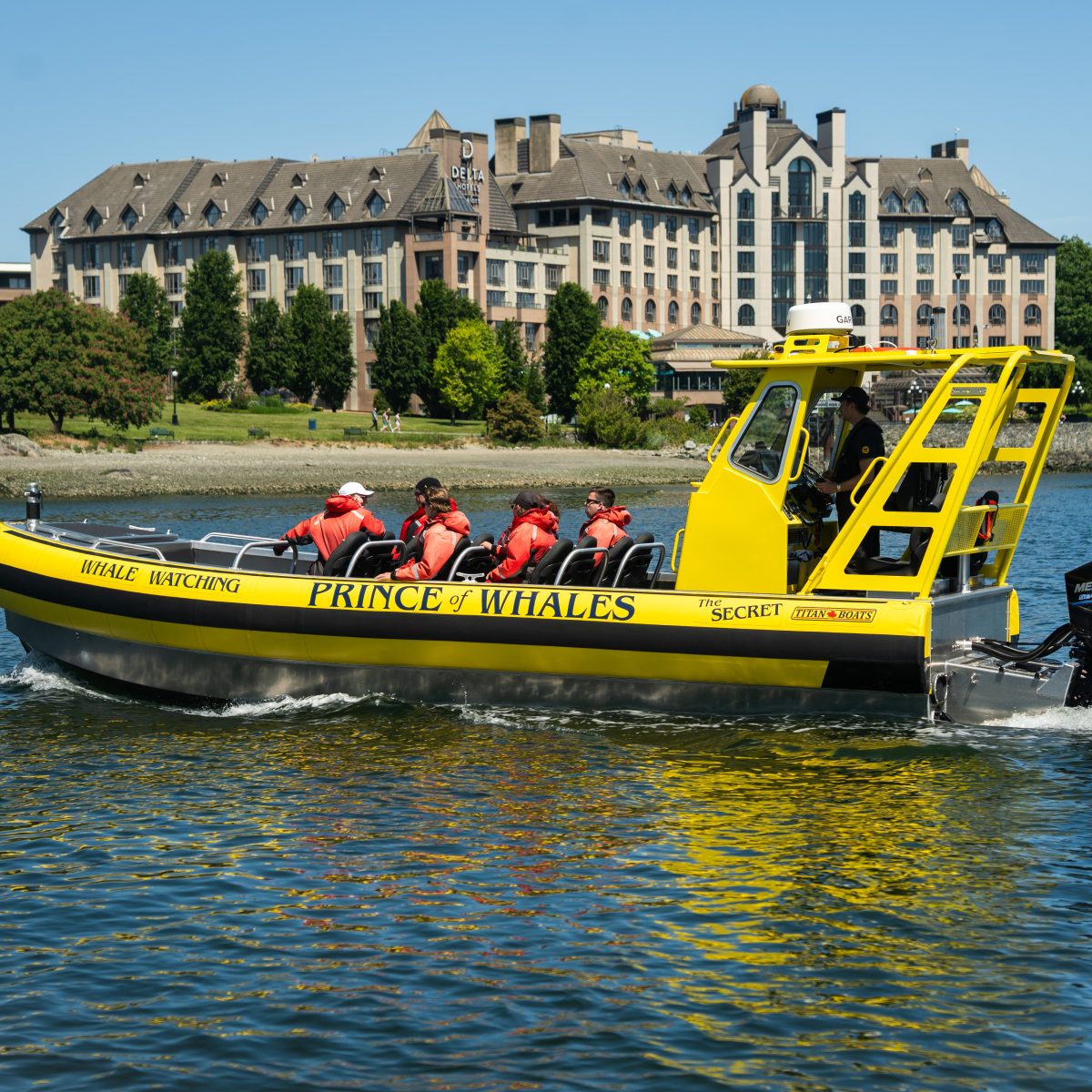
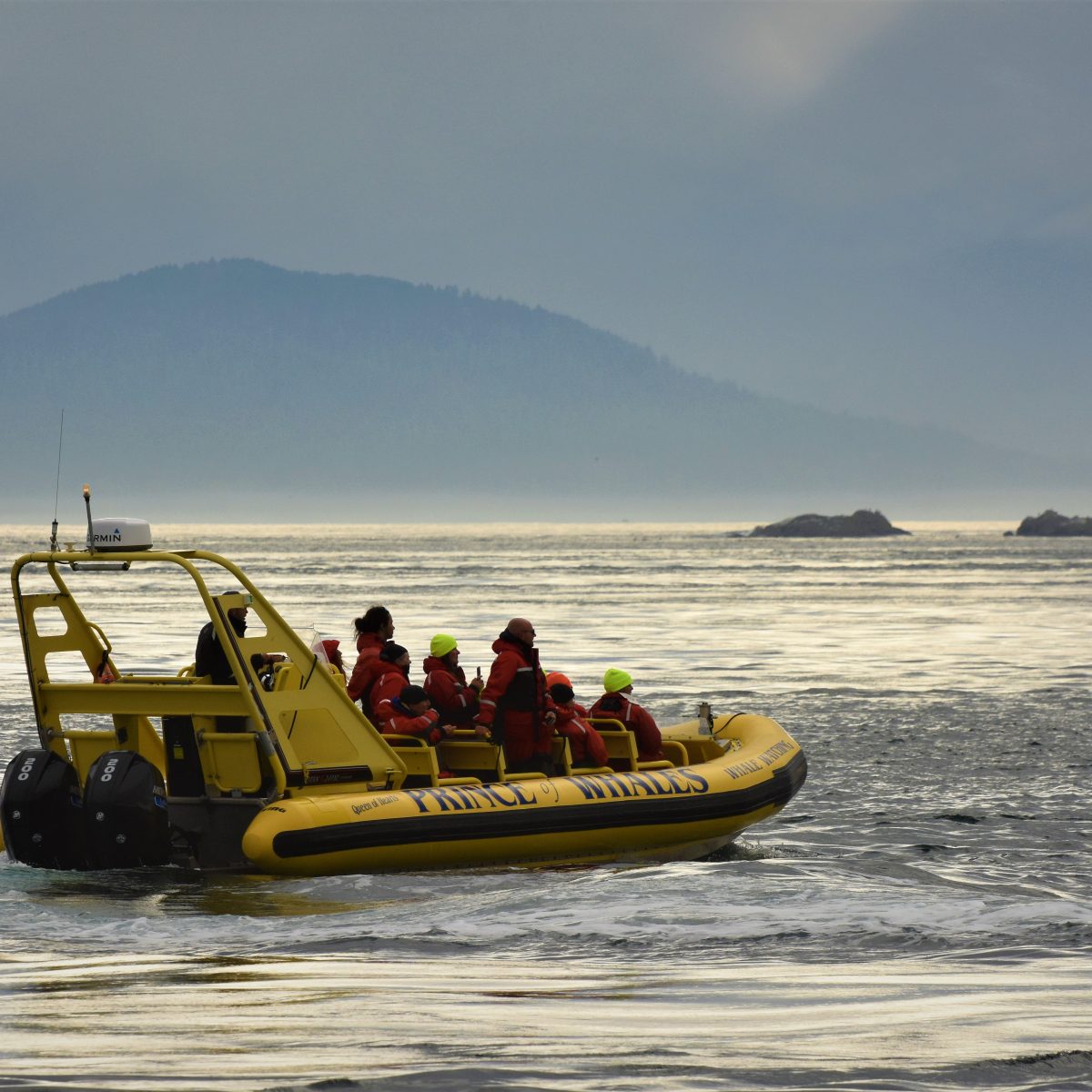
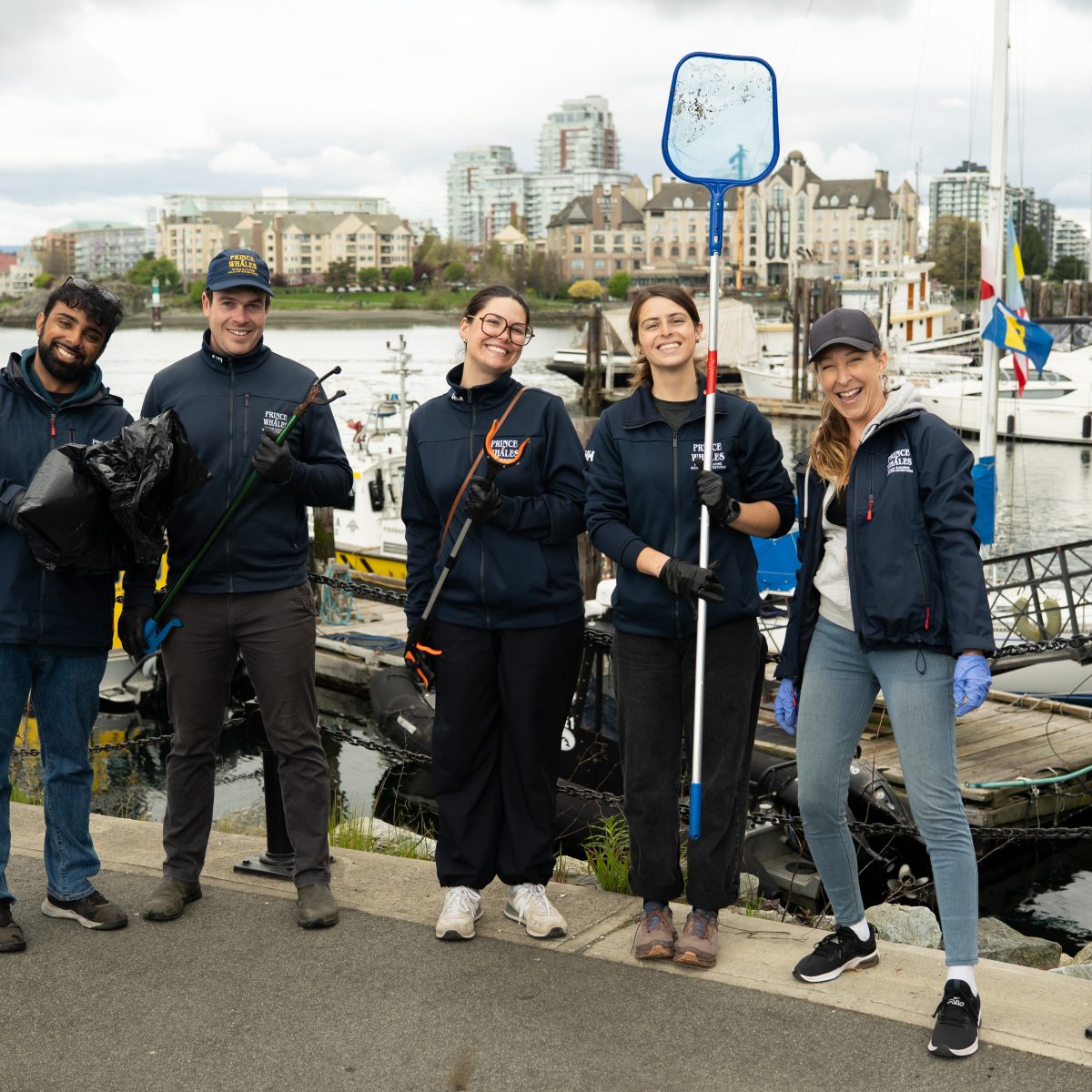
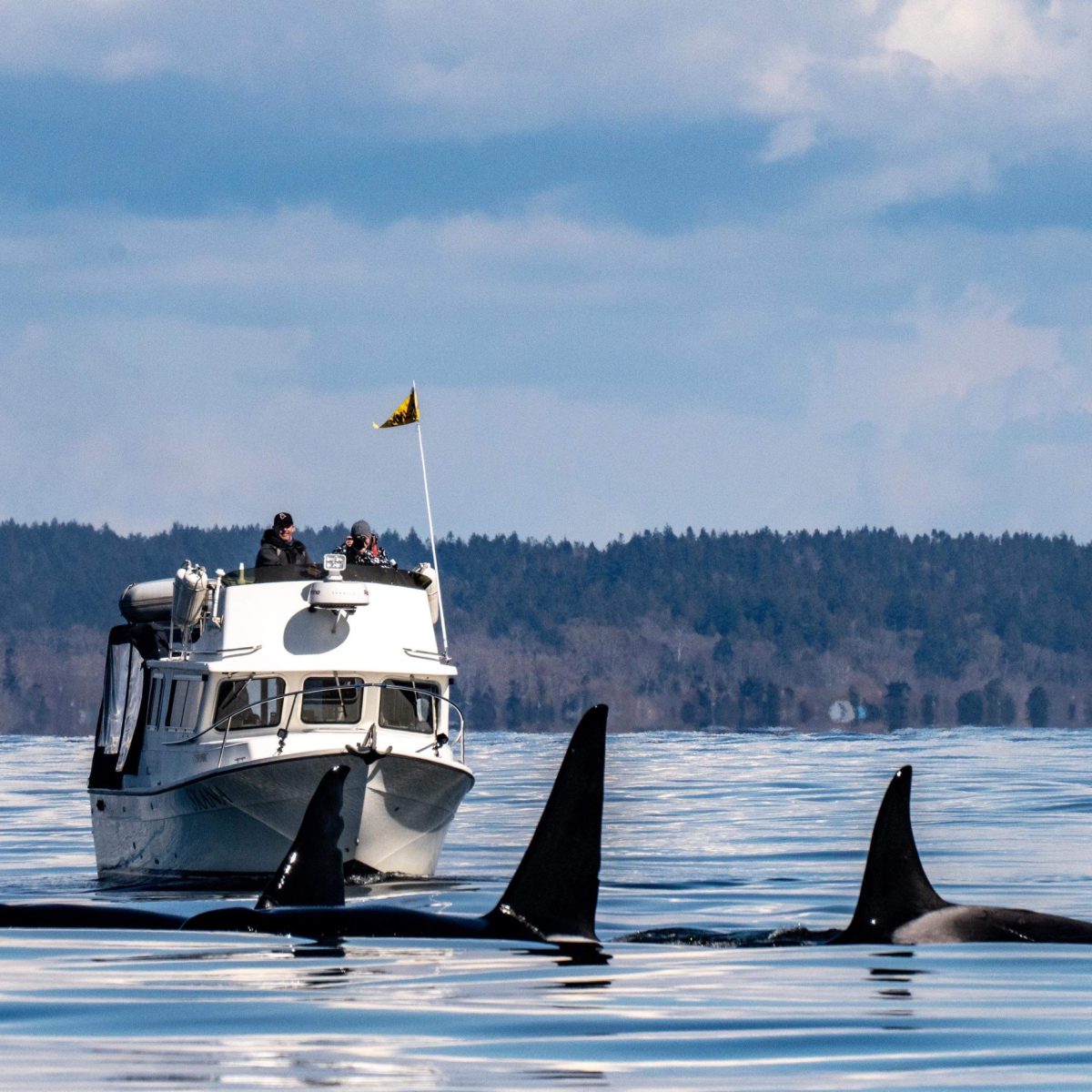
A sentinel trip happens whenever we pause during a whale watching tour to take direct protective action for the marine environment. Whether it is scooping floating garbage out of the sea, reporting entanglements or warning nearby vessels to slow down, these actions turn routine trips into real opportunities to protect marine life. The Pacific Whale Watch Association (PWWA) defines these interventions as sentinel actions.
Targeting Hazardous Marine Debris
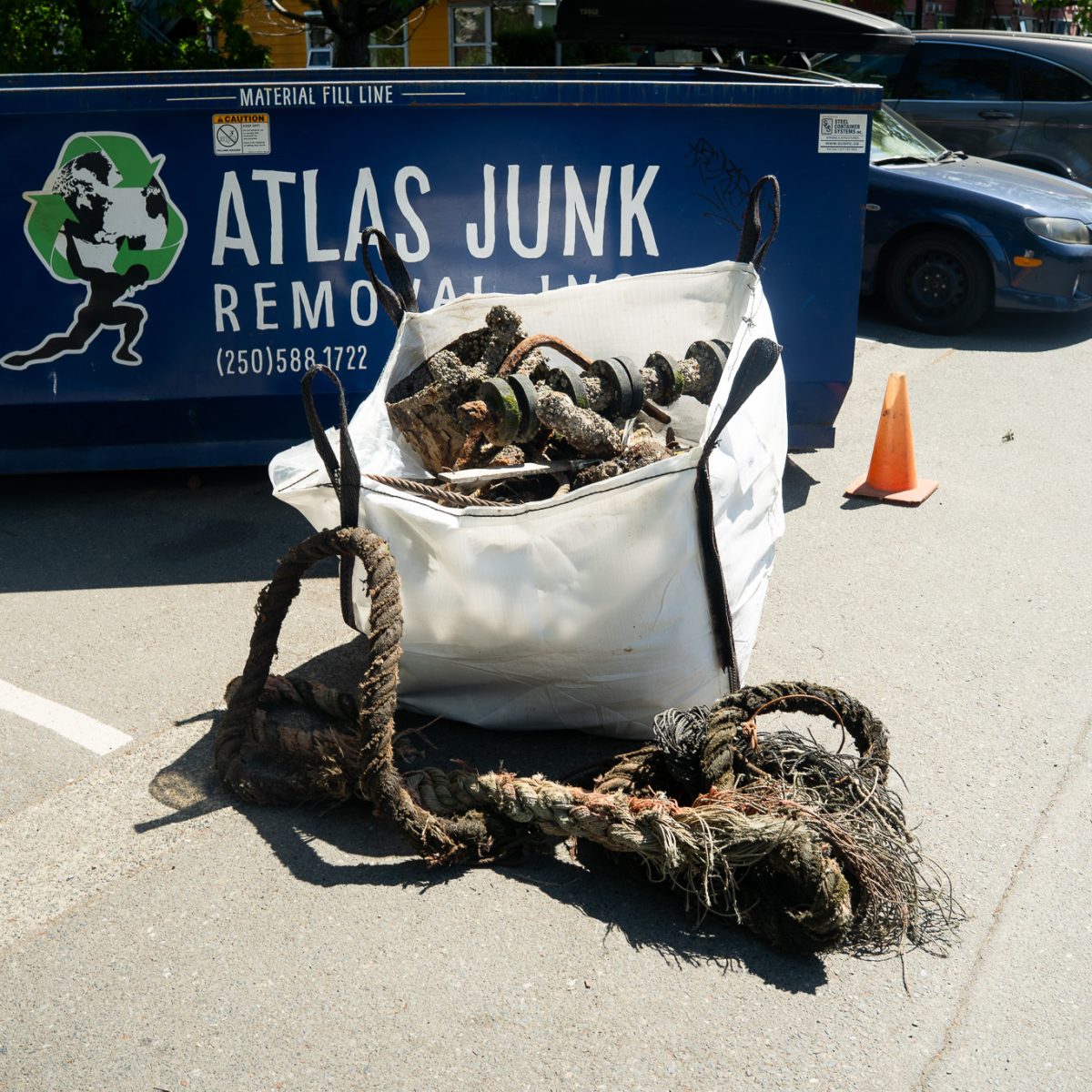
While safety and tour schedules mean we cannot stop for every single piece of floating litter we pass, our crew actively watches for high-risk ocean debris. When we spot specific garbage that poses a direct threat to wildlife, such as heavy netting, packing straps, or floating plastics, we take action whenever possible to retrieve it. Safely maneuvering the boat to haul out dangerous debris keeps plastics from breaking down into harmful microplastics and removes immediate hazards from wildlife feeding grounds.
The Hidden Danger of Balloons
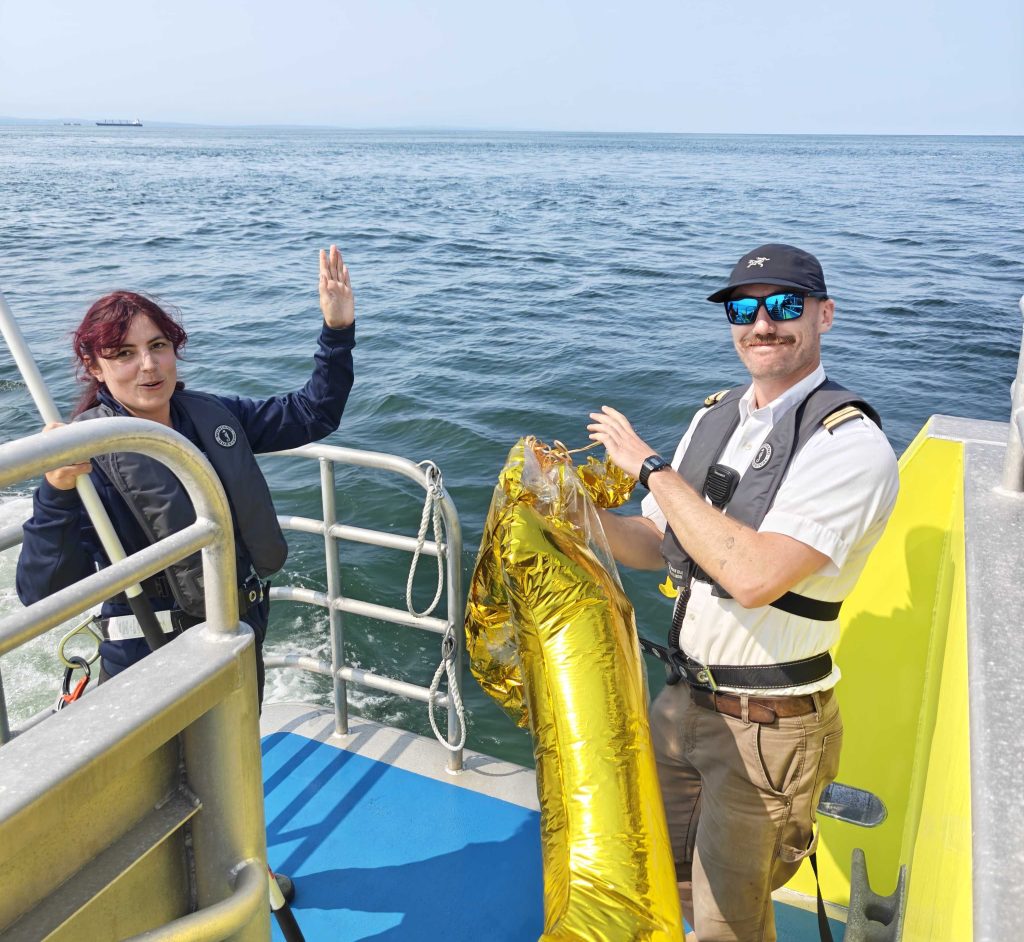
Foil and latex balloons are the most common type of marine debris we retrieve, accounting for nearly 50% of all debris removals documented by PWWA members last year. Celebrations on land frequently send balloons high into the atmosphere, but wind currents eventually carry them out to sea. Floating balloons closely resemble jellyfish or squid, leading sea turtles, whales, and seabirds to swallow them. Ingested latex blocks digestive tracts and causes starvation, while attached ribbons wrap around fins and flippers. Each ballon we can safely reach removes a possible trap from the ecosystem.
Reporting Injured and Entangled Wildlife
In addition to removing ocean hazards, sentinel actions involve serving as active guardians for local marine life. Spending so much time on the water puts our team in a unique position to spot wildlife emergencies that might otherwise go unseen. If we encounter entangled of injured wildlife, we will report the situation and inform the proper authorities. Reporting these sightings to trained responders gives them the exact information they need to mobilize quickly and perform life-saving interventions.
Everyday Actions with Lasting Impact
Our team carries out sentinel actions constantly throughout the season, though not every single pause gets filmed or shared. Taking a few minutes during a trip to safeguard the water is just part of our routine.
Every piece of retrieved trash serves as a sobering reminder that actions on land directly dictate the health of life at sea. From single-use plastics to intentional balloon releases, human activities far inland ultimately impact delicate ocean habitats. By reflecting on our personal habits and making mindful choices on land, we can all take part in keeping our oceans safe and clean!