BACK


October 16, 2026
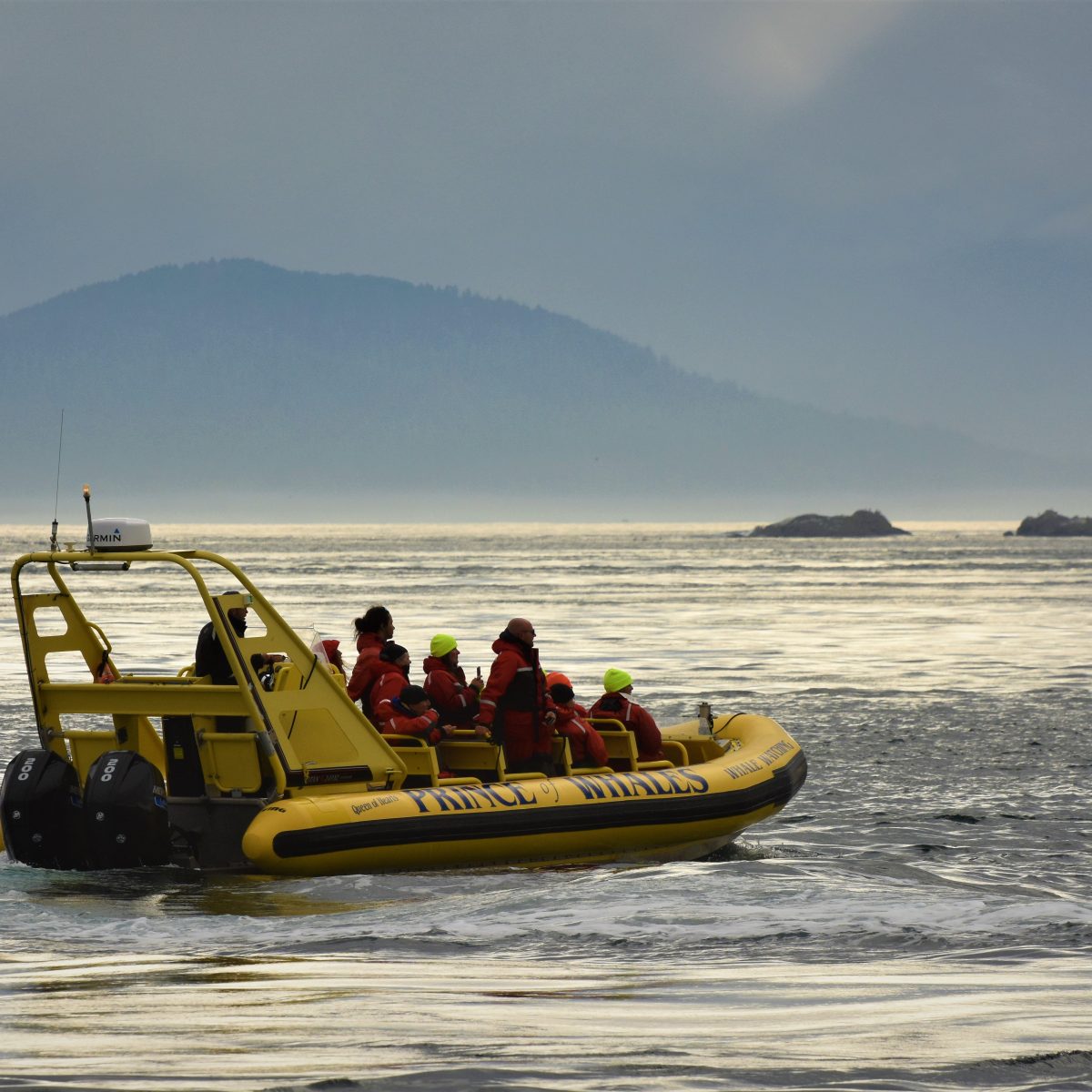
Finding whales on our tours around the waters of Vancouver, Victoria and Telegraph Cove takes a combination of experience, communication, and a trained eye!
While it might seem like spotting a whale is a matter of luck, whale-watching captains and naturalists use a range of techniques to help locate these incredible animals in their natural habitat.
Whales Aren’t Tagged With Trackers
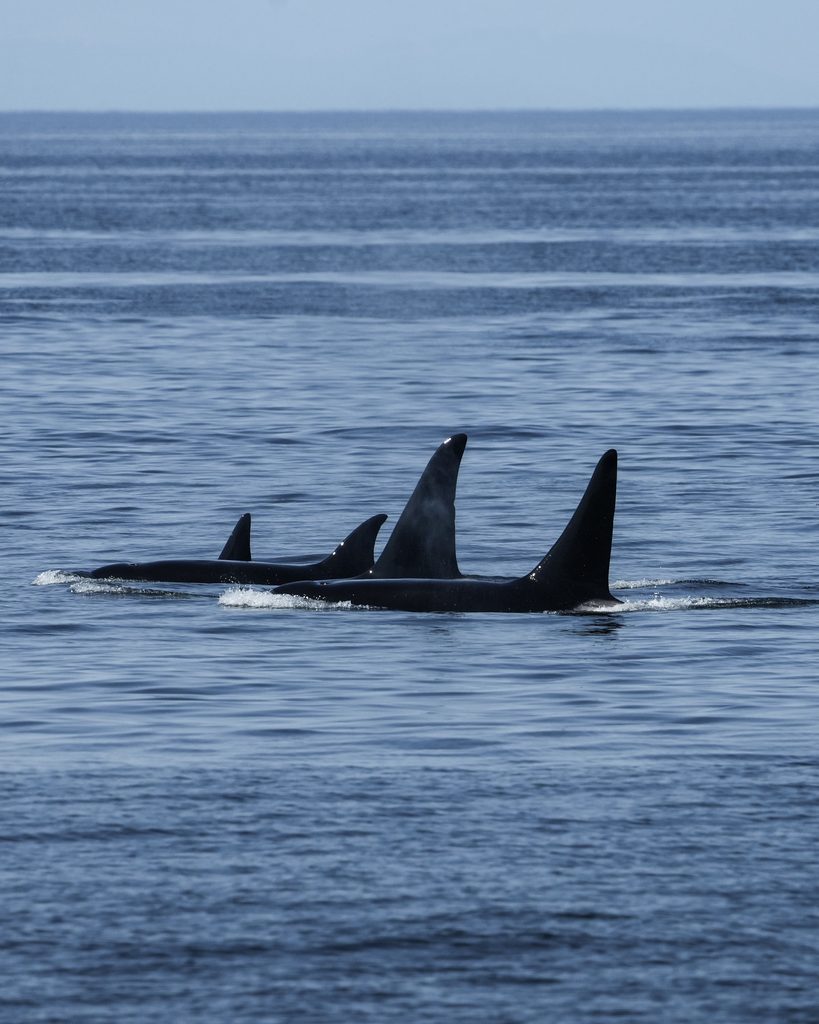
Unlike some wildlife that can be monitored using tracking devices, whales spotted on BC whale-watching tours are not found with tags that allow captains to follow their movements in real time. Whales travel freely through the ocean, following food sources and moving throughout their natural range.
Instead, finding whales relies on local knowledge, observation, and communication between vessels operating in the area.
Communication Between Vessels
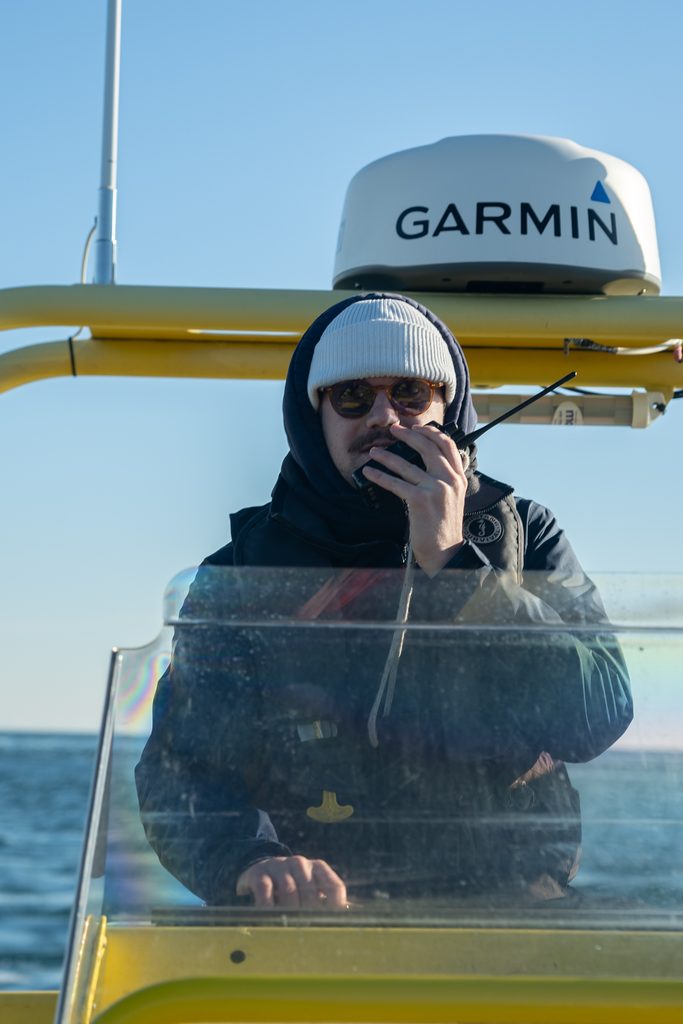
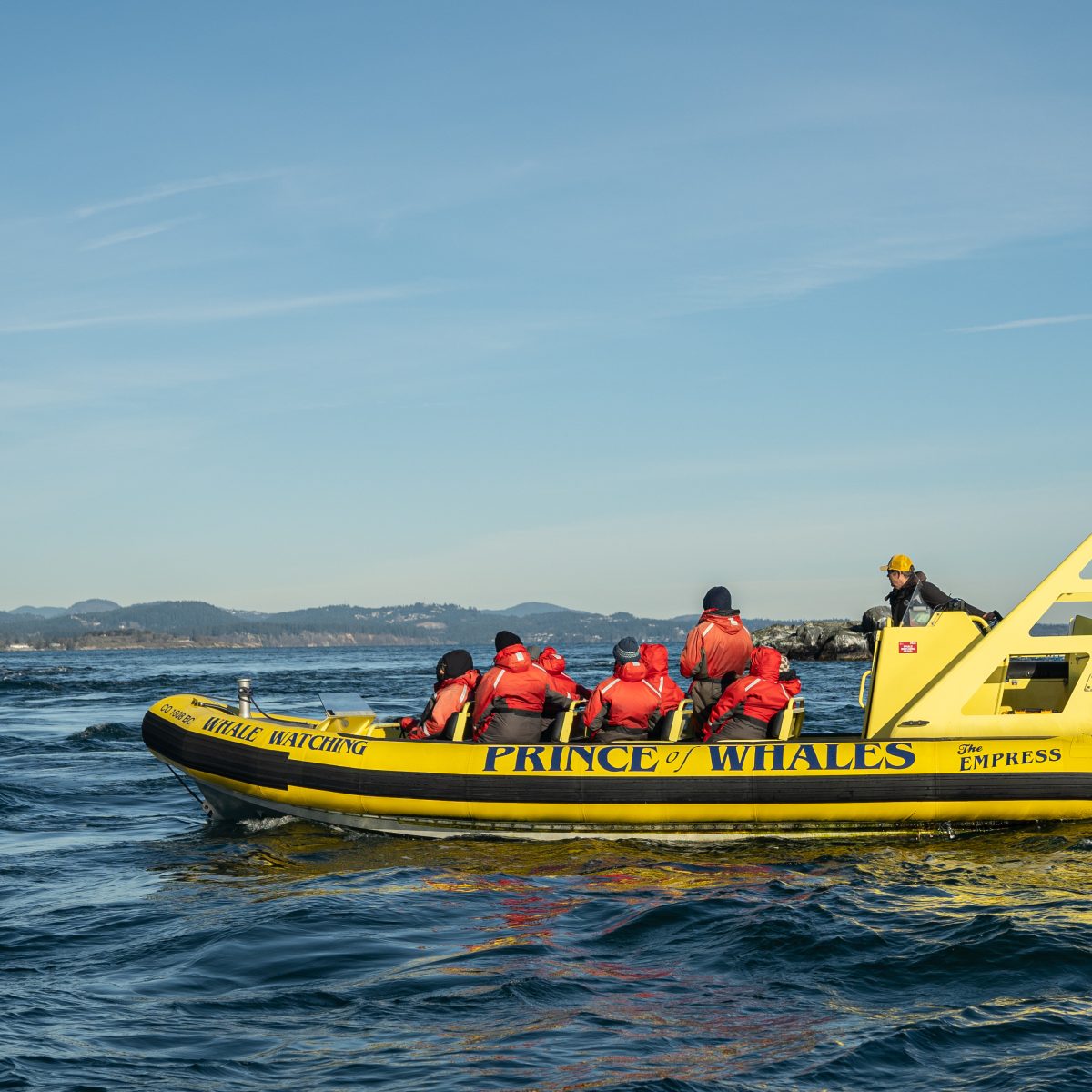
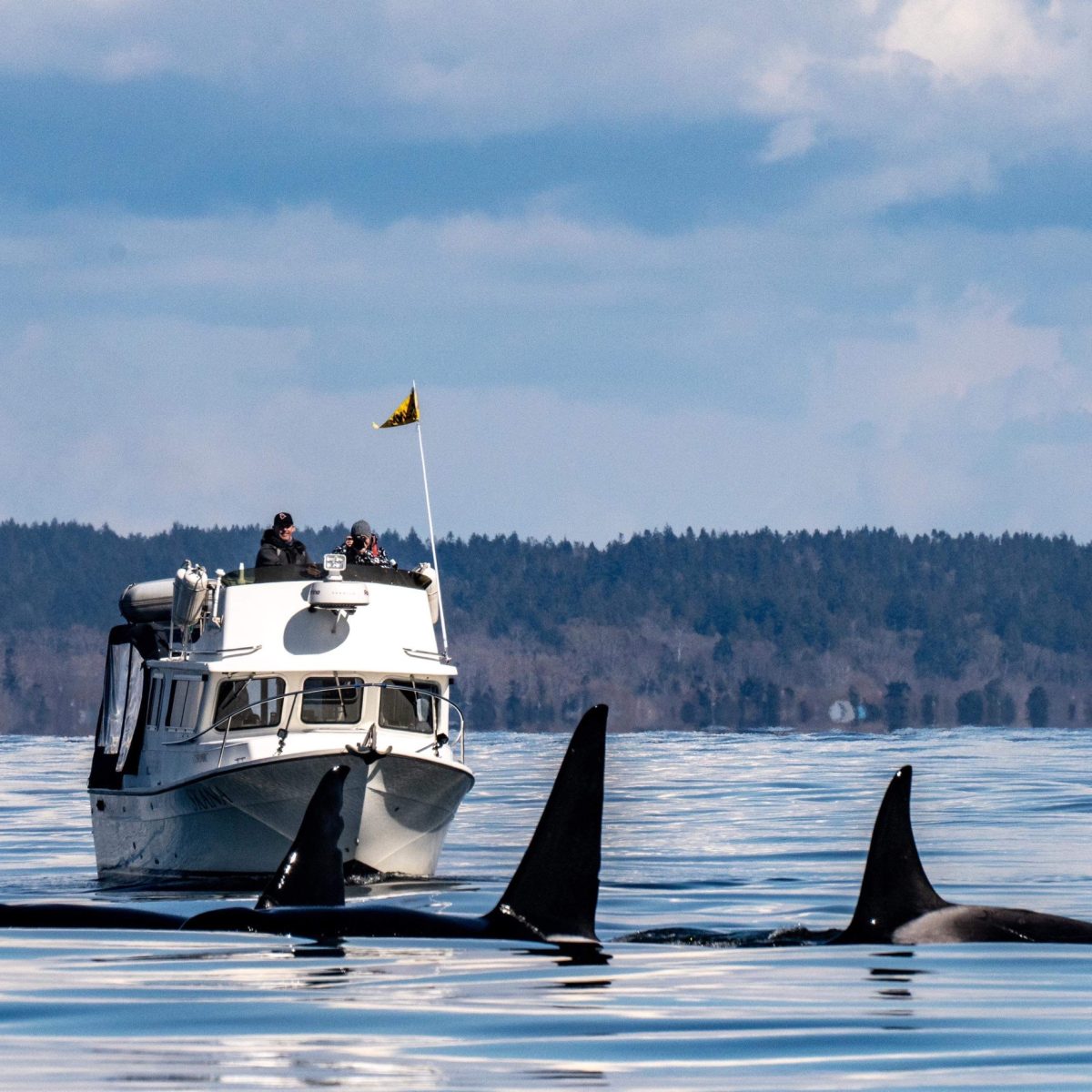
One of the most valuable tools in whale watching is communication. Captains and crews in the industry share information about recent wildlife sightings, helping other vessels understand where whales have been seen and which direction they were travelling.
Because whales are constantly on the move, a recent sighting provides a useful starting point rather than a guarantee. By combining reports from other vessels with their own observations, captains can make informed decisions about where to search.
Experience and Knowledge of the Coast
Experienced captains and naturalists develop a strong understanding of the local marine environment. Over time, they learn which areas certain whale populations frequent, how their movements can relate to prey availability, and which locations may be worth checking under different conditions.
This knowledge helps crews narrow their search across a large area of ocean. However, wildlife is unpredictable, and even the most experienced crew cannot know exactly where a whale will surface next.
Scanning the Surface for Blows
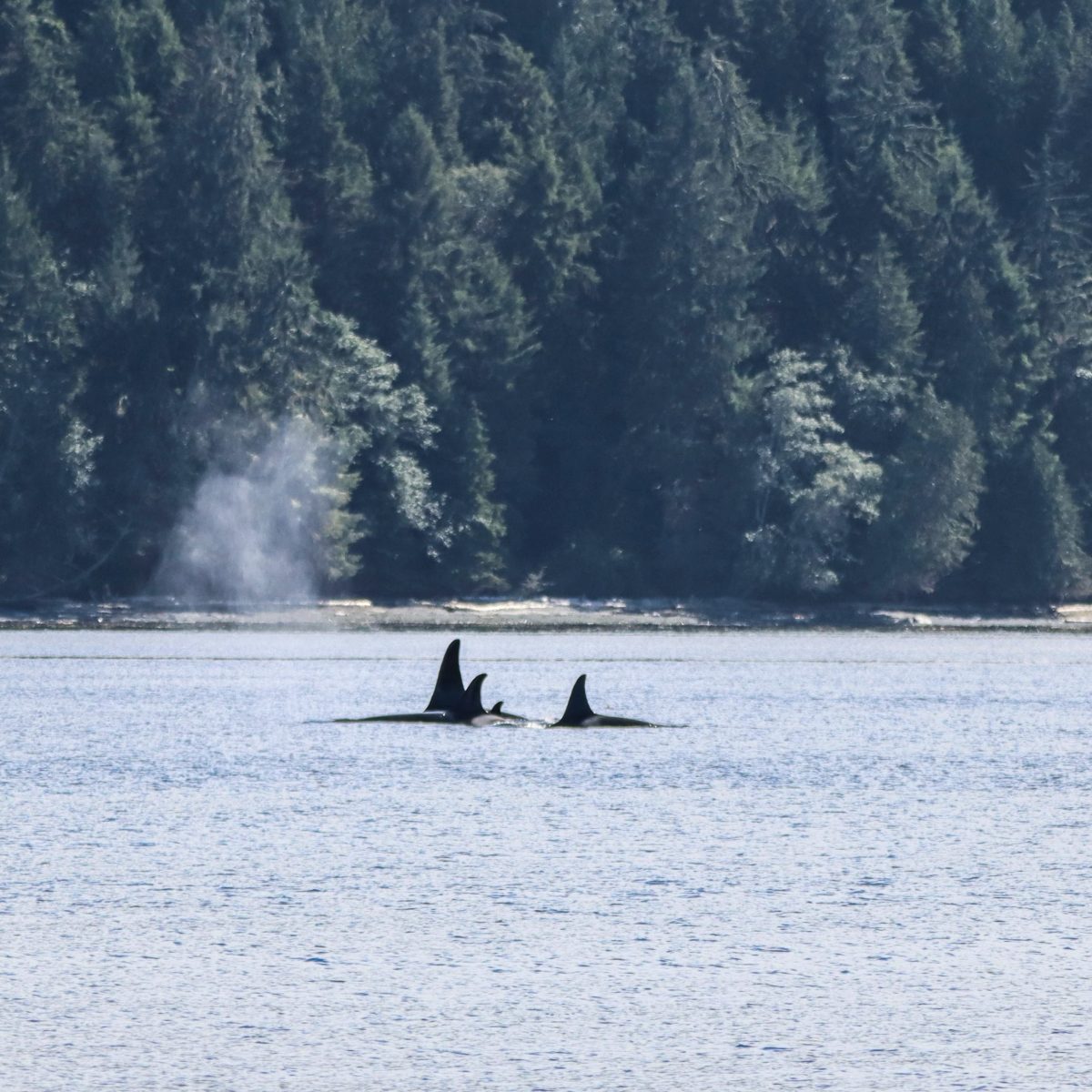
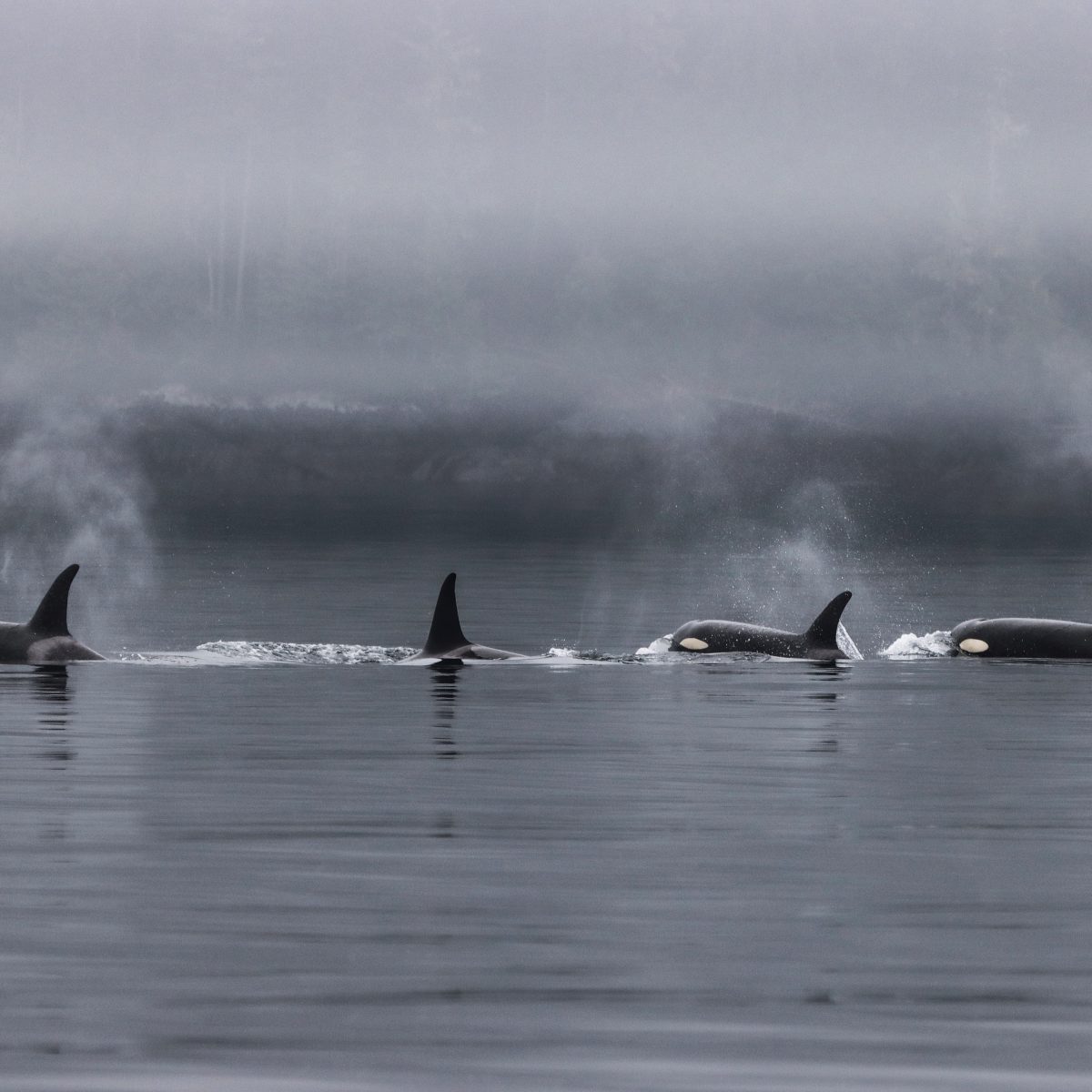
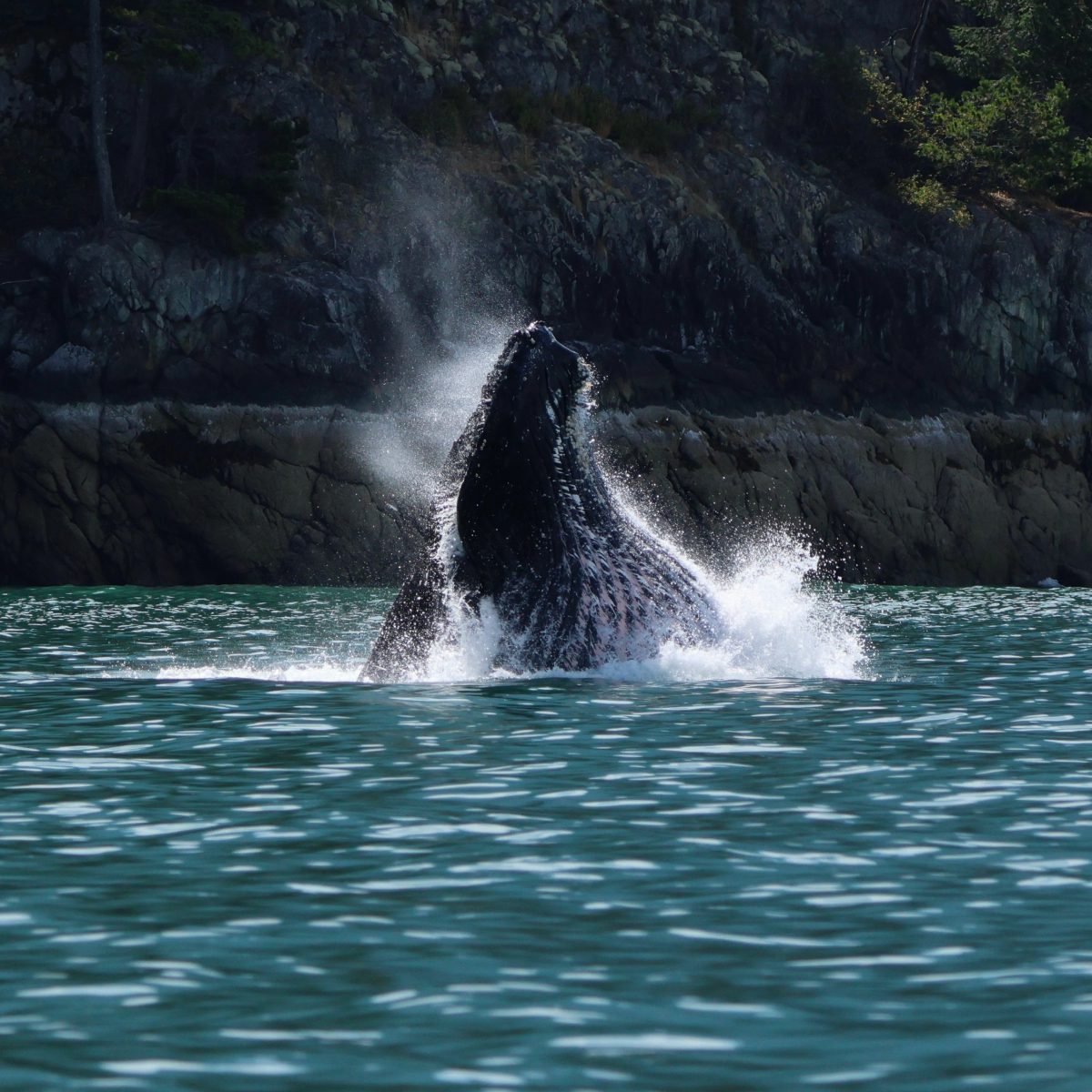
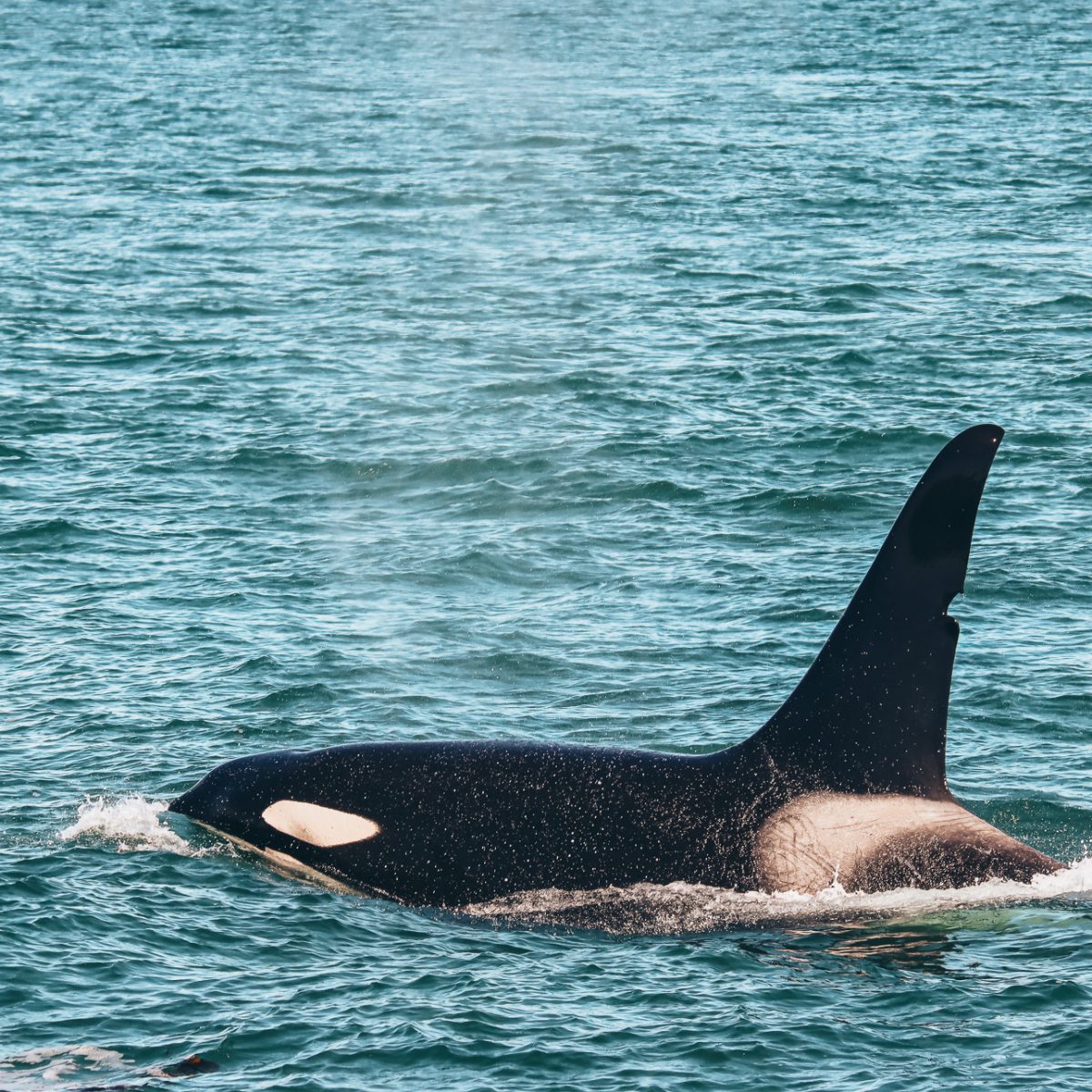
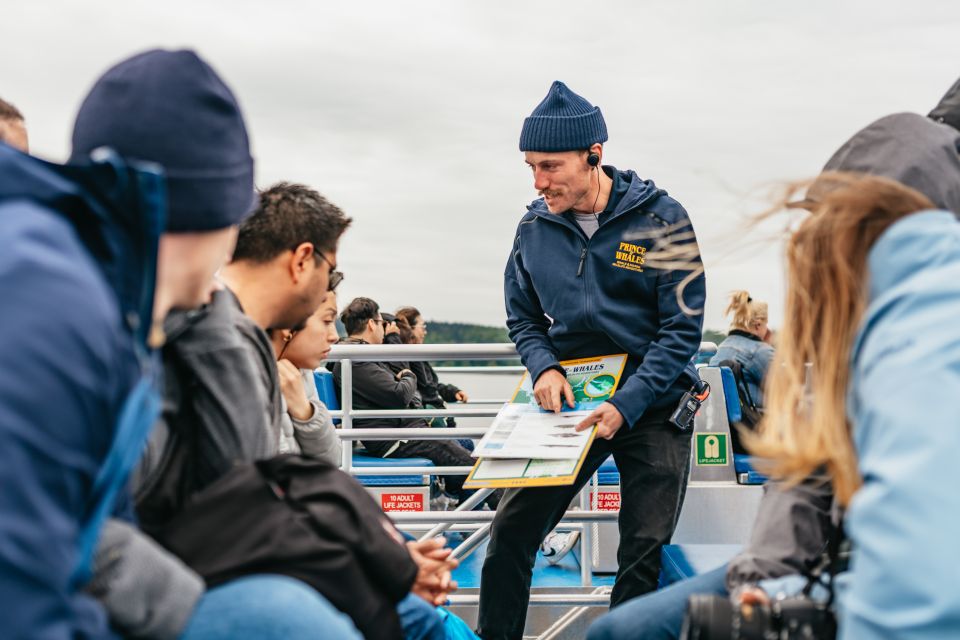
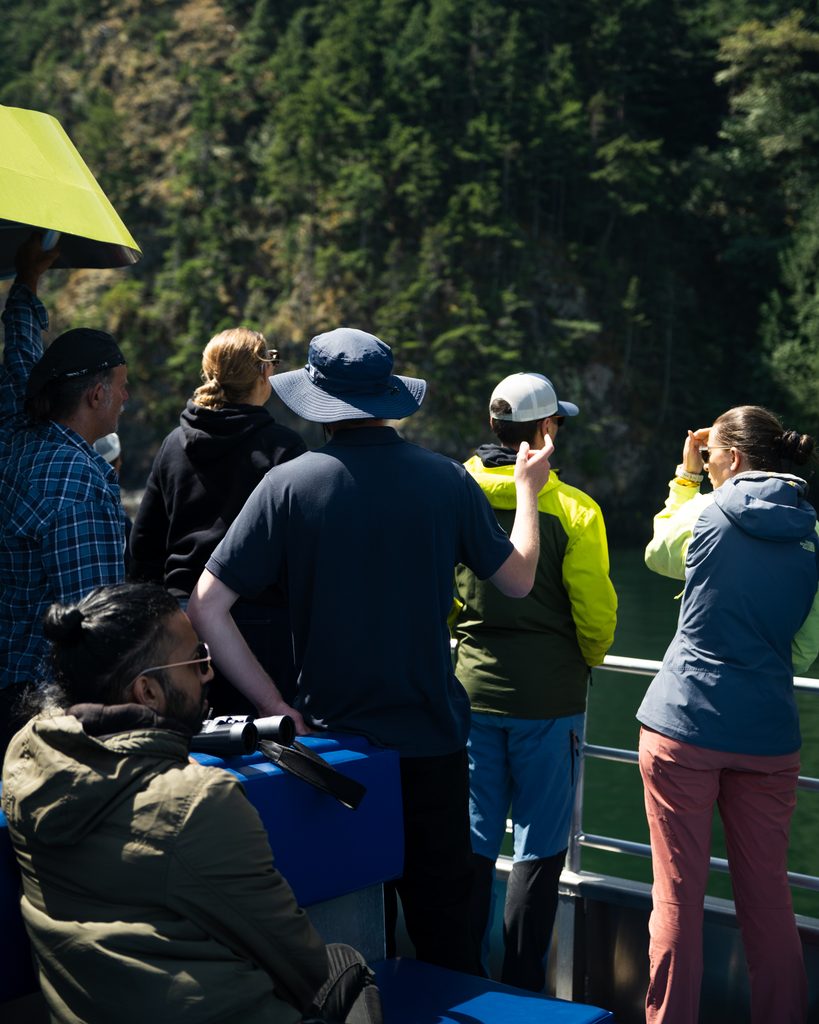
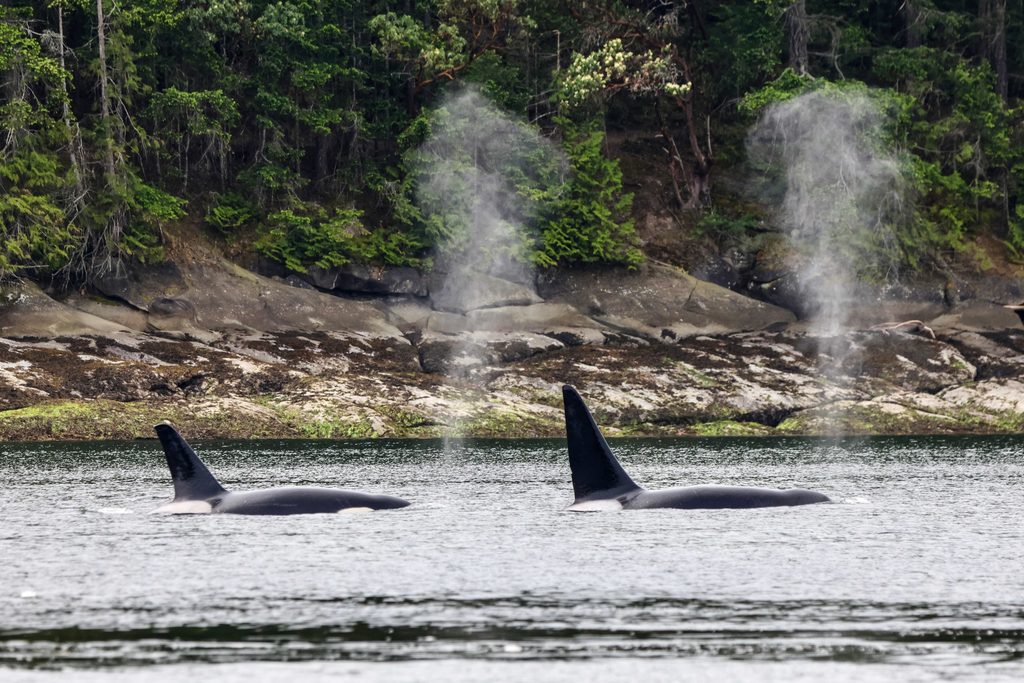
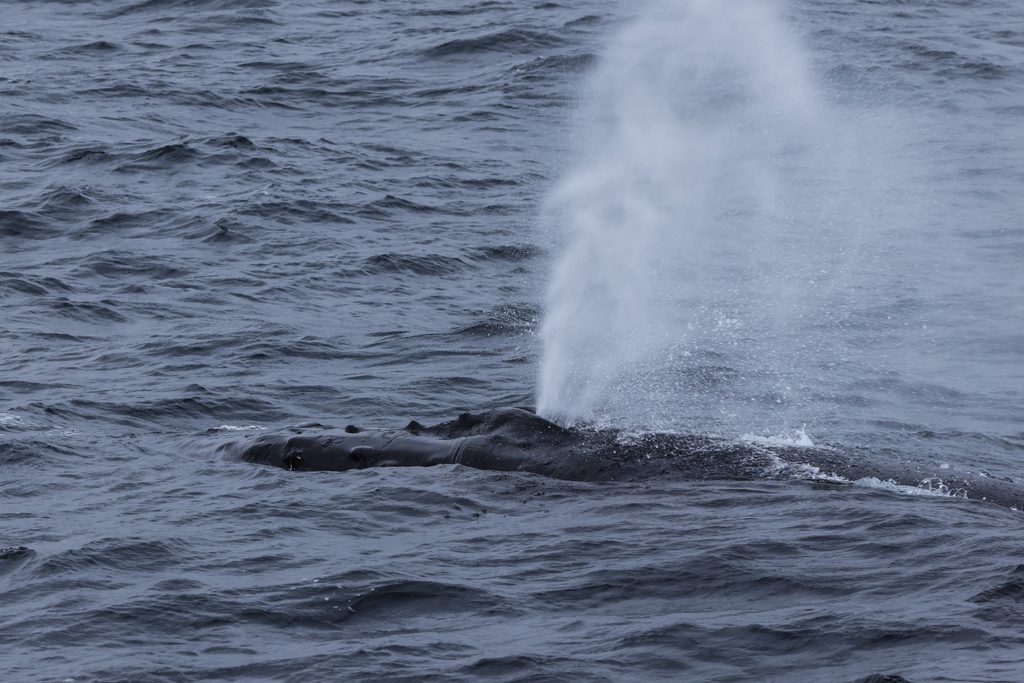
One of the clearest signs of a whale’s presence is its blow, often visible as a burst of mist above the water when the animal exhales at the surface. Captains and naturalists continually scan the horizon and surrounding water for these brief glimpses. A blow can be visible from a considerable distance, depending on the whale, weather, lighting, and sea conditions.
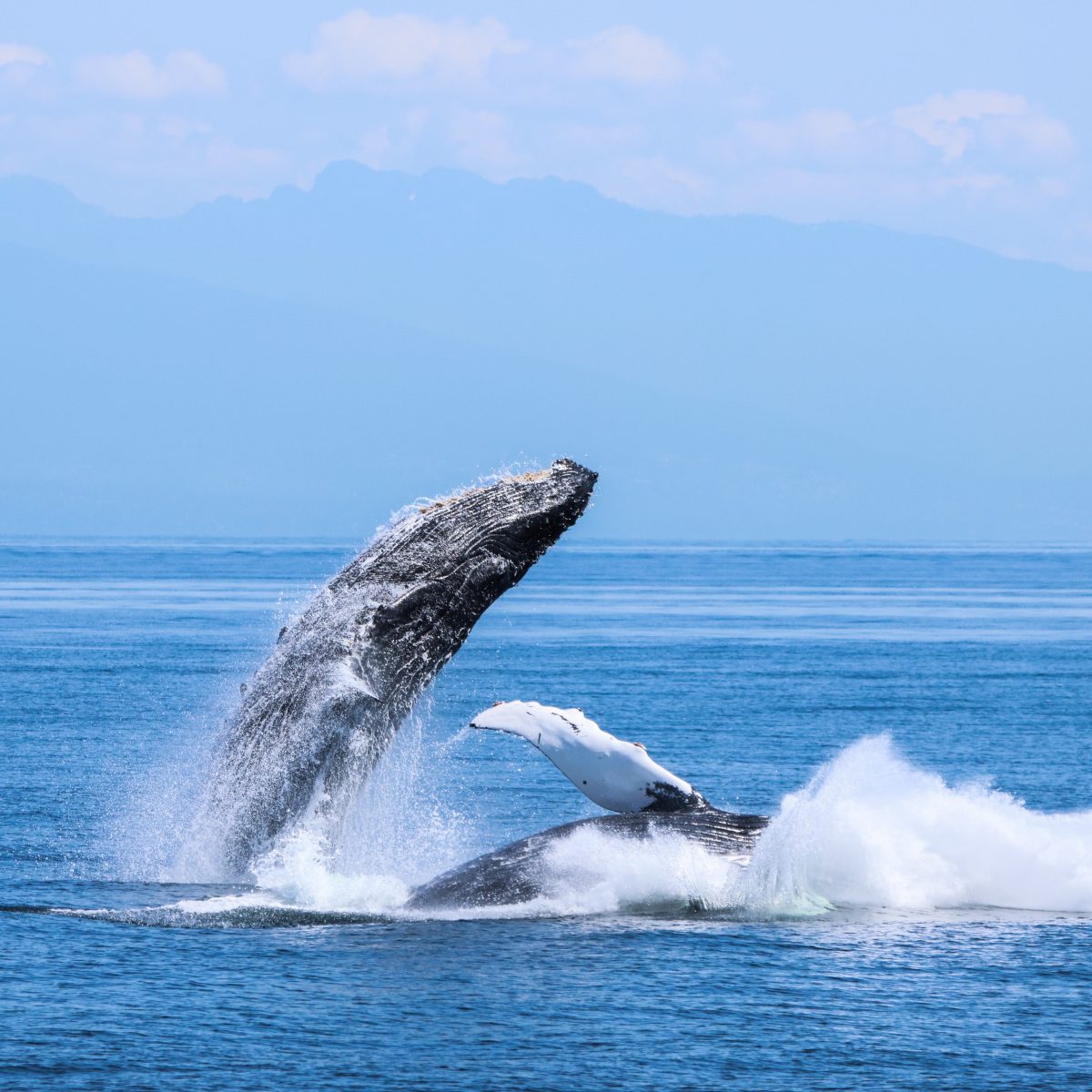
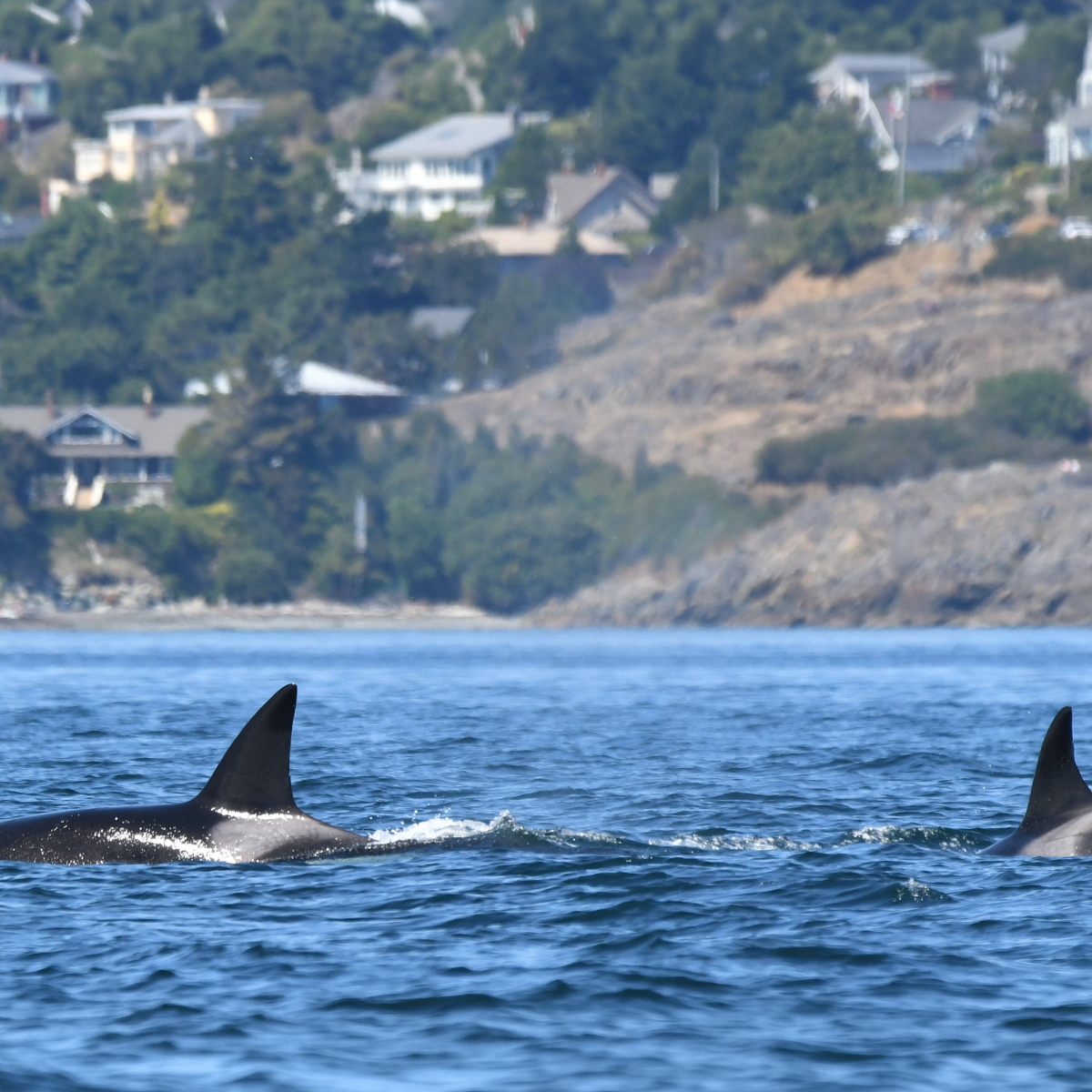
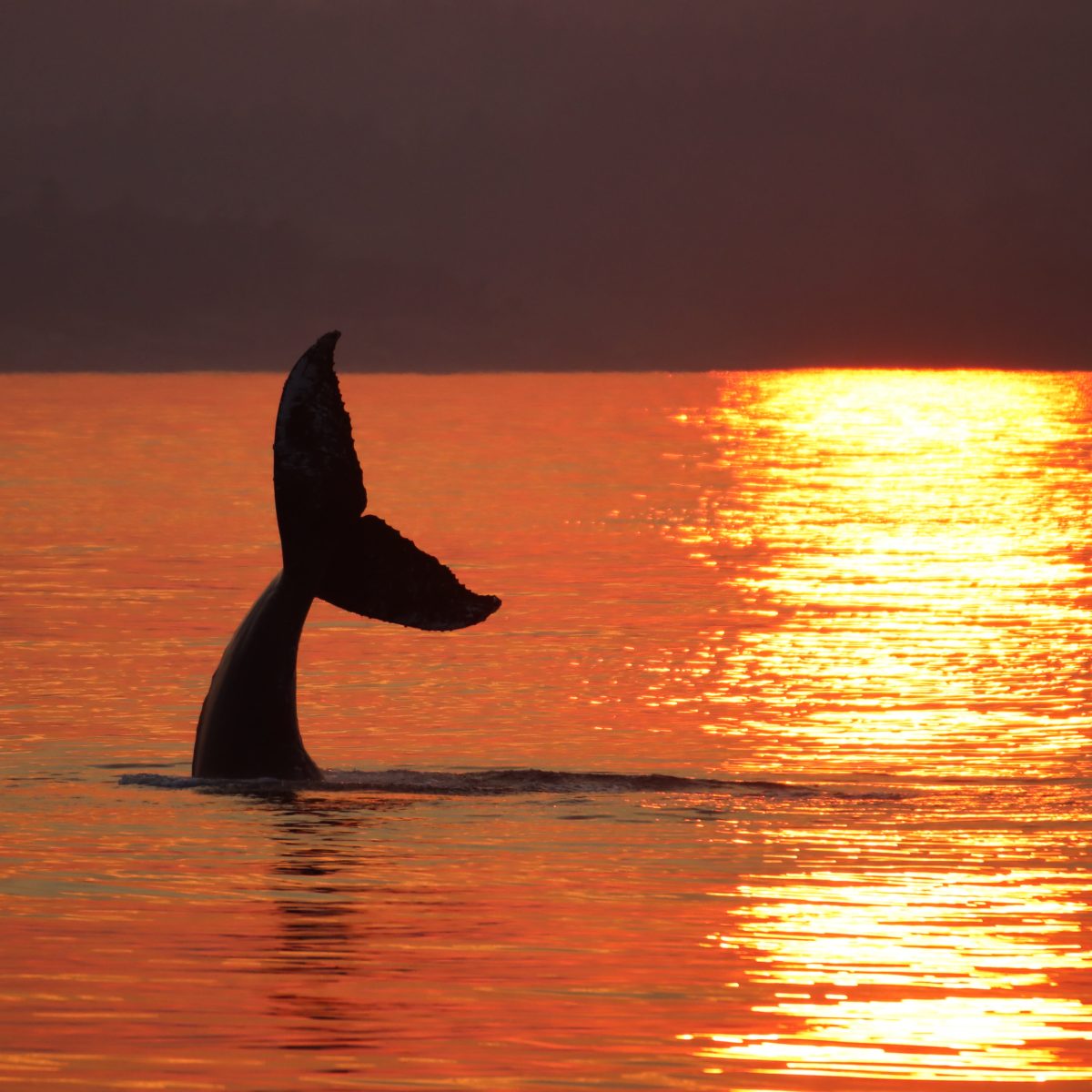
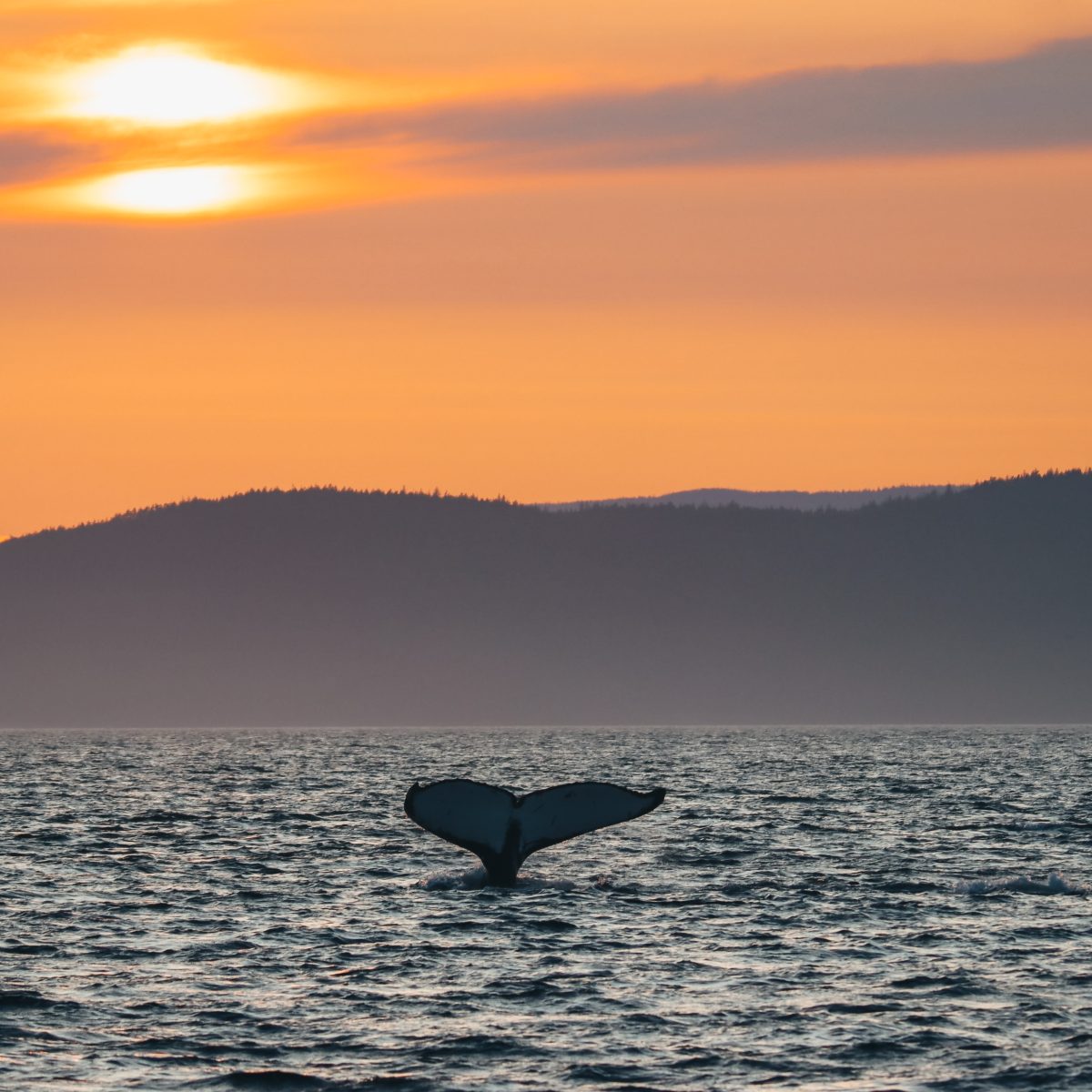
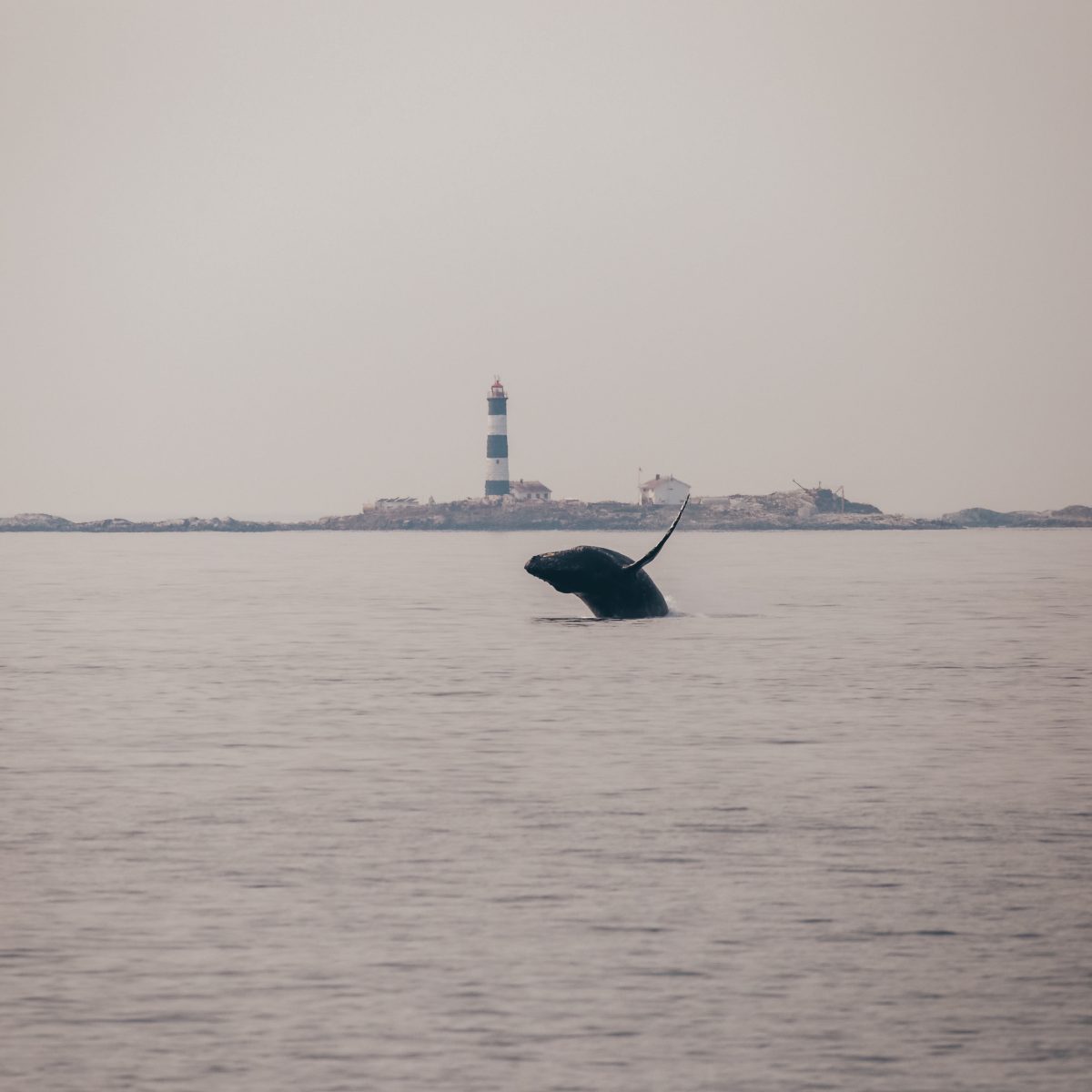
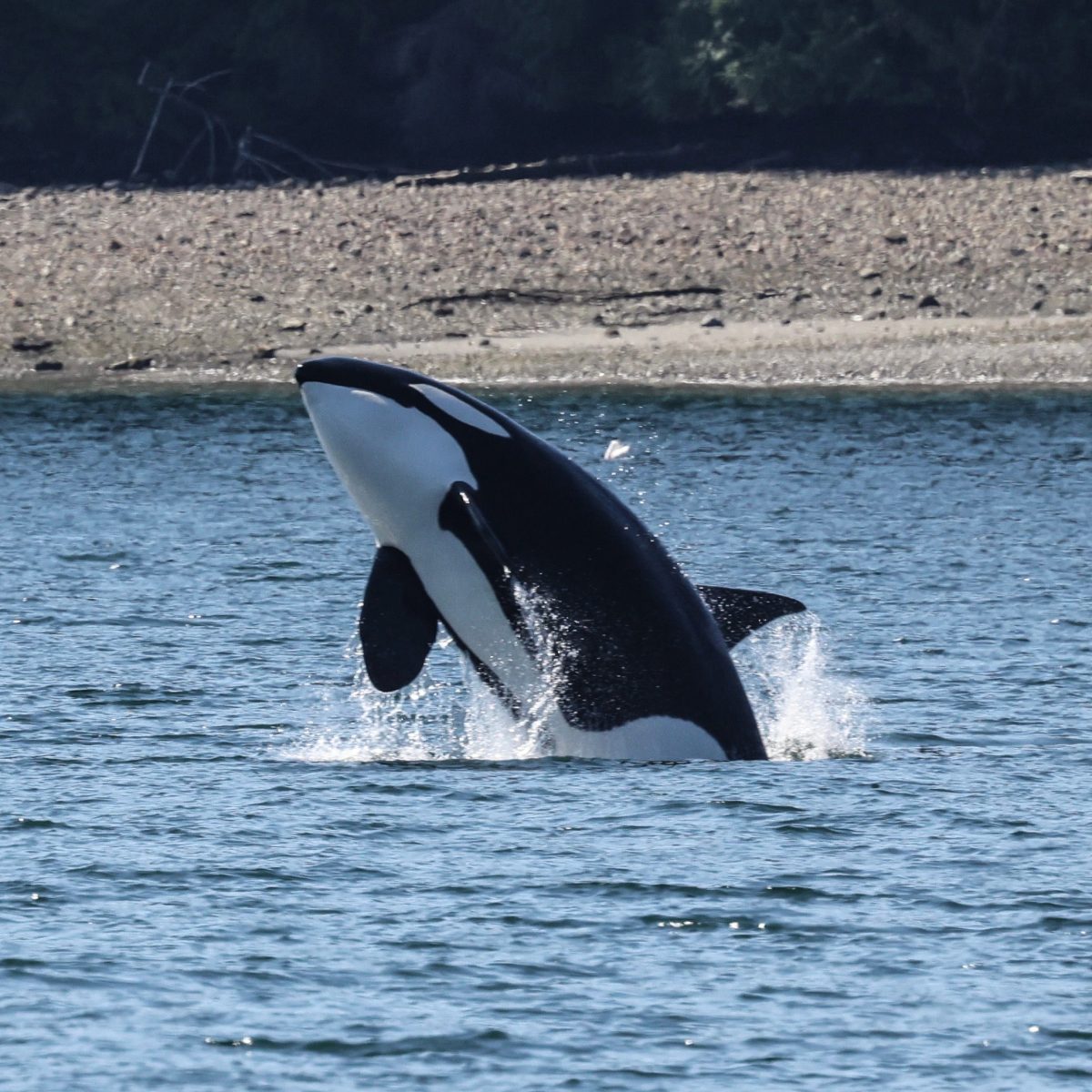
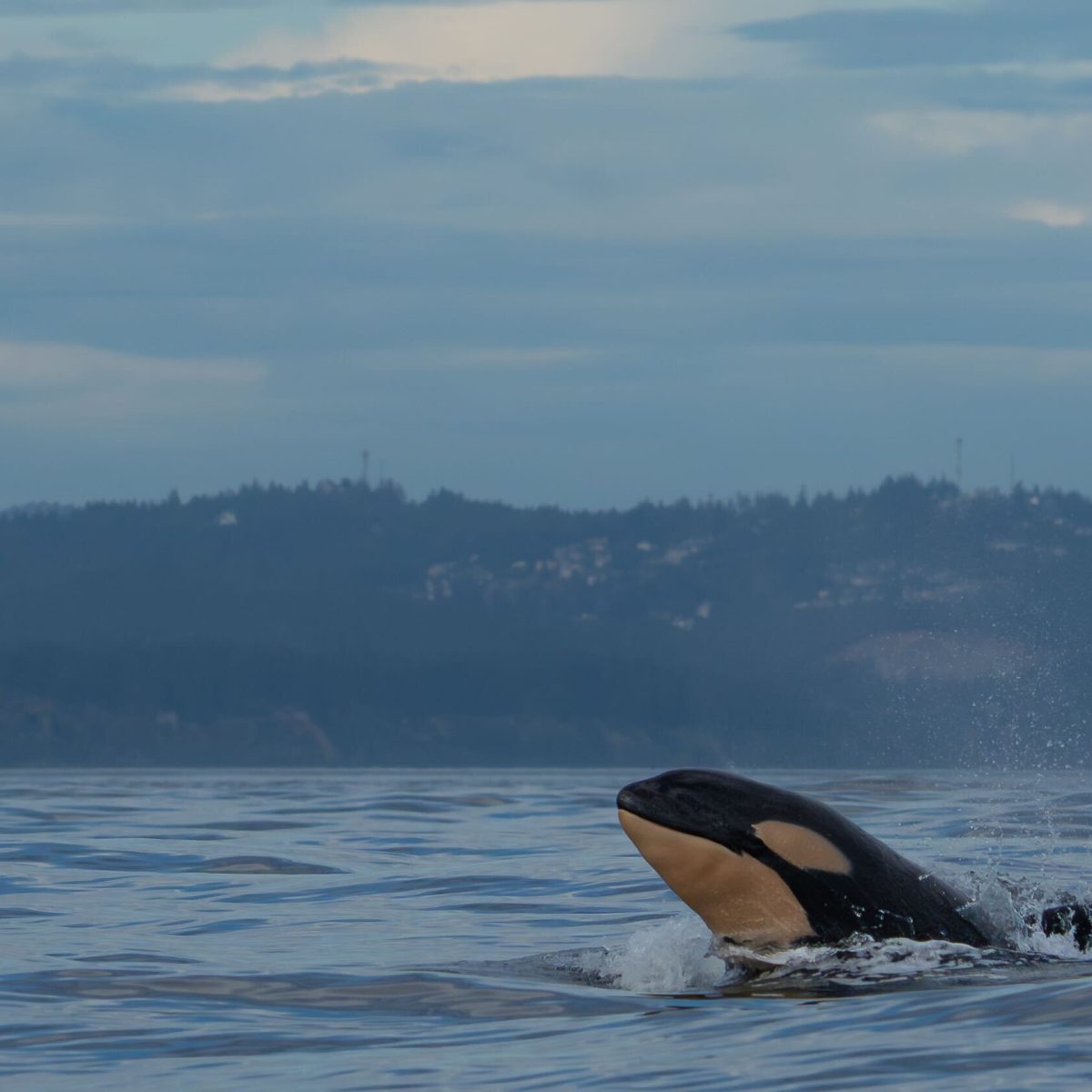
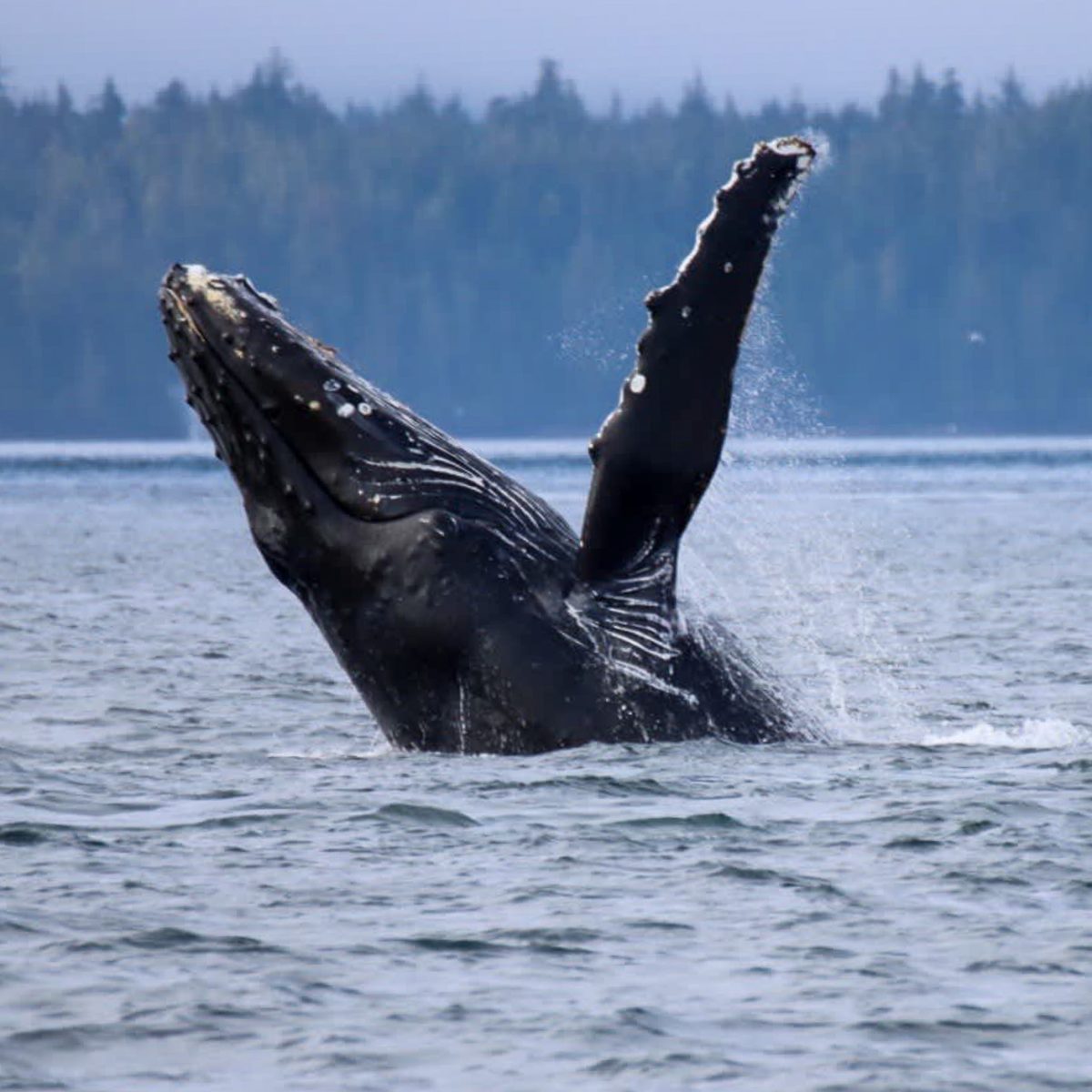
Once a blow is spotted, the crew can look for additional signs, such as a dorsal fin, a back breaking the surface, or a tail fluke lifting out of the water.
Using Binoculars and Watching Seabirds
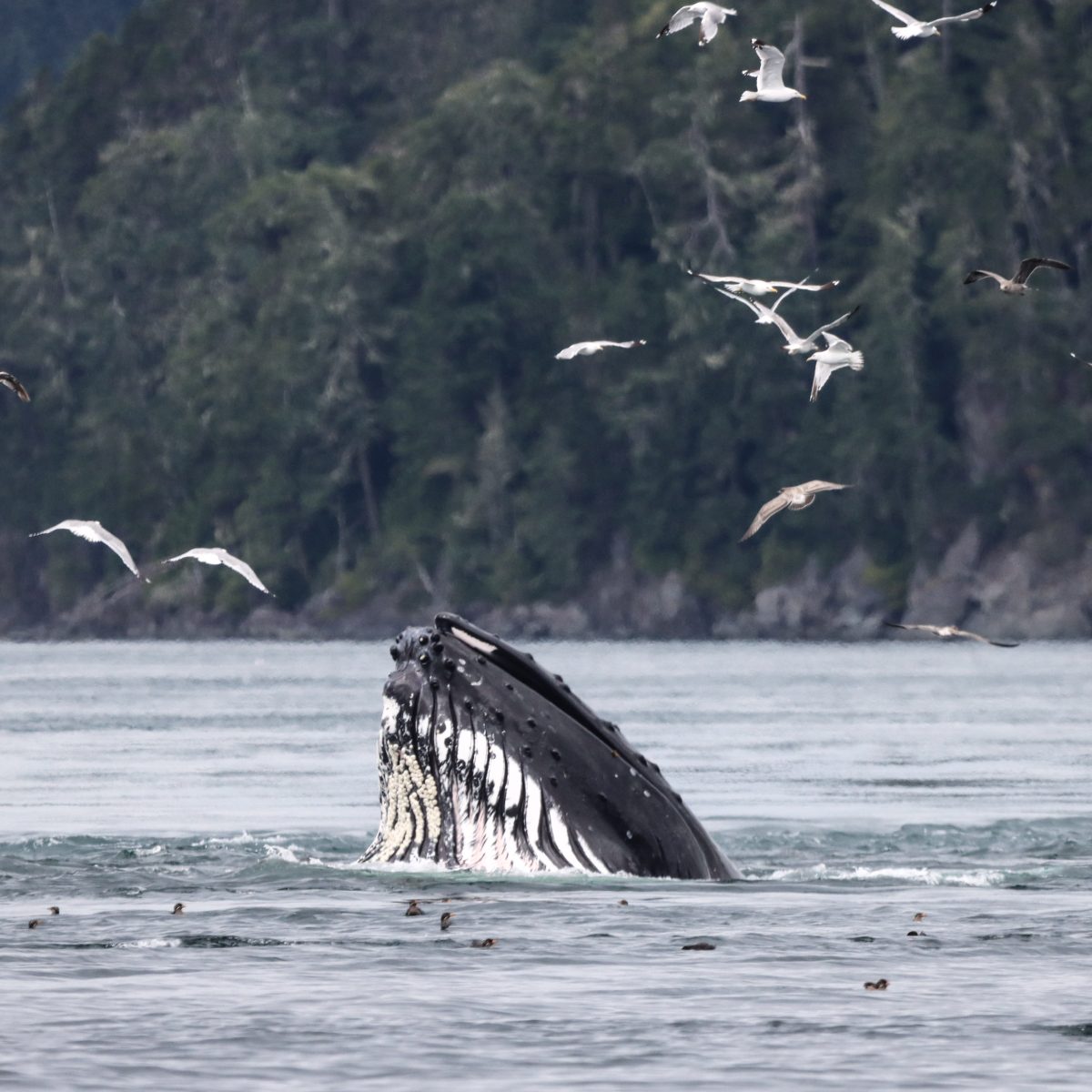
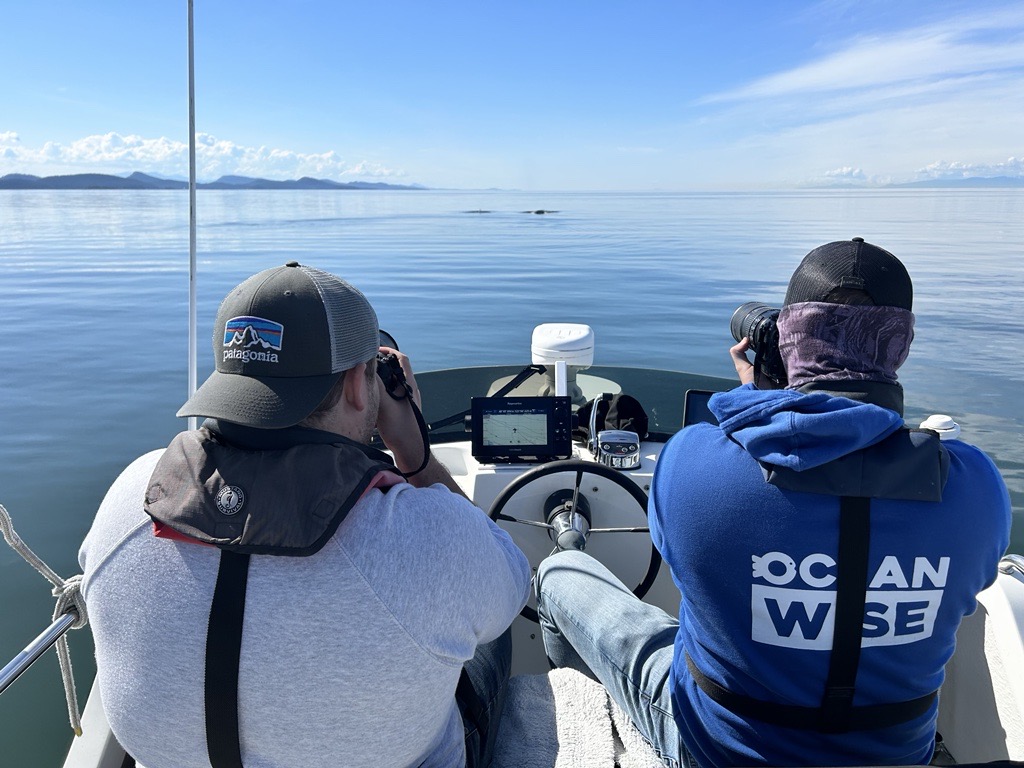
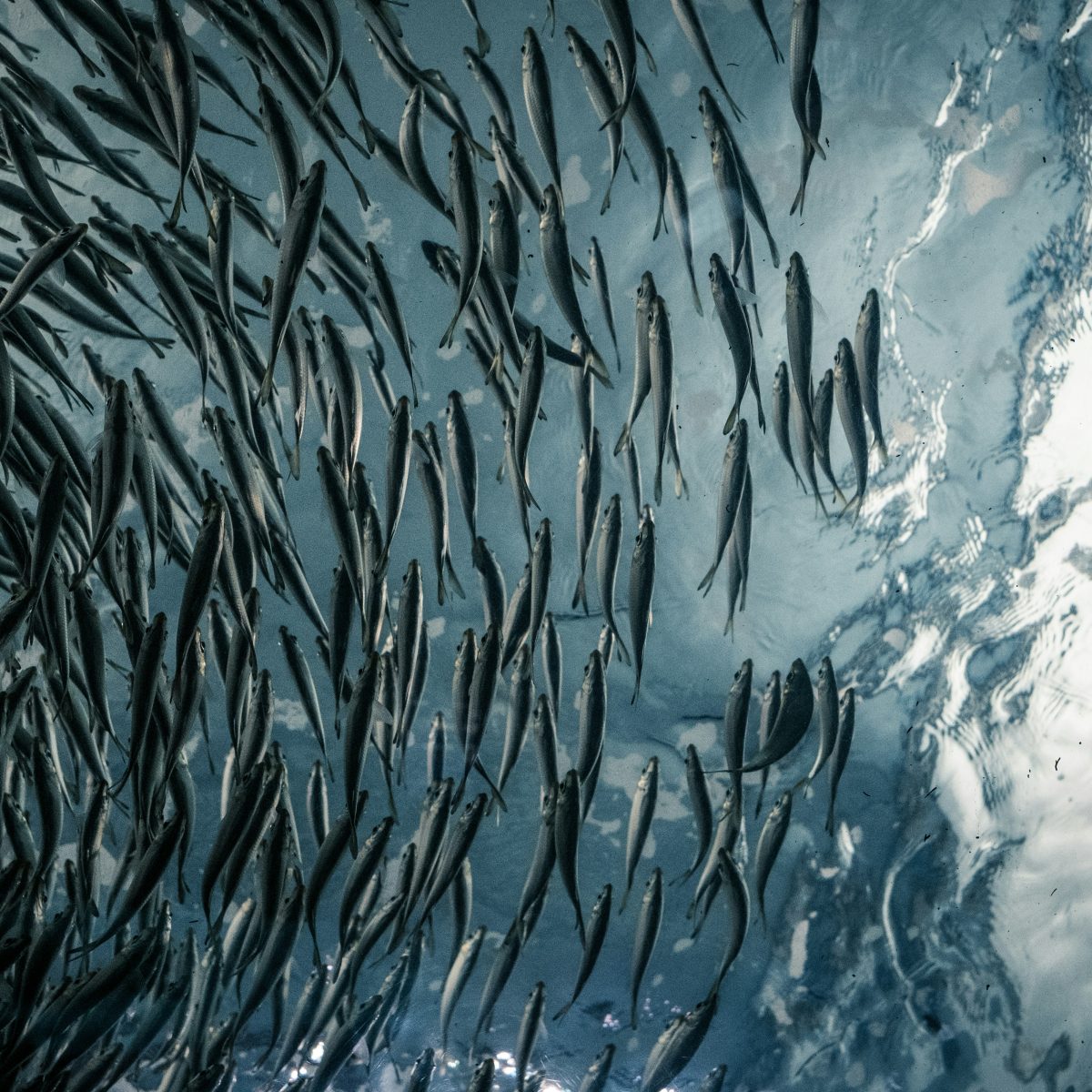
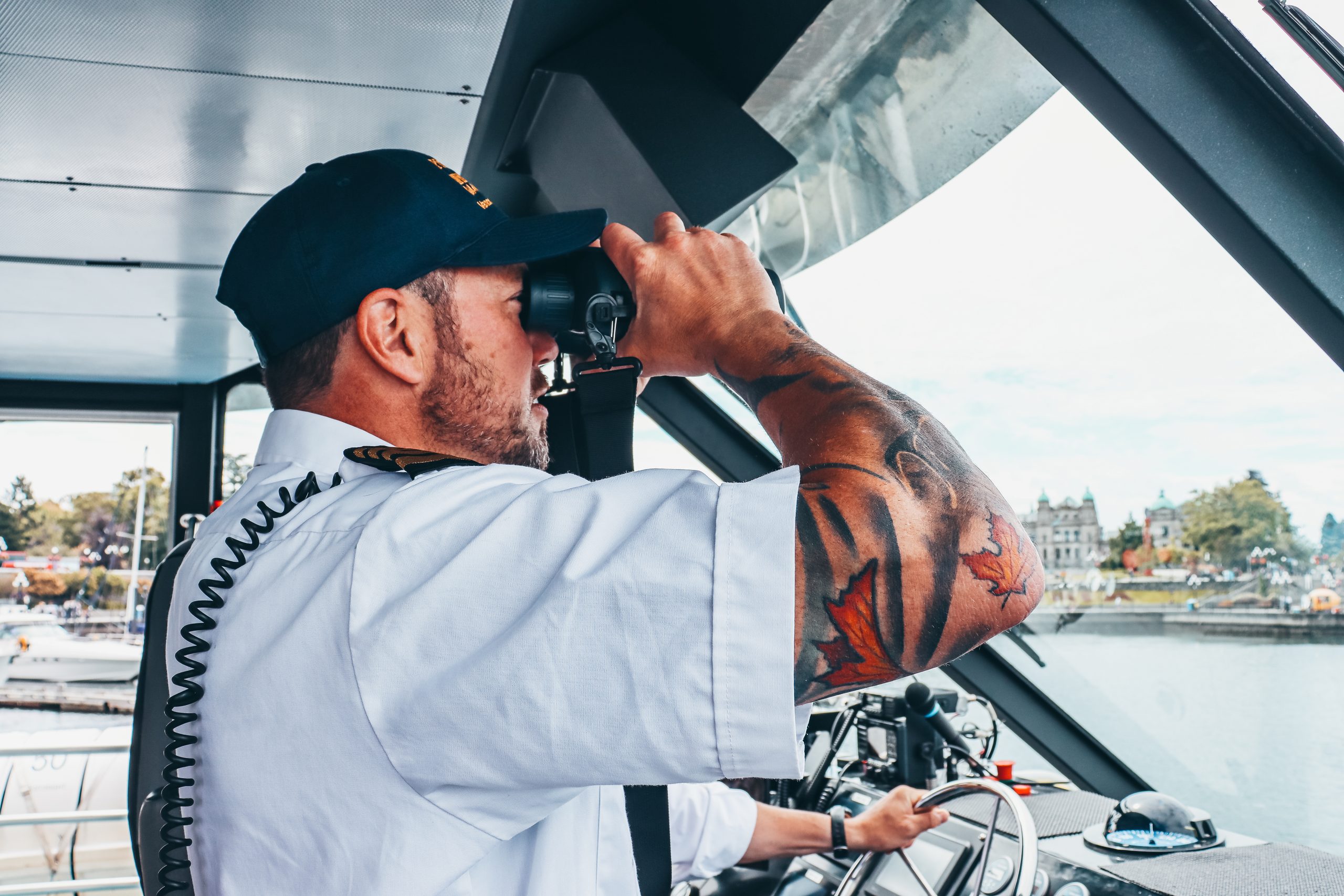
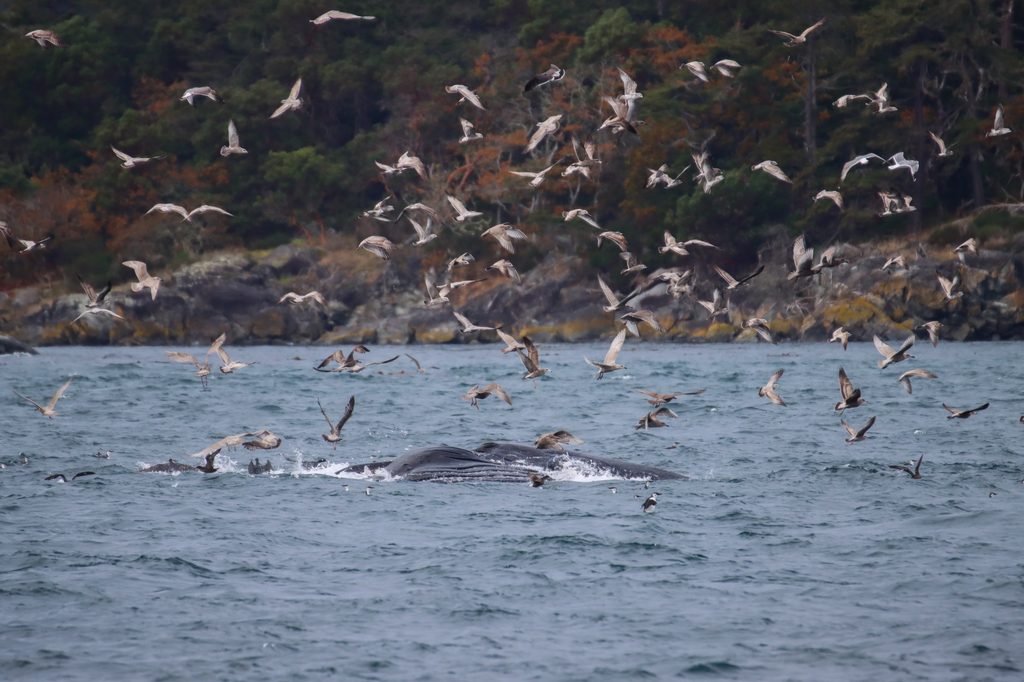
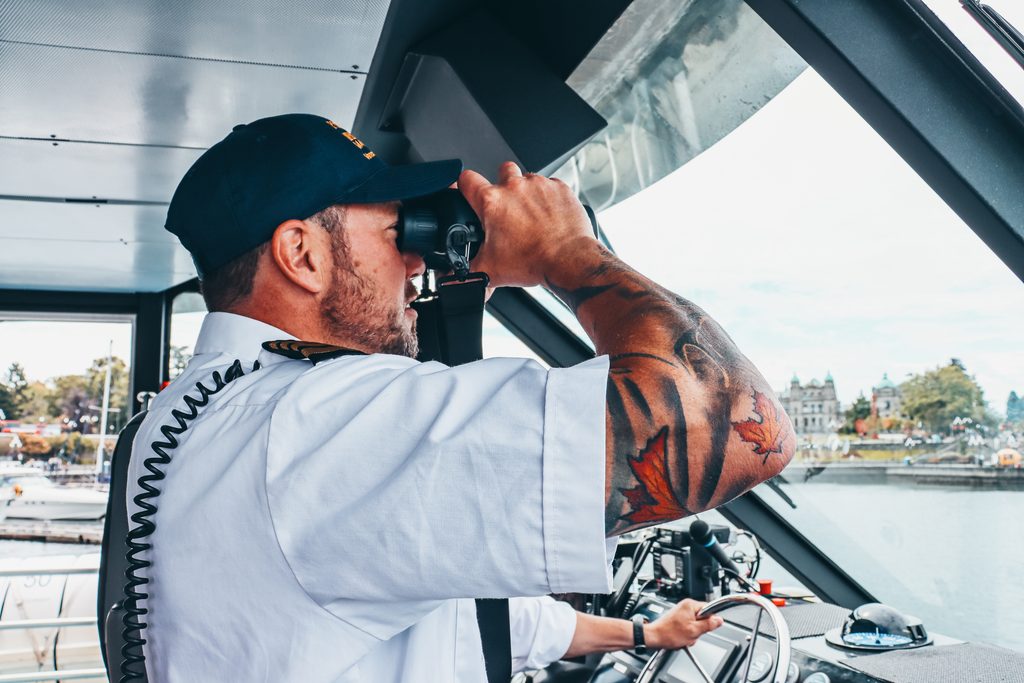
Binoculars help crews examine distant areas of the ocean and distinguish potential wildlife sightings from waves, reflections, and other activity on the water. Seabirds can also provide useful clues. When birds gather, dive repeatedly, or feed actively in one area, they may be taking advantage of fish near the surface. Humpback whales sometimes feed in these same areas, so unusual bird activity can be worth investigating.
Of course, birds do not always indicate the presence of whales. They are one more piece of information that helps crews decide where to look.
A Combination of Science, Skill, and Patience
Finding whales is rarely about relying on a single clue. It involves combining recent sighting reports, knowledge of local waters, careful observation, and the experience to interpret what is happening at sea.
Even with all these techniques, whales remain wild animals moving through an enormous natural environment. Every trip is different, and that unpredictability is part of what makes whale watching such a memorable experience!